Downsizing is one of the biggest financial moves a Northern Virginia homeowner will ever make, and it rarely comes down to square footage alone. Most of the people I work with are sitting on twenty or thirty years of equity in a Fairfax or Loudoun colonial, and the question isn’t really “can we sell?” — it’s “what does the next chapter actually cost, and where do we go?” Here’s how to think it through before you list.
Why Downsizing Works Differently Here
In many parts of the country, downsizing means trading a big house for a cheap one and pocketing the difference. Northern Virginia doesn’t work that way. Our smaller homes — main-level primary suites, well-located townhomes, newer condos near Metro — are in short supply and often priced within striking distance of the four-bedroom house you’re leaving.
That doesn’t mean downsizing is a bad idea. It means the win usually comes from three places rather than one: lower carrying costs, less maintenance, and freeing equity that’s currently locked in a house you no longer use fully. Homeowners who go in expecting a huge cash windfall are sometimes disappointed. Homeowners who go in wanting a simpler, more livable home almost never are.
Start With Your Real Net Number
Before you look at a single listing, get an honest picture of what your current home would sell for and what you’d actually walk away with. A quick online estimate isn’t enough — automated valuations struggle with the huge variation in Northern Virginia lots, updates, and school pyramids. A local home value assessment will get you much closer.
Then subtract the real costs of moving on:
- Seller closing costs — agent compensation, Virginia grantor’s tax, settlement fees, and prorated property taxes
- Pre-sale preparation — paint, carpet, landscaping, and any deferred maintenance a buyer’s inspector will find
- Capital gains exposure — the federal exclusion is $250,000 for a single filer and $500,000 for a married couple filing jointly, and long-held Northern Virginia homes can exceed it
- Moving and downsizing labor — estate sales, junk removal, and storage add up faster than most people expect
- The new home’s carrying costs — condo and HOA fees in Arlington and Reston can run several hundred dollars a month and change the math significantly
Where Northern Virginia Downsizers Actually Land
The most common mistake I see is assuming you have to leave the area to find something manageable. You usually don’t — you just have to look at housing types you’ve never shopped for before.
Stay close, change the house
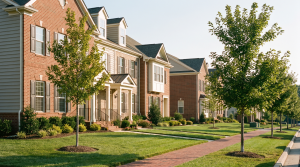
Townhomes and villa-style homes in Vienna, Reston, and Fairfax City let people keep their doctors, their congregation, and their grandchildren nearby while cutting yard work to nearly nothing. Look specifically for a main-level primary bedroom — it is the single feature that determines whether a home still works for you at 75, not just at 62.
Trade space for walkability
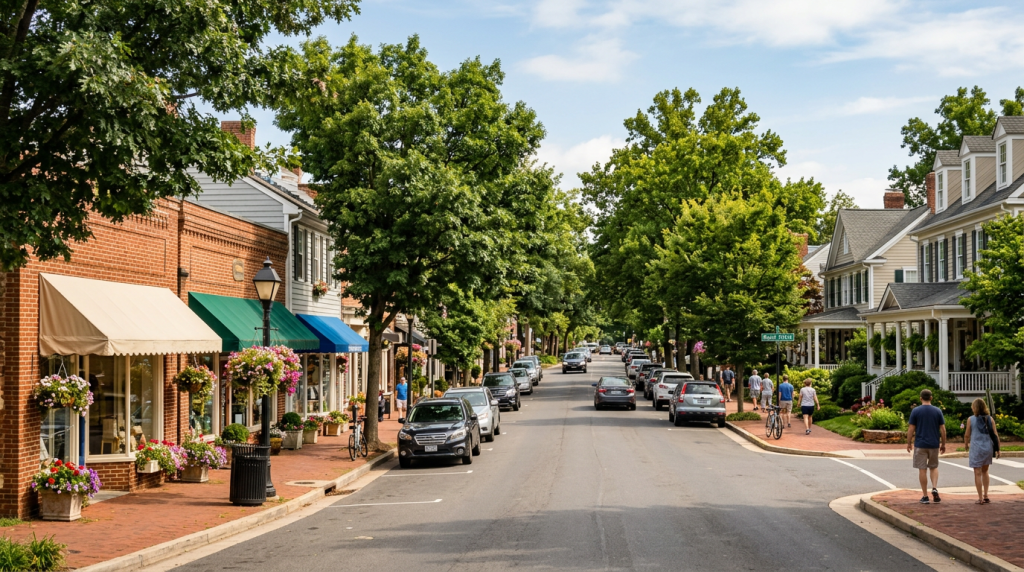
Condos in Reston Town Center, the Mosaic District, Ballston, and along the Silver Line corridor appeal to people who would rather walk to dinner than drive. Read the condo documents carefully: reserve funding and special assessment history matter far more than the lobby finishes.
Go newer in Loudoun
Ashburn, Brambleton, and Leesburg offer active-adult and low-maintenance communities with newer systems and single-level living, generally at a lower price per square foot than inside the Beltway. The tradeoff is a longer drive back toward Fairfax and Arlington.
Should You Sell First or Buy First?
This is the question that stalls more downsizing plans than anything else. In our market, most sellers are better off selling first and negotiating a post-settlement occupancy — commonly called a rent-back — that lets you stay in the home for anywhere from a few days to about sixty days after closing while you finalize the next purchase.
Selling first gives you a known number, removes the need for bridge financing, and makes your offer on the next home dramatically stronger. If you truly cannot move twice, a few other paths exist: a home sale contingency (weak in competitive situations), a bridge loan, or renting for a season while you shop. I walk through the tradeoffs in detail with every client on the seller side, because the right answer depends on your cash position, not on a general rule.
Which Pre-Sale Improvements Are Worth It
Buyers in Fairfax and Loudoun forgive dated cosmetics far less than they used to, but that does not mean you should renovate on your way out the door. Focus on the items that photograph well and remove buyer objections: fresh neutral paint, refinished or replaced flooring, updated light fixtures, cleaned-up landscaping, and repairs to anything actively leaking or failing.
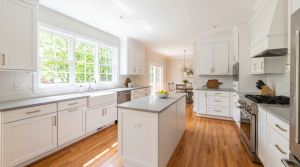
Kitchens and baths are the exception worth discussing. If yours are original to a 1980s or 1990s build, a targeted update can meaningfully change your list price and days on market. I partner with EA Home Design on these projects so sellers get a realistic cost-versus-return conversation before committing — and sometimes the honest answer is to price the home as-is and let the buyer renovate to their own taste.
Frequently Asked Questions
Is it cheaper to downsize in Northern Virginia or just stay put?
It depends on your maintenance burden and property tax bill. If you are carrying a paid-off house in Fairfax County with a large annual tax bill, aging systems, and rooms you never enter, downsizing usually improves cash flow. If your home is already low-maintenance and comfortable, staying often wins.
Will I owe capital gains tax when I sell my longtime Northern Virginia home?
You may. The IRS exclusion is $250,000 of gain for single filers and $500,000 for married couples filing jointly, provided you lived in the home two of the last five years. Homes bought in Vienna, McLean, or Arlington decades ago can exceed that, so review your cost basis and capital improvement records with a CPA before listing.
How long does it take to sell a home in Fairfax or Loudoun County?
Well-prepared, correctly priced homes in desirable school pyramids typically go under contract within one to three weeks across most of Fairfax and Loudoun. Homes that are overpriced or show poorly can sit for two months or longer, which is why preparation and pricing matter more than trying to time the market.
Can I stay in my house after settlement while I find my next home?
Often, yes. A post-settlement occupancy agreement of up to about sixty days is common in Northern Virginia and is negotiated as part of the contract. It is one of the most useful tools available to downsizers because it removes the pressure to close on both homes in the same week.
Should I renovate my kitchen before selling or sell it as-is?
For most Fairfax and Loudoun sellers with a dated but functional kitchen, a light refresh beats a full remodel. Paint, hardware, counters, and lighting deliver a better return than gutting the space. A full remodel only makes sense when the kitchen layout is actively hurting the home’s appeal in its price bracket.
Let’s Talk Through Your Numbers
Downsizing well is mostly a sequencing problem, and it is much easier to solve with someone who sells in Fairfax, Loudoun, and Arlington every week. I am happy to walk through your home’s current value, your likely net proceeds, and what your next home realistically costs — with no pressure and no obligation to list.
Book a free consultation or call me directly at (571) 429-7477. You can also email ellie@ellieasemani.com and we will find a time that works.