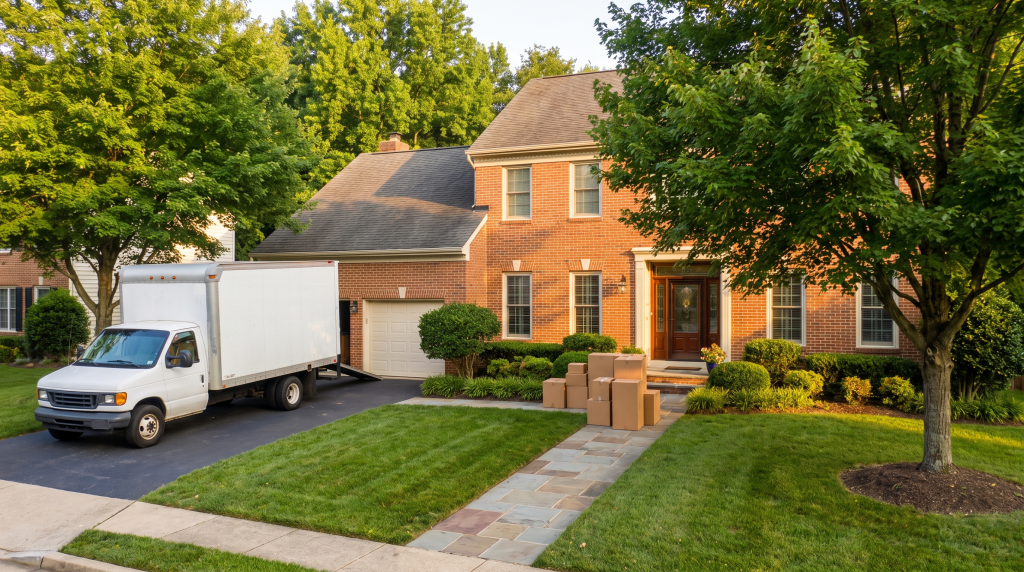
Most of my Fairfax, Loudoun, and Arlington clients aren’t first-time buyers. They already own a home, they’ve outgrown it or want to move closer to work, and they need to sell one house and buy another without a gap in between. That’s the hardest transaction in real estate, and it’s also the most common one in Northern Virginia.
The good news is that it’s very doable when you plan the sequence early. Here’s how the moving parts actually fit together in our market, and where people get into trouble.
Start With Your Equity, Not Your Wish List
Before we look at a single listing, we figure out three numbers: what your current home is likely to sell for, what you owe, and what you’ll clear after commissions, transfer taxes, and any repairs. In Northern Virginia, closing costs on the sale side typically run 7-8 percent of the sale price once you include the Virginia grantor’s tax and settlement fees.
That net number drives everything else. It tells you your down payment, and your lender needs it to tell you whether you qualify carrying both mortgages temporarily or only after your sale closes. Get a realistic starting figure with a home value estimate, then have your lender run both scenarios before you shop.
The Three Ways to Sequence It
There is no universally right answer here. It depends on your equity, your income, and your tolerance for moving twice.
- Sell first, then buy. The strongest financial position. You know your exact proceeds, you’re not carrying two payments, and your offer has no home-sale contingency, which sellers love. The tradeoff is you may need temporary housing.
- Buy first, then sell. Easiest on your family and lets you move once. Requires qualifying for both loans or using a bridge product. Best for people with strong income and real equity.
- Try to close both on the same day. Possible, and I coordinate these regularly, but it means both settlement companies, both lenders, and both other parties have to hit the same date. Build in a backup plan.
Rent-Backs Are Your Best Friend in This Market
A post-settlement occupancy agreement, what most people call a rent-back, lets you sell your home and stay in it for a set number of days after closing. In Fairfax and Loudoun, 30 to 60 day rent-backs are common and many buyers will agree to one, especially if they’re coming from a lease with some flexibility.
This is often the cleanest solution to the whole puzzle. You sell first, you have your cash in hand, you write a strong non-contingent offer on your next home, and you don’t have to move into a rental in between. When we structure your listing, we make the rent-back part of the negotiation from day one instead of an awkward request at the end.
What a Home Sale Contingency Really Costs You
A home sale contingency says your purchase depends on your current home selling. It protects you, but in a market where well-priced Ashburn and Vienna homes still see competing offers, it makes your offer noticeably weaker. If a seller has two similar offers and one is contingent on a house in Herndon that isn’t even listed yet, you know which one wins.
If you need the contingency, you can strengthen it: have your home already under contract with inspections released, shorten the contingency window, or offer terms elsewhere in the contract. What you should not do is make a contingent offer on a home you haven’t prepared your own house to compete with.
Bridge Loans, HELOCs, and Cash Offer Programs
If buying first is the right call, talk to your lender about three options. A bridge loan uses your current home’s equity to fund the new down payment and gets paid off at your sale. A HELOC opened before you list can do something similar at lower cost, but most lenders won’t approve one once your home is on the market, so open it early. Some brokerages also offer cash-offer or buy-before-you-sell programs that convert you into a cash buyer for a fee.
Each carries real costs. I’ll walk you through the actual dollar comparison for your situation rather than pushing you toward the most convenient one.
Prep the Sale Before You Shop
The single biggest mistake I see is falling in love with a house in Ashburn before doing anything to the home you’re leaving. Paint, decluttering, carpet, and small repairs take weeks to schedule. If your home isn’t photo-ready when the right listing appears, you lose leverage on both sides of the deal.
Get the pre-listing work done, have your photos scheduled, and know your list price. Then start touring. If updates are involved, our partnership with EA Home Design lets us get you a realistic scope and timeline before you commit to anything. Our seller services and buyer services pages walk through both sides in more detail.
Frequently Asked Questions
Can I make an offer in Northern Virginia before my current home is listed?
You can, but expect it to be a weak offer unless you’re waiving the home sale contingency. Most Fairfax and Loudoun sellers will choose a comparable non-contingent offer instead, so it’s worth getting your home under contract first.
How long is a typical rent-back in Fairfax or Loudoun County?
Thirty to sixty days is standard, and I’ve negotiated longer when the buyer had flexibility. The buyer’s lender usually caps occupancy at 60 days for the property to still qualify as owner-occupied, so plan around that limit.
What happens if my sale closes but my purchase falls through?
You’d need short-term housing, which is why we build a backup plan into the timeline before you sign anything. Options include a longer rent-back, a month-to-month rental, or staying with family for a few weeks while we find the right home.
Is a bridge loan worth it in Northern Virginia?
It depends on your equity and how competitive your target neighborhood is. In areas where good homes go under contract in under two weeks, the ability to write a non-contingent offer can be worth more than the loan costs, but we run the numbers before deciding.
Should I sell first or buy first in the current market?
For most Northern Virginia move-up buyers, selling first with a rent-back is the lowest-risk path because it gives you certainty on your proceeds and buying power. Buying first makes sense when you have substantial equity, strong income, and a very specific target home.
Let’s Map Out Your Timeline
Every one of these decisions gets easier once we put your actual numbers and dates on paper. I’ve walked dozens of Northern Virginia families through both sides of this transaction, and the ones who plan the sequence early almost always end up with a better outcome on both the sale and the purchase.
Book a free, no-pressure consultation at ellieasemani.com/booking or call me directly at (571) 429-7477. We’ll look at your equity, your options, and build a timeline that works for your family.