Most people who move to Northern Virginia arrive with a job offer, a start date, and about six weekends to figure out where they actually want to live. It’s a lot of pressure, and the region doesn’t make it simple — three counties, dozens of distinct communities, and price differences that can swing $400,000 between neighborhoods that look similar on a map.
After helping families relocate here from across the country, I’ve found the decision usually comes down to four honest questions. Answer those first, and the map narrows quickly.
Start With the Commute You Can Actually Live With
Northern Virginia commutes are not measured in miles. They’re measured in what time you leave. A 14-mile drive from Fairfax to Tysons can be 20 minutes at 6:30 a.m. and 55 minutes at 8:15 a.m.
Before you fall for a house, drive the commute at the hour you’d really be driving it. Then decide which trade-off you prefer:
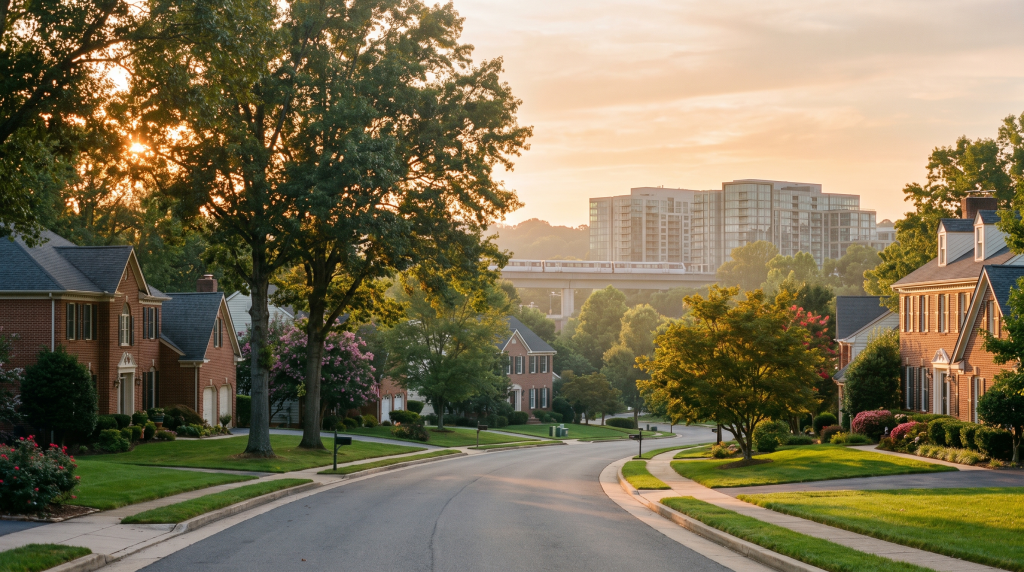
- Metro-first: Arlington, Alexandria, Reston, Herndon, and Ashburn all sit on rail. You pay more per square foot but buy back predictability.
- Highway-first: Communities off Route 7, I-66, and the Fairfax County Parkway give you more house, but your day is at the mercy of traffic.
- Hybrid schedule: If you’re in the office two or three days a week, the math changes completely — a longer commute you make twice is very different from one you make daily.
Understand What Each Area Is Really Known For
The shorthand versions are useful when you’re narrowing from twenty options to three.
Loudoun County
Newer construction, larger lots in the western half, and highly regarded schools. Ashburn and Brambleton draw tech and government-contract families who want a Silver Line stop and a house built in the last twenty years. Leesburg offers a genuine historic downtown for buyers who don’t want a planned community feel.
Fairfax County
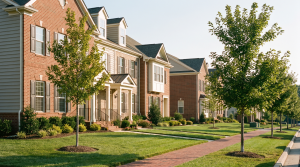
The region’s center of gravity. Vienna, McLean, Oakton, and Fairfax City give you established neighborhoods, mature trees, and the shortest trips to Tysons and D.C. Housing stock skews older, which means renovation is often part of the plan.
Arlington and Alexandria
Walkable, urban, and the strongest choice if you work in the District or the Pentagon area. Expect smaller homes and higher price per square foot, offset by the fact that many households here genuinely operate with one car or none.
Get Clear on the True Monthly Cost
Relocating buyers frequently anchor on purchase price and get surprised by the rest. Northern Virginia real estate taxes vary by county and town, HOA and condo fees range from modest to significant, and a 1990s home may need a roof or HVAC in your first three years.
Build your budget around the full monthly number: principal, interest, taxes, insurance, HOA, and a realistic maintenance reserve. That figure — not the list price — determines which neighborhoods are genuinely comfortable for you. If you’re weighing whether to buy immediately or rent for a year while you learn the area, that’s a legitimate strategy, and our rental resources can help you bridge the gap.
Decide Whether You’re Buying Move-In Ready or Buying Potential
In established Fairfax and Arlington neighborhoods, the best locations often come attached to dated kitchens and baths. That’s frequently an opportunity rather than a problem. Buying a well-located home at a discount and renovating on your own timeline can put you in a better neighborhood than a turnkey purchase would.
Because I work alongside the team at EA Home Design, I can walk a property with you and give a realistic sense of what a kitchen or primary bath update would cost and what it would return — before you write the offer, not after. For buyers relocating from lower-cost markets, this is often the difference between settling and getting the location they actually wanted.
Build Your Team Before You Land
The buyers who have the smoothest relocations do three things early: get fully underwritten with a lender who knows Virginia contracts, tour virtually to eliminate areas before they fly in, and reserve their in-person time for finalists only. Our buyer resources and relocation guide walk through the full sequence.
Frequently Asked Questions
Should I rent for a year before buying in Northern Virginia?
If you’re unsure about your commute, your job’s long-term location, or which county fits your family, renting for 12 months is a reasonable choice. If you’re confident about the area and plan to stay five or more years, buying sooner usually makes more financial sense given how tight local inventory tends to be.
Which Northern Virginia county has the best schools?
Fairfax and Loudoun both have nationally recognized school systems, and Arlington performs strongly as well. The more useful question is which specific school your address is assigned to, since boundaries vary considerably within each county. Always verify assignment with the county school system before you make an offer.
How much do I need for a down payment in Northern Virginia?
Conventional loans start at 3-5% down, VA loans allow 0% for eligible service members and veterans, and FHA requires 3.5%. With median prices well above the national average across Fairfax, Loudoun, and Arlington, plan for closing costs of roughly 2-3% of the purchase price on top of your down payment.
How far in advance should I start house hunting if I’m relocating?
Begin 60 to 90 days before your target move date. That gives time for loan pre-underwriting, virtual tours, one focused in-person trip, and a 30-to-45-day settlement without rushing your decision.
Can I buy a home in Northern Virginia before my job officially starts?
Often, yes. Many lenders will qualify you using a signed offer letter, typically requiring that your start date falls within 60 to 90 days of closing. Bring your offer letter to your lender conversation early so you know exactly what documentation applies to your situation.
Let’s Narrow It Down Together
Choosing where to live in Northern Virginia is far easier with someone who knows the block-by-block differences and can tell you honestly when a neighborhood isn’t the right fit. I’d love to hear about your timeline, your commute, and what you want out of this move.
Book a free consultation or call me directly at (571) 429-7477. If you’re also weighing whether to sell a property elsewhere, my home value tool is a good starting point.