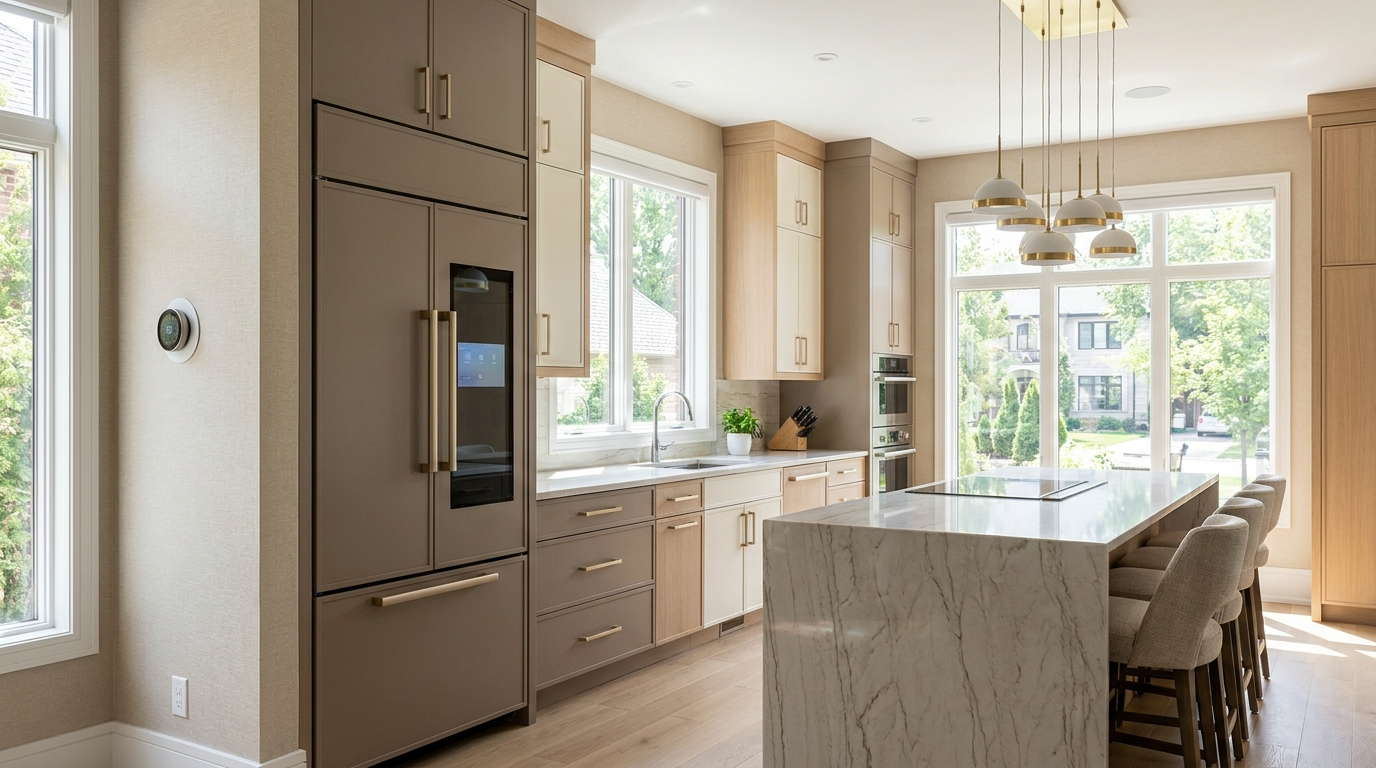
Smart appliances reduce energy costs by using sensors, scheduling, and real-time data to run only when needed and at the most efficient settings. In most Northern Virginia homes, a thoughtful mix of a smart thermostat, smart water heater controls, and ENERGY STAR connected appliances can trim 10 to 25 percent off monthly energy bills. As a local agent, I also see these upgrades quietly raise a home’s appeal when it is time to sell.
Let me walk you through what truly moves the needle, and what is mostly marketing.
How do smart appliances actually lower energy bills?
The savings come from precision. Traditional appliances run on simple on-off logic, while smart devices adjust to your real habits and to the price of energy throughout the day. A smart thermostat learns when your family is home and eases off when the house is empty. A connected washer or dryer can delay a cycle until overnight off-peak hours.
Over a year, those small adjustments add up. The appliance is not just doing the same job faster, it is doing it only when it makes sense, and that is where the dollars are saved.
Which smart upgrades give the best return?
After helping families across Fairfax, Loudoun, and Ashburn improve their homes, here are the upgrades I see deliver the most reliable payback:
- Smart thermostats: The single biggest win in our climate, where heating and cooling dominate the bill. Look for learning models with room sensors.
- Smart water heaters or heat-pump water heaters: They heat on a schedule and can pre-heat before peak demand.
- ENERGY STAR connected refrigerators: They monitor door usage and defrost cycles to avoid wasted cooling.
- Smart plugs and power strips: An inexpensive way to cut phantom loads from electronics that draw power even when off.
- Smart lighting: LED bulbs with motion and daylight sensors that dim or shut off automatically.
Are smart appliances worth it in Northern Virginia specifically?
Yes, and our four distinct seasons are the reason. We run heat through cold winters and air conditioning through humid summers, so HVAC efficiency matters more here than in milder regions. A smart thermostat alone often pays for itself within a year or two in Loudoun and Fairfax homes.
Dominion Energy and many local utilities also offer rebates and demand-response programs that reward smart devices for shifting usage away from peak hours. That is essentially the utility paying you to be efficient.
Do energy upgrades add value when I sell?
They can. Today’s buyers, especially younger ones moving into Ashburn and Arlington, actively look for energy-efficient features and lower operating costs. A documented history of reduced utility bills is a genuine selling point.
When I prepare a home for the market, I highlight smart and efficient features in the listing because they signal a well-maintained, modern home. If you are curious how your upgrades translate into market value, you can start with my free home valuation tool, and I am always happy to advise sellers on which improvements are worth doing before listing.
What should I prioritize on a budget?
You do not need to convert the whole house at once. Start with the largest energy users and work down:
- Install a smart thermostat first.
- Add smart plugs and LED lighting next, since they are low cost and quick.
- Replace aging appliances with ENERGY STAR connected models only when they are due for replacement anyway.
Buying a brand-new appliance purely to save energy rarely pays off before the device wears out, so timing your upgrades with natural replacement is the smart financial move.
A few practical tips before you buy
Confirm the appliance works with the smart home system you already use, check for the ENERGY STAR label, and look up current utility rebates before you purchase. If you are buying or relocating to the area, factor these features into your search, since a home that is already efficient saves you the cost and hassle of retrofitting.
Whether you are buying a home with modern systems already in place or relocating to Northern Virginia and starting fresh, I can help you weigh comfort, efficiency, and resale value together.
Ready to make a smart move with your home? Book a free, no-pressure consultation through my online booking page or call me directly at (571) 429-7477. I would love to help you make confident, value-building decisions.
