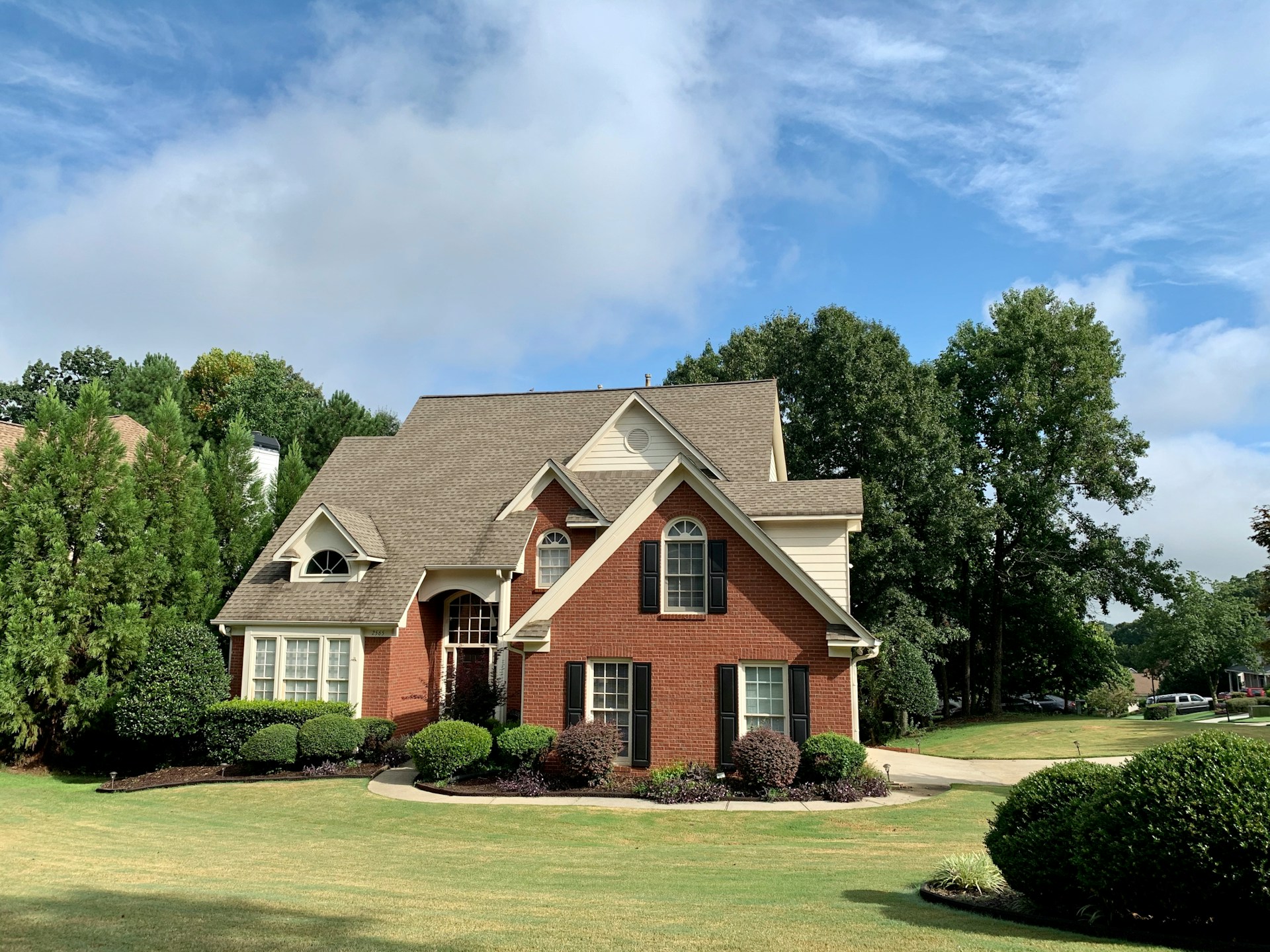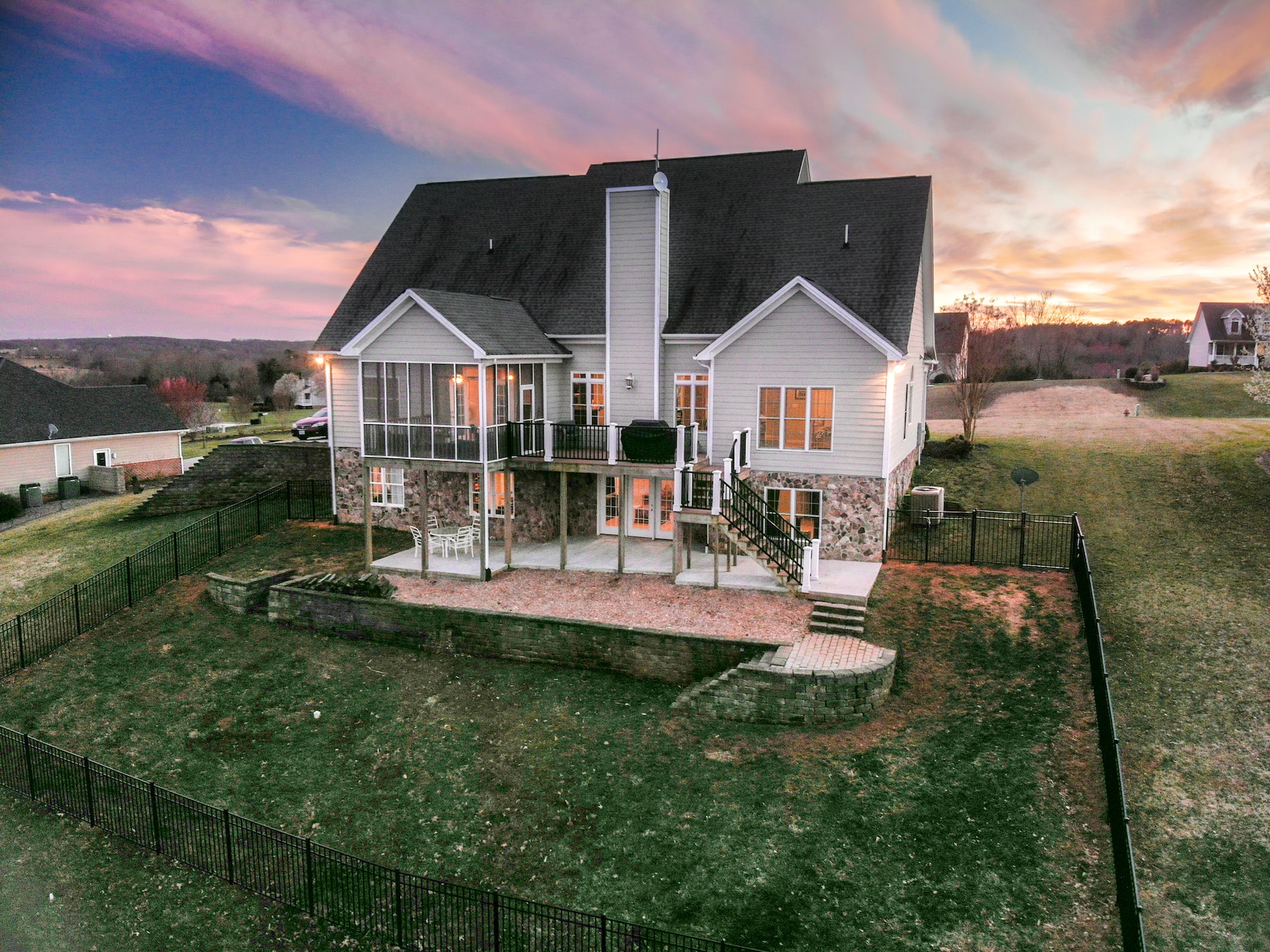
Top Neighborhoods for Homebuyers in Northern Virginia

As a vibrant, prosperous, and diverse region, Northern Virginia consistently attracts individuals and families seeking a high quality of life, abundant recreational opportunities, and flourishing job markets. With its plethora of neighborhoods, each offering unique characteristics and advantages, navigating the Northern Virginia real estate market as a prospective homebuyer can be an overwhelming and complex process. Understanding the features and attractions of each neighborhood is crucial to making an informed decision about where to settle down. With the expert guidance of an experienced real estate agent like Ellie Asemani by your side, finding your ideal Northern Virginia home becomes an achievable goal.

In this guide, we delve into the top neighborhoods in Northern Virginia for homebuyers, exploring each area’s housing inventory, lifestyle offerings, transportation options, and school districts. By providing a detailed analysis of these neighborhoods, this guide aims to equip prospective homebuyers with the knowledge needed to make the best decision for their unique lifestyle and financial goals. Moreover, we emphasize the value of partnering with an experienced Northern Virginia real estate professional like Ellie Asemani, who can streamline the home-buying process, negotiate favorable deals, and help you find the perfect property in your ideal neighborhood.

Trust Ellie Asemani’s market expertise, personalized approach, and unwavering commitment to client success as your go-to source for identifying and securing the perfect Northern Virginia home in the right neighborhood to suit your unique preferences.

1. Arlington: Urban Living Meets Historic Charm

Arlington offers an ideal blend of lively urban living and historic charm, making it a top choice for homebuyers seeking a dynamic, amenity-rich environment:

  • Diverse housing inventory: Arlington boasts a mix of single-family homes, townhouses, and condos to suit various budgets and preferences.
  • Convenient location: With easy access to Washington, D.C., and major highways, Arlington delivers unbeatable commute options for its residents.
  • Vibrant nightlife and dining scene: Home to an abundance of diverse restaurants, trendy bars, and entertainment venues, Arlington provides a lively atmosphere for those who love to explore and socialize.
  • Highly rated schools: Arlington features some of Northern Virginia’s top-rated schools, further enhancing its appeal for families.

2. McLean: Luxury Living and Top-Tier Education

Positioned along the scenic Potomac River, McLean is known for its luxurious homes, prestigious educational offerings, and picturesque landscape:

  • High-end real estate: McLean is well-known for its upscale communities, featuring an array of luxurious homes and estates.
  • Premier education institutions: Home to the esteemed Langley High School and the elite private institutions of The Potomac School and The Madeira School, McLean boasts world-class educational opportunities.
  • Outdoor recreation: McLean offers a peaceful, natural setting with numerous parks, trails, and river access points for outdoor enthusiasts.
  • Proximity to Tysons Corner: The nearby Tysons Corner area provides ample shopping, dining, and entertainment options.

3. Reston: A Master-Planned, Lakeside Community

As a thoughtfully planned community with picturesque lakes and convenient access to the Dulles Tech Corridor, Reston provides an attractive blend of urban and suburban living:

  • Master-planned community: Conceived by urban planner Robert E. Simon, Reston features multiple community clusters that combine housing, shopping, and recreation, fostering an interconnected and pedestrian-friendly environment.
  • Lakeside living: Reston is home to four beautiful lakes offering recreational activities such as fishing, kayaking, and walking trails for its residents.
  • Dulles Tech Corridor access: Reston’s location makes it a popular choice for professionals working within the Dulles Tech Corridor, one of Northern Virginia’s growing technology and business hubs.
  • Community amenities: Residents enjoy access to community pools, golf courses, and parks within the sprawling Reston Association.

4. Alexandria: Historic Architecture Meets Modern Convenience

With its well-preserved colonial architecture, thriving arts scene, and convenient access to Washington, D.C., Alexandria offers a unique and appealing living experience:

  • Old Town charm: Preserved cobblestone streets, historic townhomes, and a vibrant waterfront area make Old Town Alexandria a highly desirable neighborhood for homebuyers.
  • Arts and culture: Alexandria is known for its thriving arts scene, with numerous galleries, studios, and live theatres that cater to a diverse range of artistic pursuits.
  • Convenience and connectivity: Residents enjoy easy access to Washington, D.C., major highways, and multiple public transit options, making Alexandria an excellent choice for commuters.
  • Housing variety: From historic townhomes and row houses to modern condominiums, Alexandria offers a wide range of housing options to suit different tastes and budgets.

5. Fairfax: Family-Friendly Living with Proximity to D.C.

For families seeking a safe and welcoming community with access to top-rated schools and proximity to Washington, D.C., Fairfax is an excellent choice:

  • Top-rated schools: Fairfax County Public Schools is one of the largest and most respected school systems in the country, boasting a 91.5% graduation rate and numerous nationally recognized programs.
  • Family-friendly amenities: Fairfax offers a plethora of parks, playgrounds, and recreational facilities for families to enjoy, including the popular Burke Lake Park and the Fairfax County Government Center.
  • Convenient location: Fairfax is located near major highways and has access to several public transit options, including the Orange Line Metro, making commuting to D.C. a breeze.
  • Housing affordability: Fairfax offers a range of housing options at various price points, from single-family homes to townhouses and condos, making it accessible to a diverse range of homebuyers.

Conclusion

With its diverse neighborhoods, thriving economy, and exceptional quality of life, Northern Virginia is an attractive destination for homebuyers seeking the perfect blend of urban and suburban living. Identifying the right neighborhood that aligns with your lifestyle preferences and financial goals, however, may prove to be a complex and time-consuming process without expert guidance.

By partnering with Ellie Asemani, an experienced buyer’s agent, prospective homebuyers can confidently navigate the Northern Virginia real estate market and select the ideal neighborhood for their needs. Leveraging Ellie’s extensive market expertise, personalized approach, and unwavering commitment to client success, homebuyers can trust her guidance as they uncover the perfect Northern Virginia neighborhood to call home.

Navigating Your Mortgage: Essential Tips for Real Estate Success”

Getting the right mortgage comes down to three things: preparing your finances before you apply, shopping more than one lender, and matching the loan type to how long you’ll actually keep the home. Do those three well, and you can save tens of thousands of dollars over the life of a Northern Virginia home loan — often more than any negotiation on the price itself.

I’m Ellie Asemani, a real estate agent serving Ashburn, Fairfax, Loudoun, Arlington, and Alexandria. I’m not a lender, but I sit beside buyers through financing every week. Here are the mortgage lessons I share with every client.

What Should I Do Before I Even Apply?

Lenders price your loan on your credit score, debt-to-income ratio, and down payment. Months before you shop for homes:

  • Pull your credit reports and dispute any errors.
  • Pay down credit card balances — utilization moves scores quickly.
  • Avoid new car loans, financing furniture, or opening credit cards.
  • Gather two years of tax returns, recent pay stubs, and bank statements.

A stronger file doesn’t just improve approval odds; it lowers your rate, and even a quarter point matters at Northern Virginia price levels.

Pre-Qualification vs. Pre-Approval: What’s the Difference?

Pre-qualification is an estimate based on what you tell a lender. Pre-approval means the lender has verified your income, assets, and credit. In competitive markets like Arlington and Ashburn, listing agents take pre-approved buyers seriously and often disregard offers without one. Get fully pre-approved before your first showing — it also tells you your true budget. My buyer services include connecting you with lenders my clients have consistently had good experiences with.

Which Loan Type Fits Your Situation?

  • Conventional — the workhorse; strong rates with good credit, and PMI drops off once you reach 20% equity.
  • FHA — friendlier to lower credit scores and smaller down payments, but mortgage insurance usually stays for the life of the loan.
  • VA — if you’re eligible through military service, often the best deal available: no down payment, no monthly mortgage insurance. With our region’s large military and defense community, I help VA buyers regularly.
  • Jumbo — for loans above the conforming limit, common in higher-priced Arlington and McLean purchases, with somewhat stricter qualification.

Should I Choose a Fixed or Adjustable Rate?

A 30-year fixed is the default for good reason: predictability. But if you’re confident you’ll move or refinance within five to seven years — common for military families and government contractors who relocate to and from Northern Virginia — an ARM’s lower initial rate can be a rational choice. The mistake is choosing an ARM just to stretch into a bigger house.

Why Shop Multiple Lenders?

Rates and fees vary meaningfully between lenders for the same borrower on the same day. Get quotes from at least three — a big bank, a local lender, and a credit union — within a short window (credit scoring treats clustered mortgage inquiries as one). Compare the full Loan Estimate, not just the rate: origination fees, points, and lender credits change the real cost.

What Mistakes Derail Buyers Between Contract and Closing?

Your loan is re-verified before settlement. Until the keys are in your hand: don’t change jobs, don’t finance a car or furniture, don’t open or close credit accounts, and don’t move large sums of money around without documentation. I’ve watched avoidable last-minute financing wobbles nearly sink solid deals — don’t let paperwork be the reason.

Frequently Asked Questions

How much down payment do I need in Northern Virginia?

Less than most people think. Conventional loans allow as little as 3–5% down, FHA 3.5%, and VA loans zero. Twenty percent avoids mortgage insurance but is not required to buy.

What credit score do I need for a mortgage?

Many lenders approve conventional loans from around 620, and FHA can go lower — but pricing improves substantially as scores rise into the 700s.

Should I pay points to lower my rate?

Only if you’ll keep the loan long enough to break even — divide the cost of the points by your monthly savings. If you may move or refinance within a few years, points rarely pay off.

How long does mortgage approval take?

Pre-approval can take a day or two; full underwriting after contract typically runs two to four weeks, which is why most Northern Virginia contracts set 30–45 day settlements.

Ready to buy with a clear financing game plan? Book a free consultation or call me at (571) 429-7477 — I’ll help you line up the right team from day one.

Essential Property Purchase Advice for Aspiring Homeowners

Navigating the Property Labyrinth: Top Buyer Questions in Real Estate Answered

A Comprehensive Guide to Downsizing Homes in Northern Virginia

Downsizing, or transitioning from a larger home to a smaller one, is an increasingly popular choice for homeowners seeking to simplify their lives, reduce housing costs, or adapt to changing family dynamics. In the competitive Northern Virginia real estate market, downsizing can be both a financial and lifestyle opportunity, facilitating lower housing costs and a more manageable living environment. However, the road to a successful downsizing journey includes various considerations and challenges, making it essential for homeowners to enlist the guidance of an experienced real estate professional like Ellie Asemani.

In this post, we will explore the key aspects of downsizing your home in Northern Virginia, providing practical tips on preparing for the transition, choosing the ideal smaller home that aligns with your lifestyle preferences, and successfully selling your current property. With expert guidance from an experienced Northern Virginia real estate agent like Ellie Asemani by your side, you can confidently navigate the complexities of downsizing while ensuring a smooth and rewarding experience.

Trust Ellie Asemani’s market expertise, personalized approach, and commitment to her clients as you embark on your journey to find the perfect downsized home tailored to your unique lifestyle and financial needs in the Northern Virginia real estate market.

1. Benefits of Downsizing Your Home

Downsizing your home has several advantages that appeal to homeowners seeking a fresh start or a more streamlined lifestyle:

  • Financial savings: Smaller homes typically come with lower mortgage payments, resulting in long-term savings and financial flexibility.
  • Reduced living expenses: Lower utility costs and property taxes can significantly contribute to a homeowner’s annual savings.
  • Simplified maintenance: A smaller home requires less time and effort for upkeep, allowing homeowners to focus on other pursuits or interests.
  • Lifestyle changes: Empty nesters, retirees, or those experiencing a change in family dynamics can benefit from the easier management and cozy feel of a smaller living space.

2. Preparing for the Transition

Before embarking on your downsizing journey, take the time to prepare to properly and thoughtfully approach each step:

  • Evaluate your belongings: Assess the items in your current home, determining what you can keep, discard, sell, or donate. Start this process early to avoid feeling overwhelmed as your move date approaches.
  • Measure your new space: Obtain accurate measurements of each room in your smaller home, ensuring that your furniture and possessions will fit comfortably.
  • Reassess your lifestyle: Consider how your daily life may change in your new space and use this insight to guide decisions on which items to keep, sell, or donate.
  • Adapt your daily routine: Downsizing presents an opportunity to refine your daily routine, declutter your schedule, and embrace a more simplified way of living.

3. Choosing the Right Smaller Home

Selecting the ideal smaller home requires careful consideration of your current and future lifestyle needs:

  • Location: Choose a neighborhood that aligns with your needs, including proximity to work, family, amenities, and recreational opportunities.
  • Home Layout: Consider how the layout of your new home will accommodate your lifestyle, evaluating factors such as storage, room sizes, and traffic flow.
  • Accessibility: If mobility is a concern, or you plan to age in place, look for homes with accessibility features such as single-level living, wider doorways, and grab bars in bathrooms.
  • Community amenities: Evaluate the communal facilities and resources available in your new neighborhood, ensuring they meet your lifestyle needs and preferences.

4. Selling Your Current Property

Successfully selling your current home is crucial to a smooth downsizing process:

  • Partner with an experienced Realtor: Partnering with a local real estate expert like Ellie Asemani guarantees invaluable guidance, effective marketing strategies, and negotiating skills that ensure a successful sale.
  • Establish a competitive listing price: Work with your Realtor to determine the best listing price for your current home, considering factors such as location, condition, and recent comparable sales.
  • Prepare your home for sale: Enhance the appeal of your home with staging techniques, decluttering, and touch-ups to make it more attractive to potential buyers.
  • Coordinate moving schedules: Plan your move carefully to avoid a gap between the sale of your current home and the purchase of your new property, coordinating with your Realtor and moving company.

Conclusion

Downsizing your home in Northern Virginia presents a unique opportunity to embrace a new stage in life while simplifying your living space and significantly reducing housing expenses. The journey to a smaller, more manageable home requires careful consideration of several factors, such as preparing for the transition, choosing the right smaller home, and successfully selling your current property. By enlisting the guidance and support of an experienced real estate professional like Ellie Asemani, you can confidently navigate the complexities of the Northern Virginia real estate market and ensure a smooth, rewarding downsizing experience.

Trust Ellie Asemani’s market expertise, personalized approach, and unwavering commitment to client success as you explore the possibility of downsizing your Northern Virginia home. With the Ashburn real estate agent’s expert guidance, you’ll find the perfect downsized property that meets your unique lifestyle needs and financial objectives in the thriving Northern Virginia real estate market.

The Future of Housing: Trends Reshaping Our Living Spaces

Real Estate Investing for Beginners: A Comprehensive Guide

Maximizing Your Home’s Value: Essential Tips for Sellers

Virtual Reality: Transforming the Real Estate Market

The 2024 Real Estate Market: Trends and Predictions