admin - Ellie Asemani - Real Estate Agent

Smart Appliances: Innovative Tech to Reduce Energy Costs

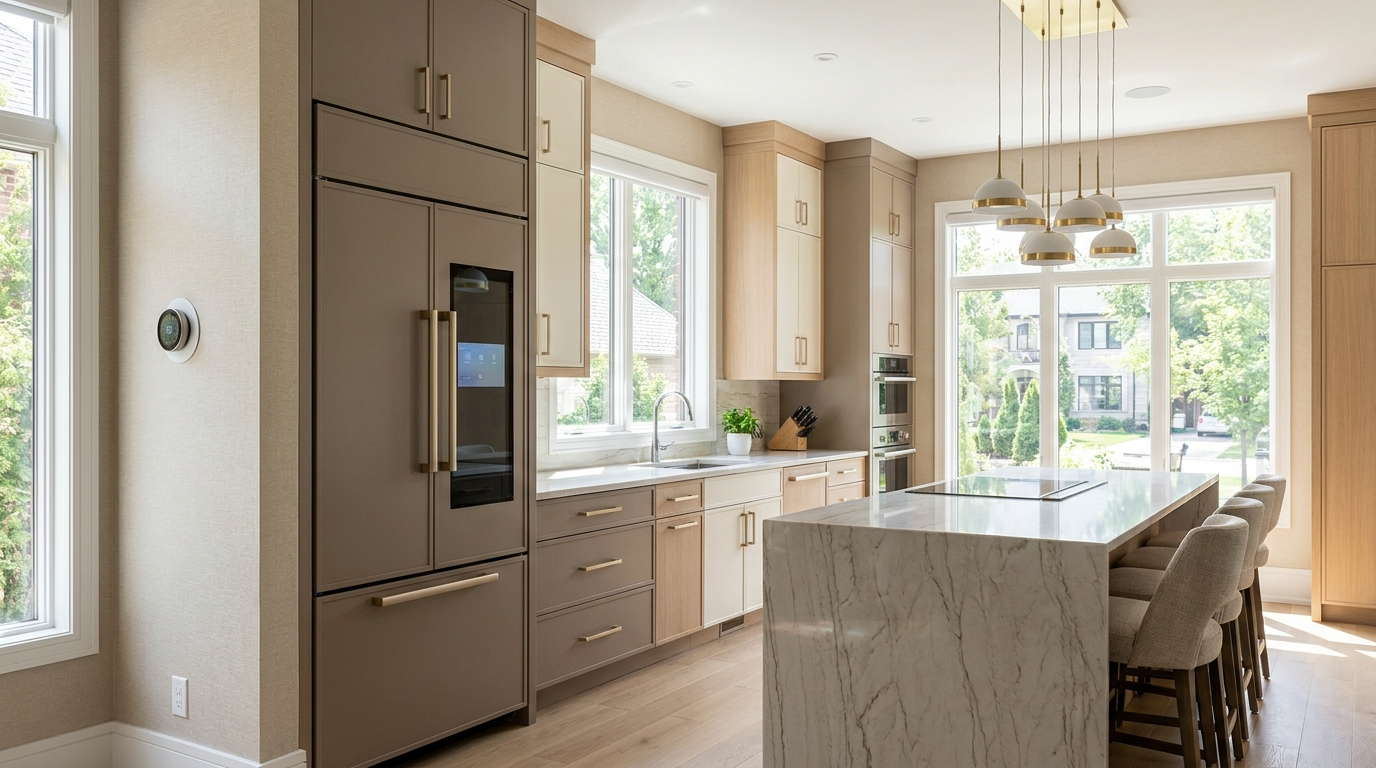
Smart appliances reduce energy costs by using sensors, scheduling, and real-time data to run only when needed and at the most efficient settings. In most Northern Virginia homes, a thoughtful mix of a smart thermostat, smart water heater controls, and ENERGY STAR connected appliances can trim 10 to 25 percent off monthly energy bills. As a local agent, I also see these upgrades quietly raise a home’s appeal when it is time to sell.

Let me walk you through what truly moves the needle, and what is mostly marketing.

How do smart appliances actually lower energy bills?

The savings come from precision. Traditional appliances run on simple on-off logic, while smart devices adjust to your real habits and to the price of energy throughout the day. A smart thermostat learns when your family is home and eases off when the house is empty. A connected washer or dryer can delay a cycle until overnight off-peak hours.

Over a year, those small adjustments add up. The appliance is not just doing the same job faster, it is doing it only when it makes sense, and that is where the dollars are saved.

Which smart upgrades give the best return?

After helping families across Fairfax, Loudoun, and Ashburn improve their homes, here are the upgrades I see deliver the most reliable payback:

  • Smart thermostats: The single biggest win in our climate, where heating and cooling dominate the bill. Look for learning models with room sensors.
  • Smart water heaters or heat-pump water heaters: They heat on a schedule and can pre-heat before peak demand.
  • ENERGY STAR connected refrigerators: They monitor door usage and defrost cycles to avoid wasted cooling.
  • Smart plugs and power strips: An inexpensive way to cut phantom loads from electronics that draw power even when off.
  • Smart lighting: LED bulbs with motion and daylight sensors that dim or shut off automatically.

Are smart appliances worth it in Northern Virginia specifically?

Yes, and our four distinct seasons are the reason. We run heat through cold winters and air conditioning through humid summers, so HVAC efficiency matters more here than in milder regions. A smart thermostat alone often pays for itself within a year or two in Loudoun and Fairfax homes.

Dominion Energy and many local utilities also offer rebates and demand-response programs that reward smart devices for shifting usage away from peak hours. That is essentially the utility paying you to be efficient.

Do energy upgrades add value when I sell?

They can. Today’s buyers, especially younger ones moving into Ashburn and Arlington, actively look for energy-efficient features and lower operating costs. A documented history of reduced utility bills is a genuine selling point.

When I prepare a home for the market, I highlight smart and efficient features in the listing because they signal a well-maintained, modern home. If you are curious how your upgrades translate into market value, you can start with my free home valuation tool, and I am always happy to advise sellers on which improvements are worth doing before listing.

What should I prioritize on a budget?

You do not need to convert the whole house at once. Start with the largest energy users and work down:

  • Install a smart thermostat first.
  • Add smart plugs and LED lighting next, since they are low cost and quick.
  • Replace aging appliances with ENERGY STAR connected models only when they are due for replacement anyway.

Buying a brand-new appliance purely to save energy rarely pays off before the device wears out, so timing your upgrades with natural replacement is the smart financial move.

A few practical tips before you buy

Confirm the appliance works with the smart home system you already use, check for the ENERGY STAR label, and look up current utility rebates before you purchase. If you are buying or relocating to the area, factor these features into your search, since a home that is already efficient saves you the cost and hassle of retrofitting.

Whether you are buying a home with modern systems already in place or relocating to Northern Virginia and starting fresh, I can help you weigh comfort, efficiency, and resale value together.

Ready to make a smart move with your home? Book a free, no-pressure consultation through my online booking page or call me directly at (571) 429-7477. I would love to help you make confident, value-building decisions.


The Psychology of Buying a Home: Emotional Considerations in the Home-Buying Process

Buying a home is as much an emotional journey as a financial one. The excitement, anxiety, and attachment you feel are completely normal, and understanding them helps you make clearer decisions rather than reacting to fear or pressure. In my years helping families across Northern Virginia, I have learned that the buyers who acknowledge their emotions are the ones who end up happiest in their homes.

Here is how the psychology of home buying works, and how to keep your feelings working for you instead of against you.

Why is buying a home so emotional?

A home is not just an asset. It is where you will raise children, host holidays, recover after hard days, and build a life. So when you walk through a house, your brain is not only calculating square footage and price, it is imagining a future. That emotional projection is powerful and it is exactly why a home can feel right or wrong within seconds.

This emotional weight is also why the process can feel exhausting. You are making a huge financial commitment while your heart is deeply invested, and holding both at once is genuinely hard.

What emotions show up most during the process?

Every buyer is different, but a few feelings come up again and again:

  • Excitement: The thrill of imagining your new life, which can sometimes rush decisions.
  • Fear of missing out: Especially in competitive markets like Arlington and Ashburn, the worry that you will lose the perfect home.
  • Anxiety: Concern about making the wrong choice or overpaying.
  • Attachment: Falling in love with a home before the inspection or numbers are in.
  • Decision fatigue: After many showings, everything starts to blur together.

None of these are weaknesses. They are signals. The goal is to notice them and respond thoughtfully.

How do emotions lead to costly mistakes?

Strong feelings can quietly steer you off course. Fear of missing out can push you to waive contingencies you should keep. Attachment can make you ignore a real flaw, like a problematic foundation or a long commute. Excitement can lead to stretching your budget beyond what is comfortable.

The most expensive mistakes I see are rarely about the wrong house. They are about the right house bought under the wrong emotional conditions, with terms a buyer later regrets.

How can I stay grounded while still trusting my heart?

I always tell my clients that emotion and logic are partners, not enemies. Here is how to balance them:

  • Define your must-haves and deal-breakers in writing before you start touring.
  • Get fully pre-approved so your budget is a fact, not a guess.
  • Sleep on big decisions when the timeline allows, even just overnight.
  • Lean on a trusted agent to be your calm, objective second opinion.
  • Remember that no home is perfect, so focus on the ones that fit your real priorities.

When you have a clear framework, your emotions become helpful guides rather than the whole steering wheel. My role as your buyer’s agent is to hold that framework steady when feelings run high.

Does the Northern Virginia market add extra emotional pressure?

It can. Desirable areas in Fairfax, Loudoun, and Arlington often move quickly, and fast markets amplify urgency. When you feel that pressure, the best antidote is preparation. Buyers who are pre-approved, clear on their criteria, and supported by a responsive agent feel far calmer, because they can act decisively without panicking.

If you are relocating to the area, the emotional stakes can be even higher, since you may be making decisions from a distance. Having someone local who can be your eyes and steady voice makes an enormous difference.

The bottom line

Your emotions are not a problem to suppress, they are valuable information. The happiest buyers I work with feel everything fully and still make grounded, well-informed choices, because they have the right preparation and the right guide beside them.

Thinking about buying and want a calm, experienced partner by your side? Book a free consultation through my booking page or call me at (571) 429-7477. I would be honored to help you find a home you love, with a clear head and a happy heart.

Hidden Fees for Buyers: Unexpected Costs and How to Avoid Them

The hidden fees of buying a home are the costs beyond the purchase price and down payment, including closing costs, inspections, appraisals, escrow, and ongoing ownership expenses. In Northern Virginia, these can add several thousand dollars to your purchase, but none of them have to be a surprise. With a clear list up front, you can budget confidently and avoid last-minute stress.

Let me break down the costs buyers most often overlook, and how to plan for each one.

What are closing costs, and how much should I expect?

Closing costs are the fees required to finalize your loan and transfer ownership. In our area, they typically run about 2 to 5 percent of the purchase price. They are paid at settlement and are separate from your down payment.

Common closing costs include:

  • Loan origination and underwriting fees charged by your lender.
  • Title search and title insurance to confirm clear ownership.
  • Recording fees and transfer taxes paid to the county and state.
  • Prepaid property taxes and homeowners insurance placed into escrow.
  • Attorney or settlement company fees for handling the closing.

Your lender must provide a Loan Estimate early on, so you can see these numbers well before settlement day.

Which inspection and appraisal costs should I plan for?

Before closing, you will usually pay for a home inspection and an appraisal out of pocket. A general home inspection typically costs a few hundred dollars and is one of the smartest investments you can make. Depending on the property, you may also want specialized inspections for radon, termites, the roof, or the sewer line.

The appraisal, ordered by your lender, confirms the home’s value and is also paid by you. These are not optional corners to cut, since they protect you from buying a home with expensive hidden problems.

What ongoing costs do buyers forget?

The fees do not stop at closing. New homeowners are sometimes caught off guard by the recurring costs of ownership, especially when moving from renting. Plan for:

  • HOA or condo fees in many Ashburn, Loudoun, and Arlington communities.
  • Property taxes that may be higher than your previous home.
  • Homeowners insurance and possibly flood insurance in certain zones.
  • Maintenance and repairs, which many experts suggest budgeting at roughly one percent of the home’s value per year.
  • Utilities that may be larger than expected in a bigger home.

How can I avoid being surprised by these fees?

The single best strategy is preparation. Here is what I walk my buyers through:

  • Get pre-approved so you understand your true budget, including these extra costs.
  • Review your Loan Estimate carefully and ask your lender to explain every line.
  • Budget a cushion of a few thousand dollars beyond your down payment.
  • Ask about HOA fees and special assessments before you make an offer.
  • Work with an agent who flags these costs early instead of at the closing table.

As a buyer’s agent in Northern Virginia, part of my job is making sure you know the full picture from day one. I would rather you feel fully prepared than blindsided.

Can a good agent help me reduce these costs?

Often, yes. In some transactions, certain closing costs are negotiable, and sellers may agree to contribute toward them, particularly in a balanced or buyer-friendly market. A skilled agent can negotiate seller concessions, recommend trustworthy and fairly priced inspectors, and help you compare lenders so you are not overpaying on fees.

If you are relocating to the region or buying your first home here, this guidance is especially valuable, because local knowledge of typical fees and norms can save you real money.

The bottom line

Hidden fees are only hidden if no one tells you about them. With a clear breakdown of closing costs, inspections, and ongoing expenses, plus a small financial cushion, you can move through your purchase with confidence and no nasty surprises.

Want a transparent, no-surprises home-buying experience? Book a free consultation through my booking page or call me at (571) 429-7477, and I will walk you through every cost before you commit.

Luxury Real Estate: A Peek into High-End Properties

Luxury real estate refers to the top tier of the market, typically defined by premium price, prime location, exceptional craftsmanship, privacy, and a distinctive lifestyle. In Northern Virginia, that means estate homes in places like Great Falls, McLean, and the rolling countryside of Loudoun, where architecture, land, and amenities come together in rare ways. Buying or selling at this level is a different experience, and it rewards discretion and expertise.

Let me take you inside what makes a property truly luxurious, and what to know if you are considering this market.

What actually defines a luxury home?

Price alone does not make a home luxurious. The defining qualities are quality and experience. A genuine luxury property usually combines several of these:

  • Prime location: Privacy, acreage, water or golf views, or proximity to prestigious areas.
  • Exceptional craftsmanship: Custom millwork, imported materials, and architectural distinction.
  • Resort-style amenities: Pools, home theaters, wine cellars, spa baths, and chef’s kitchens.
  • Smart, sustainable systems: Whole-home automation and high-end energy efficiency.
  • Privacy and security: Gated entries, generous lots, and thoughtful landscaping.

Ultimately, luxury is about how a home makes you feel and how seamlessly it supports the life you want to live.

What does the luxury market look like in Northern Virginia?

Our region offers a remarkable range. McLean and Great Falls are known for stately estates and proximity to Washington, D.C. Loudoun County blends wine-country elegance with modern custom builds, and parts of Arlington and Alexandria offer luxury condos and townhomes with skyline and waterfront access.

What ties it together is demand. Northern Virginia attracts executives, diplomats, and entrepreneurs who value top schools, security, and easy access to the capital. That steady demand makes our luxury market both resilient and competitive.

How is buying a luxury home different?

At this level, the process is more nuanced. Many of the finest properties are sold quietly, off-market, and never appear on public sites. Financing can be more complex, often involving jumbo loans or proof of liquidity. Due diligence is deeper too, covering everything from land surveys to the provenance of custom features.

Because of this, having an agent who understands the luxury process and has the right network is essential. I help buyers access opportunities that are not publicly listed and guide them through the discretion these transactions require.

How do you sell a luxury home for top value?

Selling at the high end is an art of presentation and positioning. The marketing must match the caliber of the home, which means:

  • Professional architectural photography and cinematic video tours.
  • Tasteful staging that highlights craftsmanship and flow.
  • Targeted, discreet marketing to qualified buyers and select networks.
  • Precise, data-driven pricing based on a nuanced understanding of the local luxury market.

If you own a high-end home and are even curious about its worth, my home valuation tool is a great starting point, and I offer sellers a confidential, tailored strategy from there.

Can luxury real estate be a smart investment?

It can be, when approached thoughtfully. Premium properties in sought-after Northern Virginia locations tend to hold value well and appeal to a global pool of buyers. Some owners also explore luxury rentals or use estate properties as part of a broader portfolio. If you are weighing the numbers, my guidance on real estate investing can help you assess long-term potential rather than just the listing price.

The bottom line

Luxury real estate is a world of craftsmanship, privacy, and lifestyle, and navigating it well takes local expertise and genuine discretion. Whether you are dreaming of an estate in Great Falls or quietly preparing to sell one, the right guidance makes all the difference.

Curious about the luxury market or ready to make a move? Book a private, no-pressure consultation through my booking page or call me directly at (571) 429-7477. I would be delighted to help you explore your options with care and confidentiality.

Spring Open House Tips: Making the Most of Your Open House

A successful spring open house comes down to fresh curb appeal, clean and inviting staging, smart timing, and strong promotion. Spring is the busiest buying season in Northern Virginia, so a well-run open house in Ashburn, Fairfax, or Loudoun can attract serious buyers and competing offers. The goal is simple: help visitors picture themselves living there from the moment they arrive.

Here are the tips I share with my sellers to make the most of the season.

Why is spring such a great time for an open house?

Spring is when buyer activity peaks. Families want to settle in before the next school year, gardens and landscaping look their best, and longer days mean more natural light to show off a home. Here in Northern Virginia, the spring market often brings out the most motivated buyers, which is exactly who you want walking through your door.

That heightened demand also means more competition among listings, so a polished, memorable open house genuinely helps you stand out.

How do I maximize curb appeal in spring?

First impressions begin at the curb, and spring gives you wonderful material to work with. Before your open house:

  • Refresh the landscaping with mulch, trimmed shrubs, and seasonal flowers.
  • Power-wash the driveway, walkway, and siding.
  • Clean the front door, polish the hardware, and consider a fresh coat of paint.
  • Add a tasteful welcome touch, like a clean doormat and a planter by the entry.
  • Make sure the lawn is freshly mowed and edged.

Buyers often decide how they feel about a home before they even step inside, so this small investment pays off.

What is the best way to stage for a spring open house?

Spring staging is all about light, freshness, and space. Open the curtains and blinds to let in natural light, and consider light, airy fabrics to match the season. Declutter every room and depersonalize so buyers can imagine their own lives there.

A few fresh flowers, a bowl of lemons in the kitchen, and subtle, clean scents make a home feel welcoming without feeling staged. The aim is a space that feels bright, cared-for, and move-in ready.

How should I time and promote my open house?

Timing and marketing make a real difference in turnout. A few guidelines I recommend:

  • Host on a weekend, typically Saturday or Sunday afternoon, when most buyers are free.
  • Promote across the MLS, social media, and email at least a week in advance.
  • Use clear, well-placed directional signs in the neighborhood.
  • Have professional photos ready so online listings draw people in first.
  • Provide a simple flyer with key details and your contact information.

As your agent, I handle this promotion for you, combining professional marketing with local reach so the right buyers know about your home. You can see how I support sellers from listing through closing.

What should sellers do on the day of the open house?

On the day itself, the best thing a seller can do is step away. Buyers feel freer to explore and speak openly when the owner is not present. Before you leave, do a final walkthrough to confirm the home is spotless, well-lit, and comfortably climate-controlled, and secure any valuables and personal documents.

If you are curious what your home could sell for this spring, my free home valuation tool is a great first step before we plan your open house strategy together.

The bottom line

A standout spring open house blends fresh curb appeal, light and inviting staging, good timing, and strong promotion. Done well, it can turn casual visitors into eager buyers and help you sell faster and for more, especially in our competitive Northern Virginia market.

Thinking about selling this spring? Book a free consultation through my booking page or call me at (571) 429-7477, and let’s create an open house strategy that gets your home noticed and sold.

8 Common Questions About Ashburn, VA Real Estate – Answered!

Navigating the dynamic real estate market in Ashburn, Virginia, can often lead to many questions for both buyers and sellers. To aid in your real estate journey, we’ve compiled a comprehensive list of frequently asked questions (FAQs) to provide you with essential information and insights on the Ashburn market.

From understanding property valuation and taxes to finding the right neighborhood and working with a trusted realtor, we aim to address your pressing concerns and help prepare you for success in the Ashburn real estate scene. Whether you are a first-time homebuyer or a seasoned investor, having a grasp of the most frequently asked questions will empower you to make informed decisions and seamlessly navigate your buying or selling experience.

In this informative article, you’ll find answers to your most important questions, shedding light on the intricacies of Ashburn’s real estate market and setting you on the path to achieving your property dreams.

1. How is property valuation determined in Ashburn, VA?

Property valuation in Ashburn, VA, is determined by several factors, including market conditions, location, property size, and unique features of the home. A professional appraiser will conduct a comprehensive evaluation of your property in comparison to comparable properties in the area that have recently sold. By analyzing recent sales data, the appraiser arrives at an accurate value for your property. The real estate market in Ashburn can be quite dynamic, so the valuation can fluctuate as a result of changing market trends.

2. What taxes can I expect when buying or selling property in Ashburn, VA?

In Ashburn, VA, buyers and sellers need to be aware of various taxes involved in property transactions. The most common tax expenses include:

– Property taxes: As a property owner in Ashburn, expect to pay annual property taxes, which fund essential local services such as schools, parks, and public safety. The Loudoun County tax rate is currently $1.035 per $100 of assessed value.

– Transfer taxes: When buying or selling a home in Virginia, parties must pay a transfer tax, known as the recordation tax. This tax is typically divided equally between the buyer and the seller, and its current rate is $1.00 per $1,000 of the property’s value.

– Capital gains tax: As a seller, if you make a profit on the sale of your principal residence, you may be subject to capital gains tax. However, the IRS allows individuals to exclude up to $250,000 of the gain if they meet specific criteria.

3. How can I find the right Ashburn neighborhood for my needs?

Choosing the right neighborhood in Ashburn involves considering factors such as budget, lifestyle preferences, proximity to work, schools, and desired amenities. Begin by researching different areas and their housing styles, price ranges, and safety ratings. Online resources, such as GreatSchools and Niche, are valuable tools for obtaining insights into schools, safety, and demographics.

Additionally, working with a local real estate agent who is knowledgeable about Ashburn neighborhoods can provide invaluable guidance in what areas best suit your needs and preferences.

4. What are common negotiation strategies when buying or selling property in Ashburn, VA?

Both buyers and sellers can benefit from employing negotiation strategies during property transactions. Here are a few common tactics:

For Buyers:

– Be pre-approved for a mortgage to demonstrate financial readiness.

– Offer a reasonable price based on market data and comparable properties in the area.

– Request concessions or repairs based on the home inspection results.

– Be flexible about closing dates to accommodate the seller’s timeline.

For Sellers:

– Set a competitive asking price based on comparable properties and current market data.

– Keep the property well-maintained and visually appealing for potential buyers.

– Offer incentives or concessions, such as covering some closing costs or offering a home warranty.

– Be open to negotiating on price, terms, and conditions to reach a mutually beneficial agreement.

5. How can a trusted realtor in Ashburn, VA help support my real estate goals?

A trusted realtor in Ashburn, VA, can provide invaluable assistance and guidance throughout your property buying or selling journey. Some benefits of working with a local realtor include:

– Expert market knowledge: Ashburn realtors are familiar with the local market trends, neighborhoods, and opportunities, providing clients with informed guidance and up-to-date information.

– Skilled negotiation: A realtor can help you navigate negotiations effectively, ensuring that all parties achieve a satisfactory outcome.

– Access to property listings: A realtor has access to the Multiple Listing Service (MLS), a database of available properties and the latest market data. This allows you to explore a wide range of options tailored to your specific needs.

– Support throughout the process: From scheduling home inspections and handling paperwork to coordinating the closing process, a realtor offers invaluable support at every stage of your property transaction.

By working with a [trusted Ashburn real estate agent](URL TO SERVICE PAGE), you can streamline your property transaction, optimize your financial outcomes, and attain valuable insights into the local market.

6. How do I prepare my home for sale in Ashburn, VA?

To maximize your property’s appeal and secure the best possible sale price when selling your home in Ashburn, consider the following steps:

– Declutter and depersonalize: Remove personal items and excessive belongings to create a visually appealing space for potential buyers.

– Conduct necessary repairs: Ensure that all aspects of the home are in working order, and address any glaring maintenance issues or cosmetic repairs.

– Enhance curb appeal: First impressions are crucial in real estate. Improve landscaping, clean exterior surfaces and windows, and consider painting or updating the front door to create an inviting entrance.

– Stage the property: Incorporate neutral colors, tasteful décor, and thoughtfully arranged furniture to highlight your property’s features and create a welcoming atmosphere for potential buyers.

By following these suggestions and working with an experienced Ashburn real estate agent to market your property effectively, you’ll be well-positioned for a successful sale in this competitive market.

Unlocking the Doors to Ashburn Real Estate Success

Understanding the nuances of Ashburn’s real estate market is crucial in ensuring a smooth and successful property transaction. With the answers to these frequently asked questions in hand, you are now better equipped to make informed decisions when buying or selling property in Ashburn, VA.

Now is the time to partner with a knowledgeable and reliable professional in the Ashburn area. Our team at trusted Ashburn real estate service) is dedicated to providing exemplary support tailored to your unique needs. As local real estate experts, we offer insights, guidance, and expertise to help you achieve success in the fast-paced Ashburn property market.

Don’t leave your real estate journey to chance. Contact our trusted Ashburn real estate team today, and let us help you navigate the complexities of buying or selling a property in Ashburn, VA, with confidence and ease. We look forward to assisting you in making your real estate dreams a reality.

Kitchen Remodels: Top Updates and Smart Investments This Spring

Spring DIY Home Improvement Projects: Seasonal Upgrades and Fixes

Navigating New Construction: Essential Tips for Buying a Brand-New Home

Smart Strategies to Lower Your Property Tax: Essential Tips for Homeowners