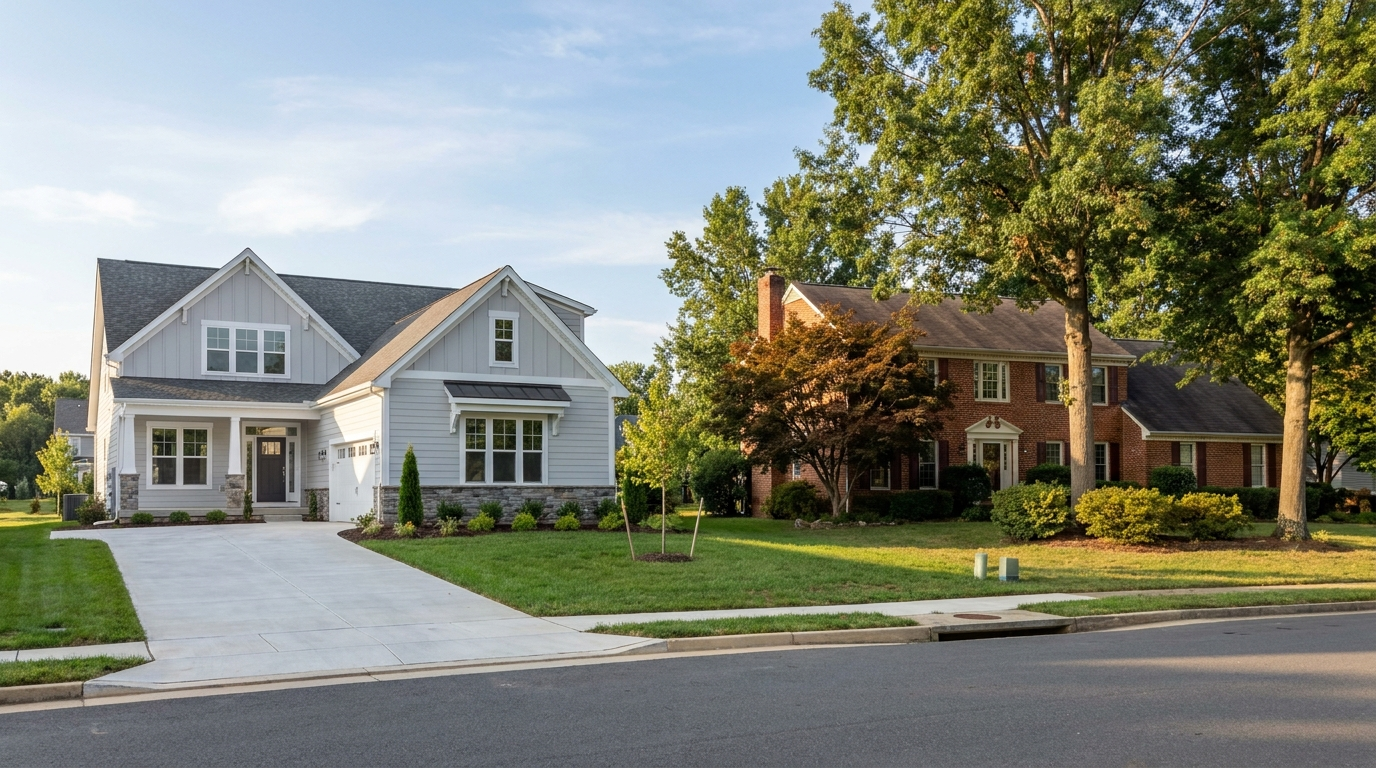
Buying a Home in Ashburn, VA: Neighborhoods, Prices, and What to Know in 2026

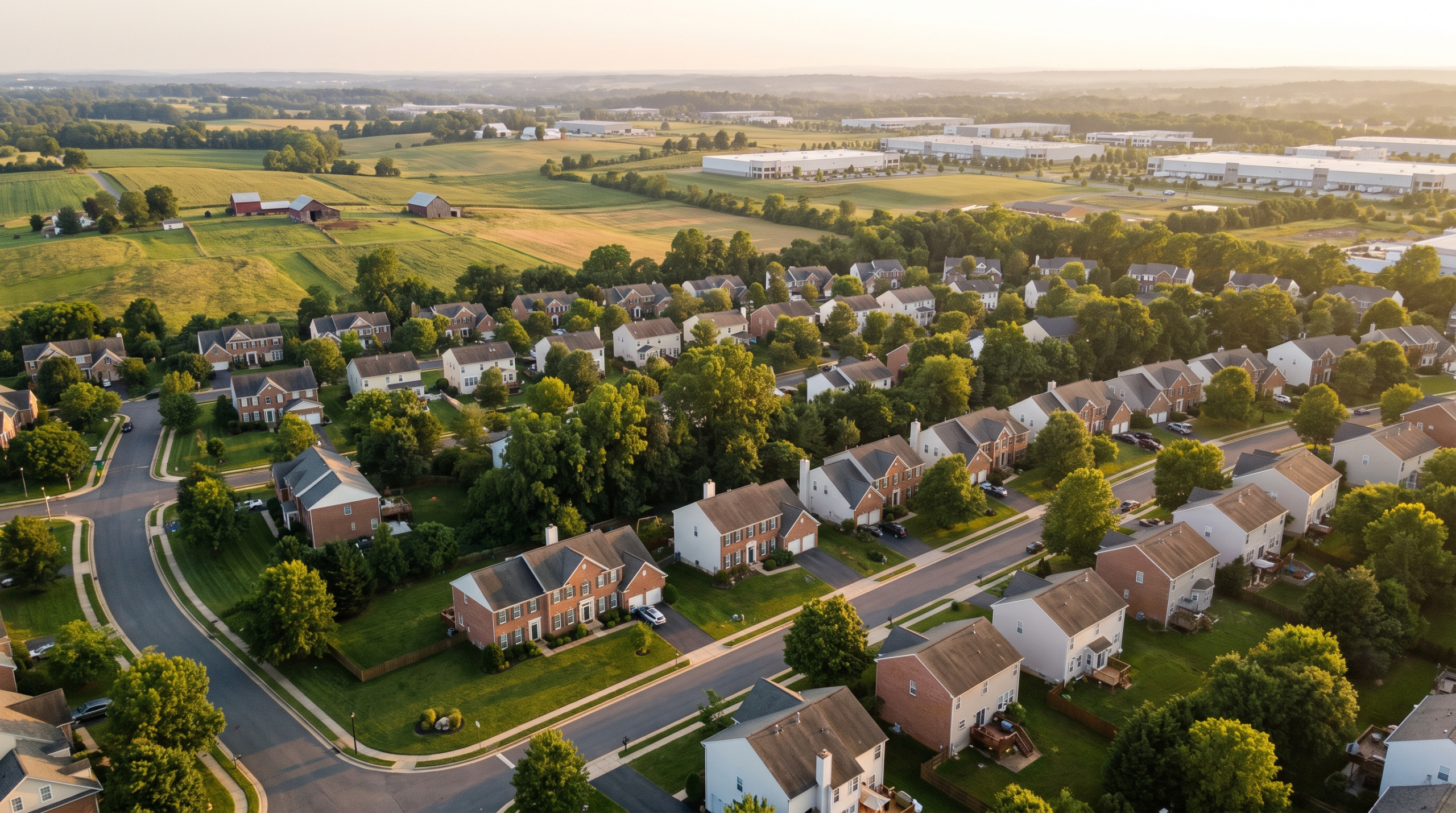
Ashburn has grown from quiet Loudoun County farmland into one of Northern Virginia’s most in-demand addresses — and once you spend a Saturday at One Loudoun or on the W&OD Trail, it’s easy to see why. But “Ashburn” covers a lot of ground, and the right neighborhood (and price point) depends on how you live. Here’s a local’s guide to buying here in 2026.

Why Buyers Keep Choosing Ashburn

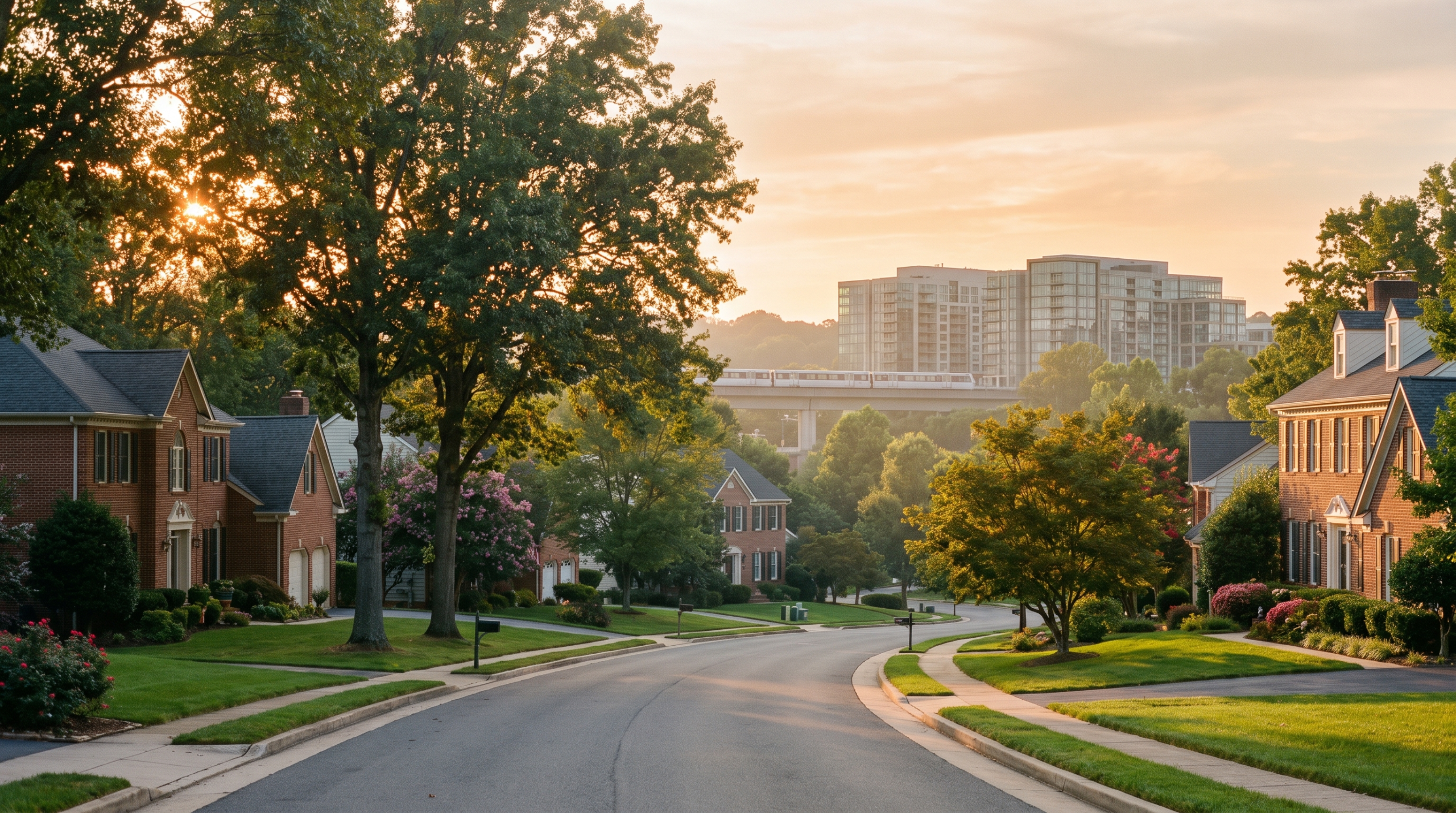
Three things drive Ashburn’s staying power. First, Loudoun County schools: several of the county’s strongest school pyramids run through Ashburn, and that alone anchors demand. Second, connectivity: the Silver Line’s Ashburn station means you can ride Metro to Tysons or DC without touching the Toll Road, a genuine game-changer for commuters. Third, jobs: Ashburn sits in the middle of “Data Center Alley,” and the tech, defense, and healthcare employers along the Dulles corridor keep a steady stream of well-qualified buyers coming — which has historically supported home values here even when other markets cooled.

If you’re weighing Ashburn against other parts of the region, my guide to Ashburn real estate and my relocation resources are good next stops.

Ashburn Neighborhoods at a Glance

Each of Ashburn’s major communities has a distinct personality:

  • Brambleton — Newer construction, fiber internet included in the HOA, a walkable town center, and top-rated schools. The go-to for buyers who want turnkey and modern.
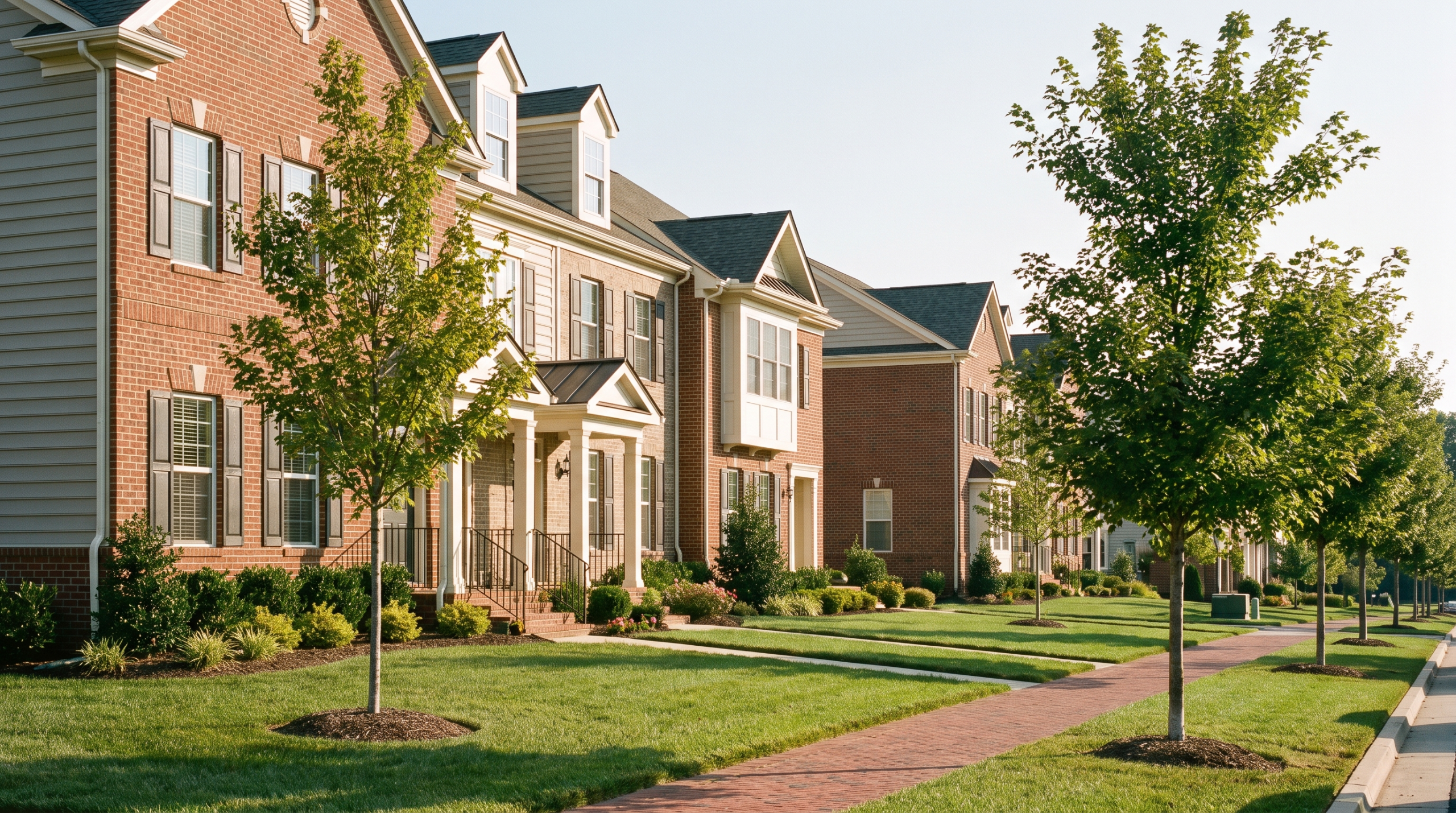
  • Ashburn Farm and Ashburn Village — Established 1990s communities with mature trees, pools, lakes, and some of the best value per square foot in Ashburn.
  • Broadlands — A nature-oriented community wrapped around trails and wetlands, popular with families targeting the Briar Woods school pyramid.
  • One Loudoun — Urban-style living with restaurants, a movie theater, and events at your doorstep. Mostly townhomes and condos; ideal for lock-and-leave buyers.
  • Loudoun Valley Estates and Birchwood — Newer enclaves toward the Silver Line; Birchwood is Ashburn’s premier 55+ community.

What Homes Cost in Ashburn Right Now

As of mid-2026, expect condos to start in the $400,000s, townhomes to trade mostly in the $600,000s, and detached single-family homes to run from the mid-$800,000s to well over $1 million in newer sections of Brambleton and Loudoun Valley. Well-priced, move-in-ready homes still routinely draw multiple offers within the first weekend, especially in the spring market. If you’re not sure what that means for your budget, start with my buyer services page — getting your financing and strategy set before you tour is half the battle in Ashburn.

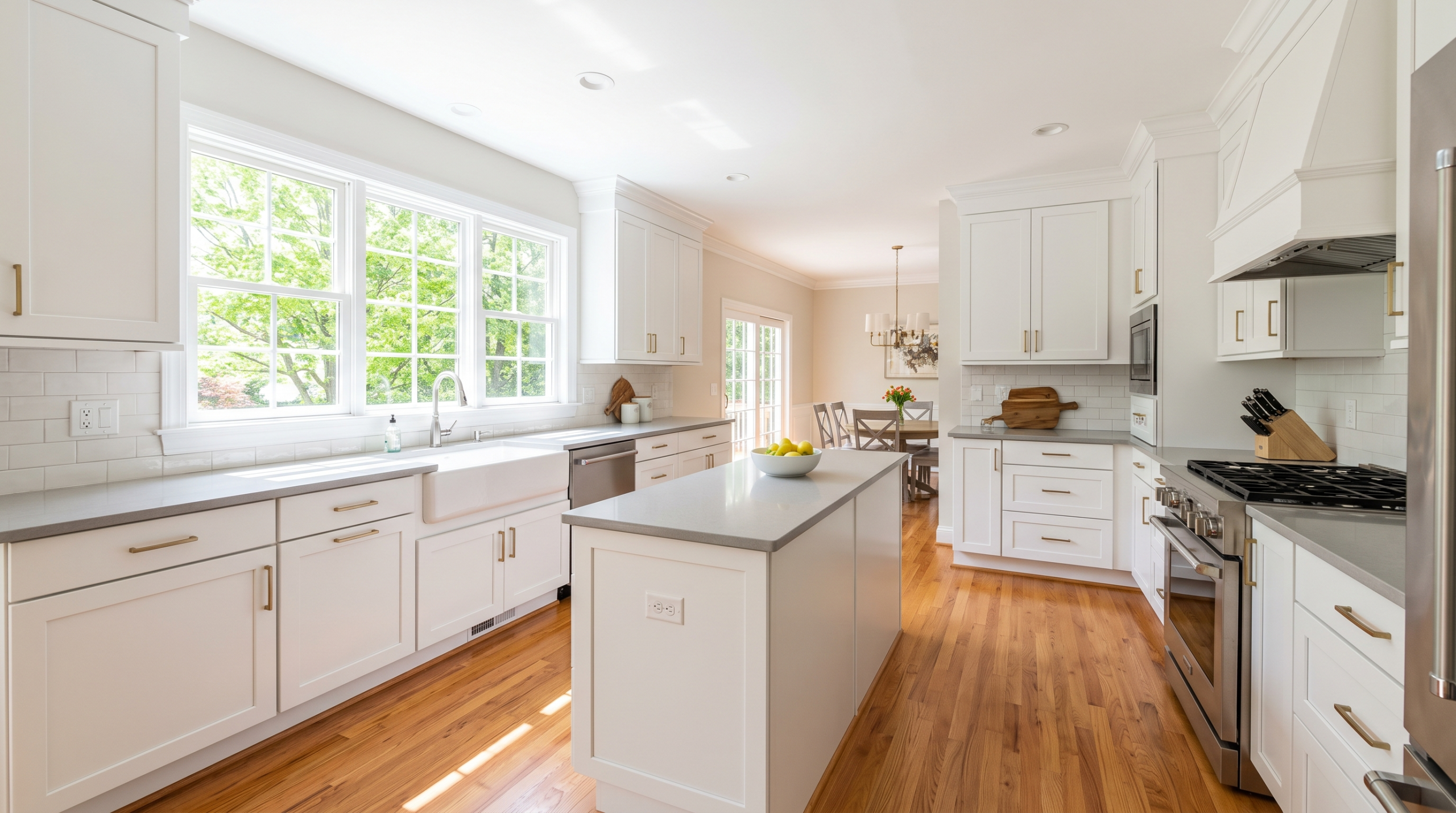
One quiet advantage of the older Ashburn communities: you can often buy a larger 1990s home for less than a newer townhome, then update it over time. Many of my clients partner with EA Home Design, our trusted remodeling partner, to renovate kitchens and baths after closing — frequently a better total value than paying new-construction premiums.

Tips for Making a Strong Offer in Ashburn

Read the HOA documents early — nearly all of Ashburn is governed by an HOA, and fees, amenities, and rules vary widely between communities. Test your real commute at rush hour, including Dulles Greenway tolls if you’ll drive. If a listing backs to power lines, a future road, or data center land, ask about it before you fall in love; it matters for resale. And if you already own in the area and are considering a move up, check what your current home is worth first — equity often stretches further than buyers expect.

Frequently Asked Questions

Is Ashburn, VA a good place to buy a home in 2026?

For most buyers, yes. Ashburn combines strong Loudoun County schools, Silver Line Metro access, and steady demand from the area’s tech and data-center employers, which has historically supported home values. The tradeoff is competition — well-priced homes often attract multiple offers.

How much does a home cost in Ashburn?

As of mid-2026, condos generally start in the $400,000s, townhomes commonly sell in the $600,000s, and detached single-family homes typically range from the mid-$800,000s to well past $1 million in newer communities like Brambleton and Birchwood.

How long is the commute from Ashburn to Tysons or Washington, DC?

Ashburn sits at the western end of Metro’s Silver Line, with rides of roughly 35 to 40 minutes to Tysons and about 70 minutes to downtown DC. Drivers typically take the Dulles Greenway and Toll Road; plan for 30 to 45 minutes to Tysons at rush hour, plus tolls.

Which Ashburn neighborhood is best for families?

Brambleton, Broadlands, and Ashburn Farm are perennial family favorites thanks to their pools, trails, and highly regarded school pyramids. The right choice usually comes down to budget, home age, and which schools you’re targeting — touring a few communities side by side helps.

Thinking About Ashburn? Let’s Talk

Whether you’re relocating to Northern Virginia or moving up within Loudoun County, I’d love to help you find the right Ashburn neighborhood at the right price. Book a free consultation or call me directly at (571) 429-7477 — no pressure, just a clear plan for your move.

Smart Mortgage Strategies for Northern Virginia Buyers: Buydowns, Points, and ARMs Explained

In a market as competitive as Northern Virginia’s, most buyers obsess over the offer price and overlook the lever that often matters more: how the loan itself is structured. The difference between a well-negotiated rate strategy and a default 30-year quote can easily be a few hundred dollars a month in Fairfax, Loudoun, or Arlington. Here is how buydowns, discount points, and adjustable-rate mortgages actually work, and when each one makes sense for a NoVA purchase.

Why Your Rate Strategy Matters as Much as Your Offer

With median prices in much of Fairfax and Arlington counties sitting well above the national average, every fraction of a percentage point on your mortgage translates into real money. On a typical Northern Virginia loan amount, a half-point rate difference can change your monthly payment by $200 or more. That is why savvy buyers negotiate financing concessions alongside price, and why the buyer consultation process I use starts with payment strategy, not just a price range.

Temporary Buydowns: The 2-1 and 1-0

A temporary buydown reduces your interest rate for the first year or two of the loan. With a 2-1 buydown, you pay a rate 2% below your note rate in year one and 1% below in year two, then the full rate from year three on. A 1-0 buydown discounts just the first year.

The key detail: in our market these are usually funded by the seller or builder, not the buyer. New-construction builders in Loudoun communities like Ashburn and Brambleton frequently offer buydown incentives through their in-house lenders. On resale homes, a seller-funded buydown can be a smarter ask than a price cut, because it lowers your payment more per dollar of concession.

Permanent Buydowns: When Paying Points Pays Off

Discount points permanently lower your rate, with one point costing 1% of the loan amount. Whether points are worth it comes down to break-even math: divide the cost of the points by your monthly savings to see how many months it takes to recoup the expense. For most buyers the break-even lands somewhere in the five-to-seven-year range.

If you are relocating for a three-year assignment at the Pentagon or a short-term contract in the Dulles tech corridor, points rarely make sense. If you are settling into a forever home in Vienna or McLean, they often do.

Adjustable-Rate Mortgages: Not the Villain They Used to Be

Today’s ARMs bear little resemblance to the loans that caused trouble before 2008. Modern ARMs are fully underwritten at the adjusted rate and carry caps that limit how much the rate can move at each adjustment and over the life of the loan. A 7/6 ARM, for example, holds a fixed rate for seven full years before adjusting every six months.

Given that many Northern Virginia owners move within seven to ten years, an ARM’s lower initial rate can be a rational trade. It is not for everyone, but it deserves a spot on your comparison sheet.

How to Shop Lenders the Right Way

Whatever structure you choose, the lender you pick matters. A few habits that consistently save NoVA buyers money:

  • Get loan estimates from at least three lenders on the same day, since rates move daily and quotes are only comparable when pulled together.
  • Include one local lender who knows Northern Virginia appraisers and can close on the 21-to-30-day timelines our market often demands.
  • Compare the full loan estimate, not just the rate, because lender fees can quietly erase a rate advantage.
  • Ask every lender to price the same three scenarios: par rate, one point, and a seller-funded 2-1 buydown.

And if you already own in the area, knowing your current equity position shapes everything about your next purchase. A quick home value check is the right first step before you talk to any lender.

Put a Payment Strategy Behind Your Offer

The strongest offers in Northern Virginia pair a smart price with financing that is structured to win. I work with trusted local lenders every week and can help you decide which of these tools fits your situation before you ever write an offer. Book a free consultation or call me directly at (571) 429-7477 and let’s build your plan.

Frequently Asked Questions

Should I wait for mortgage rates to drop before buying in Northern Virginia?

Usually not. Home prices in Fairfax, Loudoun, and Arlington counties have kept climbing even when rates were elevated, so waiting often costs more than it saves. Buy the right home when you find it, and refinance if rates fall later.

What is a 2-1 buydown and who pays for it?

A 2-1 buydown lowers your interest rate by 2% in year one and 1% in year two before returning to the full note rate. In Northern Virginia it is typically funded by the seller or builder as a negotiated concession, not by the buyer.

When are discount points worth buying?

Points make sense if you plan to keep the loan past the break-even point, usually five to seven years. If you expect to move or refinance sooner, keeping the cash for closing costs or reserves is often smarter.

Are adjustable-rate mortgages risky for NoVA buyers?

Today’s ARMs are fully underwritten with rate caps, so they are far safer than pre-2008 versions. A 7/6 ARM can work well in Northern Virginia, where many owners move within seven to ten years, but a fixed rate is still the safer default if you plan to stay long term.

What to Expect from a Home Inspection in Northern Virginia

A home inspection is one of the most important steps between your accepted offer and closing day — and in Northern Virginia, where properties range from 1940s Arlington bungalows to brand-new Loudoun County builds, what turns up can vary a great deal from one home to the next. A thorough inspection gives you a clear, unemotional picture of a home’s condition so you can move ahead with confidence or renegotiate with facts on your side. Here is what to expect, and how to make the inspection work in your favor.

What a Home Inspection Actually Covers

A licensed inspector typically spends two to four hours examining the home’s structure and major systems, then delivers a written report — usually full of photos — within about a day. They are evaluating the bones and the working parts of the house, not the paint colors. Expect them to look closely at:

  • Roof, gutters, siding, and the grading around the foundation
  • Structure, attic, and any signs of past or present water intrusion
  • Electrical panel, wiring, and outlets
  • Plumbing supply lines, drains, and the water heater
  • HVAC system, ductwork, and insulation
  • Windows, doors, and visible evidence of pests or moisture

An inspector will not open up walls or move heavy furniture, so the report reflects what is visible and accessible on inspection day. When something falls outside their scope — a possible foundation concern, an aging chimney, a suspect heat exchanger — they will recommend that a specialist take a closer look before you close.

Local Issues Northern Virginia Inspectors Watch For

Every market has its quirks, and NoVA is no exception. A few things come up often enough here that they are worth a little extra time and budget to check.

Radon

Fairfax, Loudoun, and Arlington all sit in an area the EPA flags as having high radon potential. Radon is an odorless gas that is inexpensive to test for during your inspection, and mitigation systems are straightforward to install if levels come back elevated. It is one of the smartest add-ons a Northern Virginia buyer can request.

Well and Septic Systems

If you are buying in western Loudoun or the more rural pockets of Fairfax — places like Purcellville, Middleburg, or Great Falls — the home may run on well water and a septic system rather than public utilities. These call for their own separate evaluations: a water-quality test for the well and a professional septic inspection, neither of which is included in a standard home inspection.

Older Homes and Their Systems

The charming older neighborhoods of Arlington, Alexandria, and Falls Church often feature pre-1970s construction that deserves extra attention — aging electrical panels, galvanized or polybutylene plumbing, original HVAC equipment, and the possibility of lead paint or asbestos in homes built before the late 1970s. None of these are automatic dealbreakers, but you will want to know about them before you own them.

How to Read the Report Without Panicking

Almost every inspection report looks alarming at first glance — even a well-kept home will generate pages of notes. The goal was never a flawless house; it is understanding which items are routine maintenance and which are genuinely meaningful. Focus your energy on health-and-safety concerns and the big-ticket systems: roof, foundation, HVAC, electrical, plumbing, and water. A worn caulk line is not the same as a twenty-year-old furnace, and a good agent will help you tell the difference.

Turning the Inspection Into Leverage

In Virginia, most purchase contracts include a home inspection contingency that gives you a defined window — often just a few days — to review the findings and respond. Depending on how your offer was written, you may be able to request repairs, ask for a closing-cost credit, renegotiate the price, or walk away entirely. In Northern Virginia’s competitive market, some buyers strengthen their position by arranging a pre-inspection before they even write an offer, so they can act quickly and with full information. Your options come down to how the contract is structured, which is exactly why it helps to have an experienced buyer’s agent shaping your strategy from the very first showing.

Frequently Asked Questions

How much does a home inspection cost in Northern Virginia?

Most single-family home inspections in the NoVA area run roughly $400 to $700, depending on the size and age of the home. Add-ons such as a radon test or separate well and septic evaluations cost extra, but they are often well worth it.

Do I really need a home inspection in a competitive market?

Yes. Even when you are competing for a home in Fairfax or Arlington, an inspection protects you from expensive surprises. Some buyers arrange a pre-inspection before making an offer so they can stay competitive while still understanding the home’s true condition.

Should I test for radon in Fairfax, Loudoun, or Arlington?

It is strongly recommended. All three counties sit in an EPA high-radon-potential zone, and testing is inexpensive. If levels come back elevated, a mitigation system is a relatively simple and affordable fix.

What happens if the inspection finds problems?

It depends on how your contract is written, but you will typically be able to request repairs, ask for a credit toward closing costs, renegotiate the price, or in some cases void the contract within your inspection contingency period.

How long does a home inspection take?

A typical single-family home inspection takes about two to four hours, and you will usually receive the written report within 24 hours. Attending in person is a great way to learn about your future home firsthand.

Buying a home in Northern Virginia is a major decision, and you should not have to interpret an inspection report on your own. As an award-winning local agent, Ellie Asemani helps buyers across Fairfax, Loudoun, and Arlington counties line up trusted inspectors, make sense of the findings, and negotiate from a position of strength. Ready to talk through your next move? Book a free consultation or call Ellie directly at (571) 429-7477 — no pressure, just clear, local guidance.

How to Stage Your Northern Virginia Home to Sell Faster and for More

When a home is priced right and shows well, it sells faster and for more — and in Northern Virginia’s competitive market, staging is one of the highest-return moves a seller can make before listing. Buyers here often tour a dozen homes in a single weekend, so the ones that feel bright, clean, and move-in ready are the ones that earn strong offers. Here is how to stage your Fairfax, Loudoun, or Arlington home so it stands out.

Why Staging Pays Off in Northern Virginia

Our buyers tend to be busy professionals, commuters, and dual-income households who want a home they can move into without a long to-do list. A staged home helps them picture their life in the space instead of the work it might need. It also matters online: the vast majority of Northern Virginia buyers start their search on a phone, so a home that photographs beautifully is what earns that first in-person tour. Homes that look cared for signal they have been maintained — an easy way to build buyer confidence before anyone walks through the door.

Start With Decluttering and a Deep Clean

Before you buy a single new throw pillow, edit and clean. Decluttering makes rooms feel larger, and a spotless home reassures buyers about everything they cannot see. Work room by room and be ruthless — anything you will not need in the next two months can be packed and stored.

  • Clear kitchen and bathroom counters down to a few tasteful items.
  • Pack away about half of what is in your closets so they look spacious.
  • Depersonalize by removing family photos, collections, and fridge clutter.
  • Deep clean floors, windows, grout, and baseboards until everything shines.
  • Neutralize odors — pet areas and last night’s dinner are quiet deal-breakers.

Prioritize the Rooms That Drive Offers

You do not need to stage every square foot. Focus your energy and budget where buyers actually make decisions.

The Kitchen

Kitchens sell homes in Northern Virginia. Clear the counters, add a bowl of fresh fruit or a simple plant, swap dated cabinet hardware, and keep the sink empty and gleaming during every showing.

The Primary Bedroom and Bath

Create a calm, hotel-like retreat with neutral bedding, symmetrical nightstands, and soft lighting. In the bathroom, fresh white towels and a clean, uncluttered vanity go a long way.

Curb Appeal

First impressions start at the curb. Mow and edge the lawn, add fresh mulch and a few seasonal plants, paint a tired front door, and make sure the house numbers and entry are clean and welcoming — especially important for the many townhomes across Ashburn, Arlington, and Alexandria, where the front elevation is the whole first impression.

Keep It Light, Neutral, and Move-In Ready

Northern Virginia buyers respond to bright, neutral spaces they can make their own. Open the blinds, replace dim or mismatched bulbs with warm daylight LEDs, and consider a fresh coat of soft, neutral paint in high-traffic rooms. If your kitchen or bath feels dated, a targeted refresh often returns more than it costs — through our partnership with EA Home Design, I can help you scope cost-effective updates that appeal to today’s buyers without over-improving for the neighborhood. Not sure how far to go? A quick home value estimate lets us weigh the return before you spend a dollar.

Budget-Friendly Staging Wins

Great staging does not have to be expensive. A few high-impact, low-cost moves:

  • Rearrange existing furniture to open up walkways and show each room’s purpose.
  • Add fresh greenery, a few plants, or simple flowers for warmth.
  • Layer in neutral throw pillows, a cozy blanket, and a large area rug to define spaces.
  • Let the light in — clean the windows and open every curtain before showings.
  • Give that awkward nook a job: a small reading corner or a tidy home-office vignette.

Ready to Sell for Top Dollar?

Every home is different, and the right staging plan depends on your property, your price point, and your timeline. As a top-producing agent across Fairfax, Loudoun, and Arlington, I will walk your home room by room and build a custom prep plan that fits your budget. Explore my seller services or get to know the area in my Fairfax County guide, then let’s talk. Book a free consultation or call me directly at (571) 429-7477.

Frequently Asked Questions

How much does home staging cost in Northern Virginia?

Professional staging in Northern Virginia typically ranges from a few hundred dollars for a consultation to a few thousand for full staging with rented furniture, depending on home size. Many sellers capture most of the benefit by decluttering, deep cleaning, and restaging their own furniture with guidance from their agent.

Is staging worth it if my home needs updates first?

Often yes, but order matters. Small, high-impact updates like fresh neutral paint, updated lighting, and a kitchen or bath refresh usually come before staging, and I can connect you with our partner EA Home Design to scope cost-effective improvements that pay off at resale.

Should I stage an empty house or a lived-in one?

Both benefit from staging. Empty homes can feel cold and make it hard to judge scale, so light furnishings help, while lived-in homes usually need decluttering and depersonalizing so buyers can picture themselves in the space.

Does staging really help homes sell faster in Fairfax, Loudoun, and Arlington?

In our competitive market, staged homes tend to photograph and show better, which drives more showings and stronger offers. Since most Northern Virginia buyers start their search online, strong listing photos of a staged home are often what earn that first in-person tour.

What should I prioritize if I only have a small budget?

Focus on the kitchen, the primary bedroom, and curb appeal, then declutter every room and maximize natural light. These are the areas Northern Virginia buyers judge first, so a little effort there goes the furthest.

Buying a Home in Vienna, VA: What to Know Before You Make an Offer

Vienna consistently ranks among Northern Virginia’s most desirable places to put down roots, and for good reason: tree-lined streets, top-rated Fairfax County schools, and a genuinely walkable town center minutes from Tysons and the Metro. It is also one of the region’s most competitive markets, where a well-priced home can sell in days. Here is what to know before you tour homes in Vienna.

Why Buyers Love Vienna

Vienna is an incorporated town of roughly 16,000 residents inside Fairfax County, but it lives much bigger than its size. The Washington & Old Dominion (W&OD) Trail runs right through the heart of town, Church Street’s historic shops and restaurants give it a real small-town center, and traditions like the Vienna Halloween Parade build a strong sense of community. You are also close to nearly everything: Tysons Corner sits just to the north, the Vienna/Fairfax-GMU Metro station anchors the town’s eastern edge, and Washington, D.C. is a manageable commute.

What Homes Cost in Vienna

Vienna is one of Fairfax County’s higher-priced markets. Through the first half of 2026, the median single-family sale price has hovered around the $1 million mark, with many renovated and new-construction homes trading well above that. Inventory has stayed tight, often just one to two months of supply, which keeps the market firmly in sellers’ favor. Homes that are priced right and show well frequently go under contract within a week or two, often at or above asking.

A few factors drive Vienna’s prices:

  • Lot value: Many sales are really about the land, with older homes bought, torn down, and replaced by new builds.
  • School pyramid: Homes feeding into the James Madison High School pyramid tend to carry a premium.
  • Walkability: Proximity to the W&OD Trail and the Church Street town center is highly valued.
  • Commuter access: Closeness to Metro, I-66, and Route 123 keeps demand strong.

Should you consider a renovation or new build?

A meaningful share of Vienna sales involve older homes on desirable lots that buyers update or rebuild over time. If you are open to renovating, you may find better value than competing for turnkey new construction. This is where a renovation-savvy team helps; I often connect clients with my remodeling partners at EA Home Design to scope realistic budgets before they ever write an offer.

Neighborhoods and Schools to Know

Vienna’s appeal is closely tied to its schools. Most of the town feeds into the Madison pyramid (Louise Archer or Vienna Elementary, then Thoreau Middle and James Madison High), while areas to the north and west may feed into the Oakton or George C. Marshall pyramids. Because boundaries can shift and do not always follow the Vienna mailing address, confirm the assigned schools for any specific property. If you are relocating to Northern Virginia, this is a detail to nail down early.

How to Compete as a Buyer in Vienna

In a fast market, preparation beats speed. Before you tour, get fully underwritten (not just pre-qualified) with a local lender and talk through offer strategy with your agent. Strong offers in Vienna usually pair a competitive price with clean terms: a healthy earnest money deposit and flexible timing for the seller. Working with an experienced buyer’s agent helps you move quickly without overpaying or waiving key protections. If this is your first purchase, our guide for first-time buyers in Vienna walks through the process step by step.

Frequently Asked Questions

Is Vienna, VA a good place to buy a home?

Yes. Vienna is consistently one of Fairfax County’s most sought-after towns thanks to its top-rated schools, walkable town center, and easy access to Tysons, Metro, and Washington, D.C. Just be prepared for a competitive market with limited inventory.

How much does a house cost in Vienna, VA?

Through the first half of 2026, the median single-family sale price in Vienna (ZIP 22180) has hovered around $1 million, and renovated or newly built homes often sell well above that. Prices vary widely based on lot size, condition, and school pyramid.

Is Vienna a buyer’s or seller’s market right now?

It is a seller’s market. Inventory has stayed near one to two months of supply in 2026, well below the four to six months considered balanced, so well-priced homes often go under contract within a couple of weeks and frequently sell at or above asking price.

Which schools serve Vienna, VA?

Most of the town feeds into the James Madison High School pyramid, while other areas are assigned to the Oakton or George C. Marshall pyramids. Because boundaries do not always match the Vienna mailing address, always confirm the assigned schools for a specific home.

How do I make a competitive offer in Vienna?

Get fully underwritten with a local lender before you start touring, keep your terms clean with a solid earnest money deposit and flexible timing for the seller, and lean on an experienced local agent to shape your price and contingencies. Call Ellie at (571) 429-7477 to build your strategy.

Ready to Find Your Home in Vienna?

Vienna rewards buyers who come prepared. Whether you are relocating to Northern Virginia, buying your first home, or moving up, I would love to help you navigate the market with clear, steady advice. Book a free, no-pressure consultation or call me directly at (571) 429-7477, and let’s find the right home for you in Vienna.

How Much House Can You Afford in Northern Virginia?

“How much house can I afford?” is the first real question for nearly every Northern Virginia buyer — and in one of the country’s higher-cost housing markets, getting the answer right matters more than ever. The good news is that affordability is far more controllable than the headlines suggest. Here is how to land on a realistic, comfortable price range before you ever tour a home.

Start With the Monthly Payment, Not the Price Tag

Most buyers fixate on a home’s list price, but your lender — and your monthly budget — care about the full payment. That payment is often called PITI: principal, interest, property taxes, and homeowners insurance. In many Fairfax, Loudoun, and Arlington neighborhoods you will also add a monthly HOA or condo fee. Working backward from a payment you are comfortable with is the fastest way to find a price range that will not stretch you thin.

The 28/36 Rule (and Where NoVA Buyers Bend It)

A simple lender guideline is to keep your total housing payment at or below 28% of your gross monthly income, and all of your debts combined — car loans, student loans, credit cards, plus the new mortgage — at or below 36%. Many loan programs allow a higher debt-to-income ratio, often up to 43–45%, but qualifying for that ceiling does not mean you should spend to it. Leaving room for maintenance, commuting, and everyday life is what keeps homeownership comfortable rather than stressful.

What Actually Moves Your Number

A handful of levers decide how much home your monthly payment will buy:

  • Down payment: Putting 20% down avoids private mortgage insurance (PMI), but plenty of buyers succeed with 3–5% conventional, 3.5% FHA, or 0% down with a VA loan — a real advantage in our military- and federal-heavy region.
  • Interest rate: Even a half-point difference noticeably changes your buying power, so compare lenders and lock thoughtfully.
  • Property taxes: Effective real estate tax rates run roughly 0.9%–1.15% of assessed value depending on the county, so the same payment buys a little differently in Loudoun than in Fairfax or Arlington.
  • HOA and condo fees: A $300–$500 monthly fee can lower the price you qualify for by tens of thousands of dollars.
  • Closing costs: Budget about 2–5% of the purchase price on top of your down payment.

How Location Changes What You Can Afford

Northern Virginia is not one market — it is dozens. Close-in, walkable areas like Arlington, McLean, and Vienna command the region’s highest prices, while you will typically get more square footage and newer construction farther out in communities like Leesburg, Brambleton, and Ashburn. If you are flexible on commute, shifting your search by a county can meaningfully raise what your budget delivers. Buyers relocating to the area are often surprised how much the right ZIP code can stretch — or shrink — their options, which is exactly where a local buyer’s agent earns their keep.

Frequently Asked Questions

How much income do I need to buy a home in Northern Virginia?

It depends on the price point, your existing debts, and your down payment. As a rough guide, many move-up homes in Fairfax and Loudoun call for a household income in the low-to-mid six figures to stay within comfortable lending limits. A quick pre-approval gives you a precise, personalized number.

Do I really need 20% down to buy in Northern Virginia?

No. While 20% down lets you skip PMI, conventional loans can go as low as 3%, FHA as low as 3.5%, and VA loans require nothing down. Given the large military and federal workforce here, VA financing is especially common across the region.

How much are closing costs in Northern Virginia?

Plan on roughly 2–5% of the purchase price for lender fees, title, taxes, and recording, separate from your down payment. In some negotiations a seller may contribute toward these costs, which an experienced agent can help you pursue.

Is it cheaper to buy in Loudoun or Fairfax County?

You will generally find more home for the money in outer Loudoun communities like Leesburg and Brambleton than in close-in Fairfax or Arlington, though commutes and inventory vary. The best value depends on your priorities around schools, commute, and home style.

How do I get an exact number for my budget?

The most accurate step is a lender pre-approval paired with a conversation about your goals. I am happy to connect you with trusted local lenders and translate the numbers into neighborhoods that fit.

Let’s Find Your Number Together

Knowing your number turns home shopping from stressful to strategic. If you would like a clear, personalized picture of what you can comfortably afford — and which Northern Virginia neighborhoods fit your budget and lifestyle — let’s talk. Book a free, no-pressure consultation or call me directly at (571) 429-7477, and we will map out your path from pre-approval to keys in hand.

How to Write a Winning Offer in Northern Virginia’s Competitive Market

Northern Virginia’s housing market has cooled from its pandemic peak, but it is still firmly a seller’s market in the neighborhoods buyers want most. With the May 2026 median sale price near $812,000 and just under two months of inventory, a well-priced home in Vienna, Arlington, or Ashburn can still attract several offers within a week. The good news is that winning rarely means simply offering the most money — it means writing the smartest, cleanest offer on the table.

What Today’s Northern Virginia Market Means for Buyers

The mid-2026 market is best described as competitive but moderating. Homes are taking a little longer to sell than a year ago — roughly 18 days on average this spring — which finally gives buyers some breathing room. Even so, months of supply are hovering near 1.9, far below the five to six months that signal a balanced market, so demand still outpaces the homes available. Move-in-ready listings near Metro stations and top-rated schools remain the most competitive. Knowing where a home sits on that spectrum, from a brand-new hot listing to one that has lingered for a month, should shape how aggressive your offer needs to be.

Get Fully Underwritten, Not Just Pre-Approved

A standard pre-approval letter no longer makes you stand out. Ask your lender for a fully underwritten approval, where an underwriter reviews your income, assets, and credit before you ever write an offer. To a seller, that looks almost as strong as cash because it removes most of the financing risk. Pair it with a lender who will personally call the listing agent on your behalf — a small touch that carries real weight across Fairfax and Loudoun.

Make Your Offer Stand Out Beyond Price

Use an escalation clause

An escalation clause says you will automatically beat any competing offer by a set amount, such as $5,000, up to a maximum you choose. It keeps you in the running without overpaying when no other strong bid exists. Just require the seller to provide a copy of the bona fide competing offer before the clause kicks in.

Consider appraisal gap coverage

When prices climb faster than appraisals, sellers worry a low appraisal will collapse the deal. Offering to cover a gap — for example, up to $15,000 in cash above the appraised value — reassures them you can still close. Only promise an amount you can genuinely pay out of pocket.

Be strategic with contingencies

Waiving every contingency is risky, but you can still be smart. A pre-offer, information-only home inspection lets you learn the home’s true condition up front so you can shorten or waive the inspection contingency with confidence. Keep your financing and, where possible, appraisal protections in place unless you fully understand the trade-off.

Offer flexible, seller-friendly terms

Price is not the only thing sellers value. Sometimes the winning edge is matching their timeline or removing their stress:

  • A larger earnest money deposit to show you are serious
  • A closing date that fits the seller’s schedule
  • A free or low-cost rent-back so they are not rushed to move out
  • Fast, clean turnaround on signatures and documents

Stay Disciplined So Competition Does Not Cost You

It is easy to get swept up after losing a home or two. Decide on your true maximum before you write, and remember the goal is the right home at a price that still works for your life — not winning at any cost. A good agent helps you craft an offer strong enough to win and sensible enough to live with.

Frequently Asked Questions

How competitive is the Northern Virginia market in 2026?

It is competitive but more balanced than recent years. With about 1.9 months of inventory and homes averaging roughly 18 days on market this spring, desirable move-in-ready listings in areas like Vienna, Arlington, and Ashburn still draw multiple offers, while homes that need work or are overpriced can sit longer.

Do I have to waive the home inspection to win in Fairfax or Loudoun?

Not necessarily. Many successful buyers do a pre-offer, information-only inspection instead, which lets them understand the home’s condition and then shorten or waive the contingency without flying blind. Waiving protections entirely is a personal risk decision your agent should walk you through.

What is an appraisal gap, and should I offer to cover one?

An appraisal gap is the difference between your contract price and a lower appraised value. Offering to cover part of it in cash strengthens your offer, but only commit to an amount you can comfortably pay out of pocket.

How much earnest money should I put down in Northern Virginia?

Earnest money typically runs about 1 to 3 percent of the purchase price in Northern Virginia. A deposit on the higher end signals commitment, and it stays protected in an escrow account backed by your contract contingencies.

Is now a good time to buy in Northern Virginia?

If you plan to stay for several years, yes. Prices keep rising modestly and inventory remains tight, so waiting often means paying more later, while 2026’s slightly slower pace gives buyers more negotiating room than they have had in years.

Work With a Local Expert

Ready to write an offer that wins without overpaying? Ellie Asemani is an award-winning Northern Virginia agent with Pearson Smith Realty who guides buyers across Fairfax, Loudoun, and Arlington counties. Book a free consultation or call (571) 429-7477 to build your winning strategy. You can also explore our buyer resources and our Ashburn community guide to get started.