Remodeling Before You Sell in Northern Virginia: Which Projects Actually Pay Off

One of the most common questions I hear from Northern Virginia homeowners is some version of: “Should I fix this up before we list?” It’s a smart question — the wrong renovation can eat months of time and tens of thousands of dollars without moving your sale price. The right one can pay for itself and then some. Here’s how I help sellers in Fairfax, Loudoun, and Arlington counties decide what’s worth doing.

Remodeling to Sell Is Not Remodeling to Stay

When you renovate a home you plan to live in, you’re buying enjoyment. When you renovate to sell, you’re making an investment that needs to return more than it costs — and it has to appeal to the broadest pool of buyers, not your personal taste. That distinction changes everything: neutral finishes beat bold ones, cosmetic refreshes usually beat gut renovations, and speed matters because carrying costs add up. Before spending a dollar, it’s worth knowing what your home is worth today so you have a baseline to measure against.

The Projects That Consistently Pay Off in NoVA

Buyer expectations here are high — homes in Vienna, McLean, Ashburn, and Arlington often sell to well-qualified buyers who compare your home against updated new construction. The projects that reliably return their cost in our market are the ones that improve first impressions and photography:

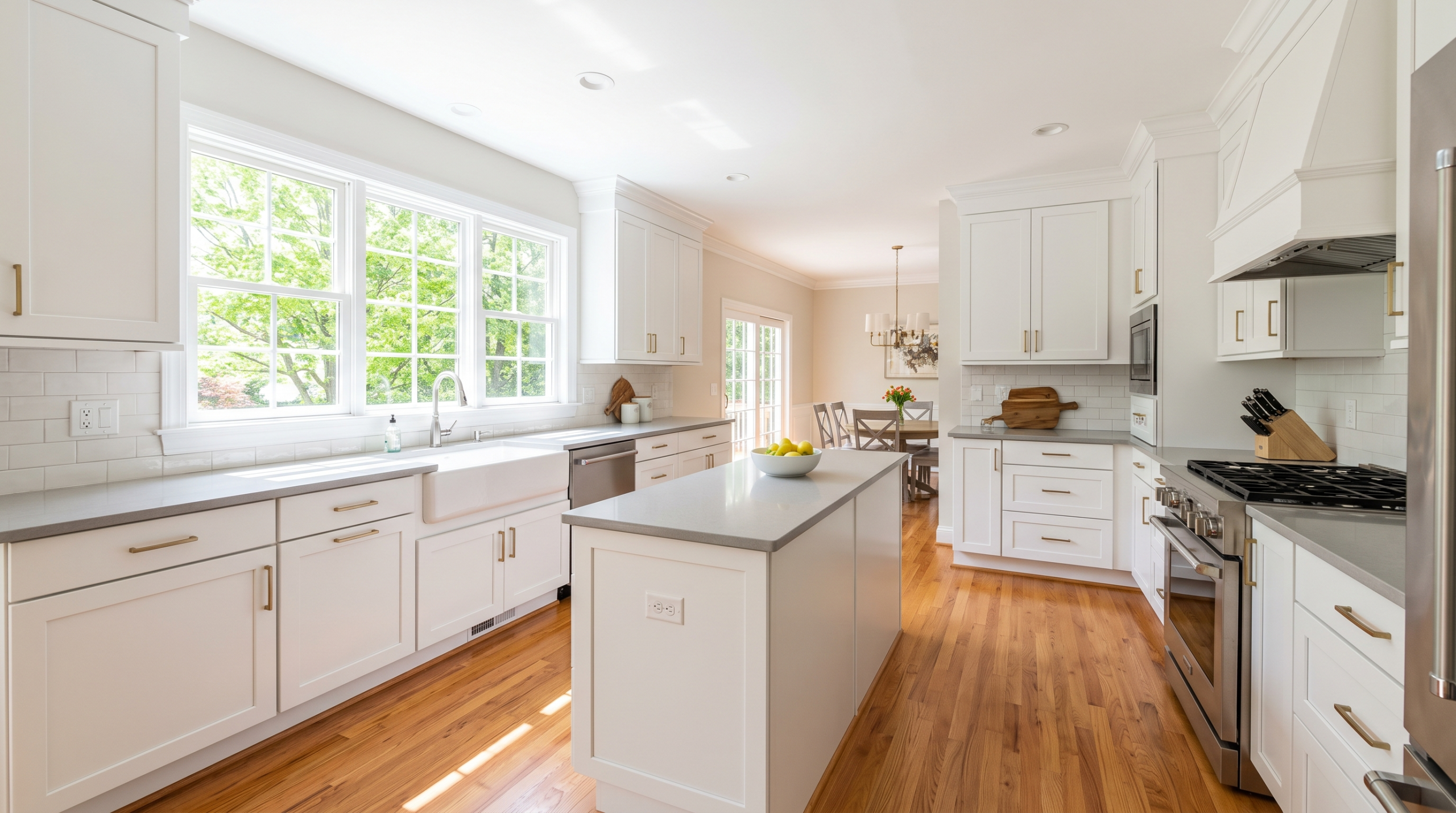
  • Minor kitchen refresh — painted or refaced cabinets, new hardware, updated lighting, and (if needed) new counters. Far better return than a full remodel.
  • Bathroom updates — re-glazed tubs, new vanities, modern mirrors and fixtures.
  • Interior paint — whole-house neutral repaint is the highest-ROI project in almost every listing I take.
  • Refinished hardwood floors — buyers in Fairfax and Loudoun expect hardwood on main levels, and refinishing is inexpensive relative to the impact.
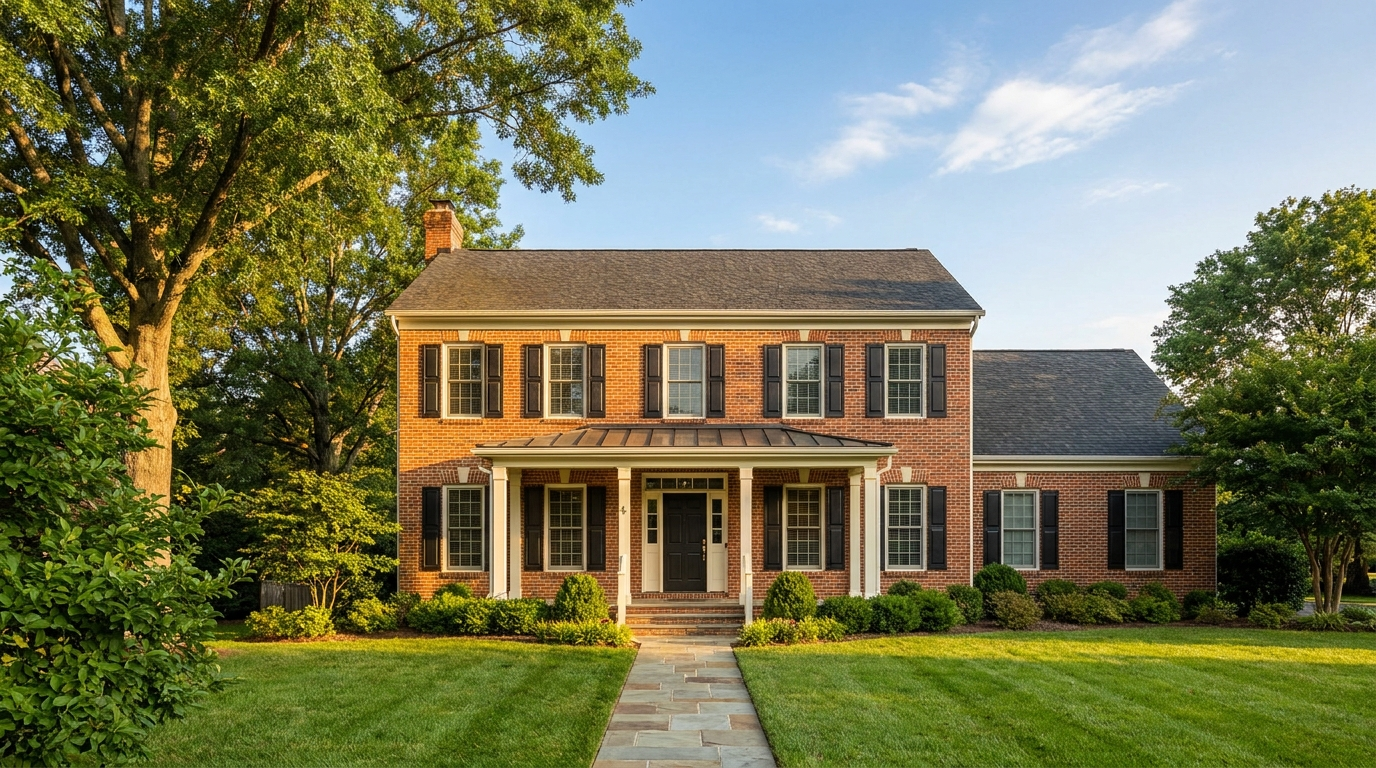
  • Curb appeal — mulch, landscaping cleanup, a painted front door, and updated exterior lighting shape the very first photo buyers see.

Projects That Rarely Return Their Cost Before a Sale

Full kitchen gut renovations, primary suite additions, swimming pools, and high-end custom finishes almost never return their full cost at resale in Northern Virginia. That doesn’t mean they’re bad projects — they’re just projects to do for yourself, years before you sell, not in the ninety days before listing. If your kitchen is dated, a $15,000 refresh usually outperforms a $75,000 remodel on sale day.

Match the Project to Your Neighborhood

The right scope depends heavily on where you are. In newer communities like Ashburn and Brambleton, most housing stock is already updated, so sellers compete on condition and staging rather than renovation. In established Fairfax County neighborhoods with 1970s–1990s homes, a strategic kitchen and bath refresh can move a home into a different pricing tier. This is exactly the conversation to have during a pre-listing walkthrough — I’ll tell you honestly which projects buyers in your zip code will pay for and which they won’t. You can read more about my approach on my seller services page.

Timing, Budget, and the Right Team

For cosmetic work, start about 60 to 90 days before your target list date. For anything larger, give yourself four to six months — good contractors in Fairfax and Loudoun counties book out well in advance, especially heading into the spring market. For clients tackling kitchens and baths, I often coordinate with my remodeling partner EA Home Design, a national award-winning Northern Virginia kitchen and bath firm, so the work is scoped for resale value rather than over-improved for the neighborhood. And if you’re planning to buy your next home after selling, budget with both transactions in mind — my buyer guide covers what to expect on the purchase side.

Frequently Asked Questions

Which home renovation adds the most value before selling in Northern Virginia?

Minor kitchen and bathroom refreshes consistently deliver the strongest returns in Fairfax, Loudoun, and Arlington counties. Fresh paint, updated lighting, and refinished hardwood floors also rank near the top because they improve photos and first impressions at a modest cost.

Should I do a full kitchen remodel before listing my home?

Usually not. A full kitchen remodel in Northern Virginia often costs $60,000 or more and rarely returns its full cost at resale. A cosmetic refresh — cabinet painting, new hardware, updated counters and lighting — typically delivers a better return in a shorter timeframe.

How much should I budget for pre-sale updates in Northern Virginia?

Most of my sellers spend between $5,000 and $25,000 depending on the home’s condition and price point. The right number depends on what buyers in your specific neighborhood expect, which is why I recommend a walkthrough before you spend anything.

How far in advance should I start renovations before listing?

Plan on 60 to 90 days before your target list date for cosmetic work, and four to six months if you’re tackling a larger project like a bathroom renovation. Contractor schedules in Fairfax and Loudoun counties fill up quickly in spring.

Thinking about selling in the next year? Let’s walk your home together before you spend anything on updates — I’ll give you a straight answer on what will pay off and what won’t. Book a free consultation or call me at (571) 429-7477.

The Best Time to Sell Your Home in Northern Virginia: A Season-by-Season Guide

Ask ten NoVA homeowners when to list and you’ll hear the same answer: spring. It’s not wrong — but it’s incomplete. In a market shaped by federal hiring cycles, school calendars, and chronically tight inventory across Fairfax, Loudoun, and Arlington counties, the “right” time to sell depends as much on your situation as on the season. Here’s how each window really performs, and how to make the most of whichever one you choose.

Spring: The Classic Peak (March Through May)

Spring earns its reputation. Buyer demand in Northern Virginia builds from late February and peaks between late March and May, when families want to close before the new school year and relocating professionals start house-hunting ahead of summer job moves. Well-priced homes in commuter-friendly areas — Vienna, Ashburn, Arlington’s Metro corridors — routinely go under contract in the first one to two weeks, often with multiple offers.

The tradeoff: competition. Spring is also when the most listings hit the market, so your home is judged against fresh, well-staged inventory. If your home needs work, a rushed spring listing can underperform a well-prepared summer one.

Summer: Two Different Markets

Early summer (June to mid-July) is essentially an extension of spring — school’s out, weather cooperates, and relocation buyers with firm start dates are motivated and decisive. Late summer slows as vacations thin out showing traffic, but the buyers who remain tend to be serious, especially military and government families working against PCS orders and fall start dates.

If you’re listing in late summer, pricing precisely matters more than ever. Start with an honest look at your number — you can get a data-driven estimate through my free home value analysis before you commit to a strategy.

Fall: The Overlooked Window

September and October are the sleeper season in NoVA. Inventory drops faster than demand does, which means less competition for your listing. Buyers touring homes in October aren’t browsing — they want to be settled by the holidays. Homes show beautifully against fall foliage in neighborhoods like Vienna, McLean, and Leesburg, and the federal fiscal-year turnover in October brings a fresh wave of relocating professionals to the area.

Winter: Fewer Buyers, More Serious Ones

Listing between Thanksgiving and mid-February means fewer showings — but almost no casual ones. Winter buyers are typically relocating for work, adjusting after a life change, or racing a lease expiration. With inventory at its annual low, a move-in-ready home can command surprisingly strong terms. January in particular often surprises sellers: buyers who resolved to “buy this year” come out early, while most sellers are still waiting for spring.

What Matters More Than the Calendar

In fifteen-plus years of NoVA sales data, three factors consistently outweigh the listing month:

  • Condition: Updated kitchens and baths drive the strongest returns here. Through my partnership with EA Home Design, I can help you target pre-sale improvements that actually pay back — and skip the ones that don’t.
  • Pricing strategy: A home priced right for its micro-market sells in any month; an overpriced home sits in every month.
  • Preparation: Professional photos, staging, and pre-listing repairs matter more than a two-week timing difference ever will.

And if you’re selling and buying at the same time — as most NoVA move-up sellers are — the “best” season is the one that aligns both transactions. My seller services and buyer services are built to coordinate exactly that.

Frequently Asked Questions

What month do homes sell fastest in Northern Virginia?

Late March through May is typically the fastest window in Fairfax, Loudoun, and Arlington counties, with well-priced homes often going under contract within one to two weeks. April and May usually see the strongest combination of speed and sale price.

Is fall a bad time to sell a home in NoVA?

No — September and October often work in a seller’s favor because inventory falls faster than buyer demand. Fall buyers in Northern Virginia tend to be serious, and the October federal fiscal-year turnover brings new relocation buyers into the market.

Should I wait until spring to list my home?

Not necessarily. If your home is move-in ready, winter and early fall listings face far less competition, and January often brings motivated buyers while most sellers are still waiting. Condition and pricing affect your result more than the listing month.

How long does it take to sell a home in Northern Virginia?

In a typical season, a well-prepared, well-priced home in Fairfax, Loudoun, or Arlington goes under contract in roughly two to four weeks, followed by 30 to 45 days from contract to closing. Peak spring weeks can compress that first stage to just days.

Ready to Time Your Sale Right?

Whether you’re aiming for the spring rush or a quiet-market advantage this fall, the best first step is a conversation about your home, your timeline, and your numbers. Book a free consultation or call me directly at (571) 429-7477 — I’ll help you pick the window that puts the most money in your pocket with the least stress.

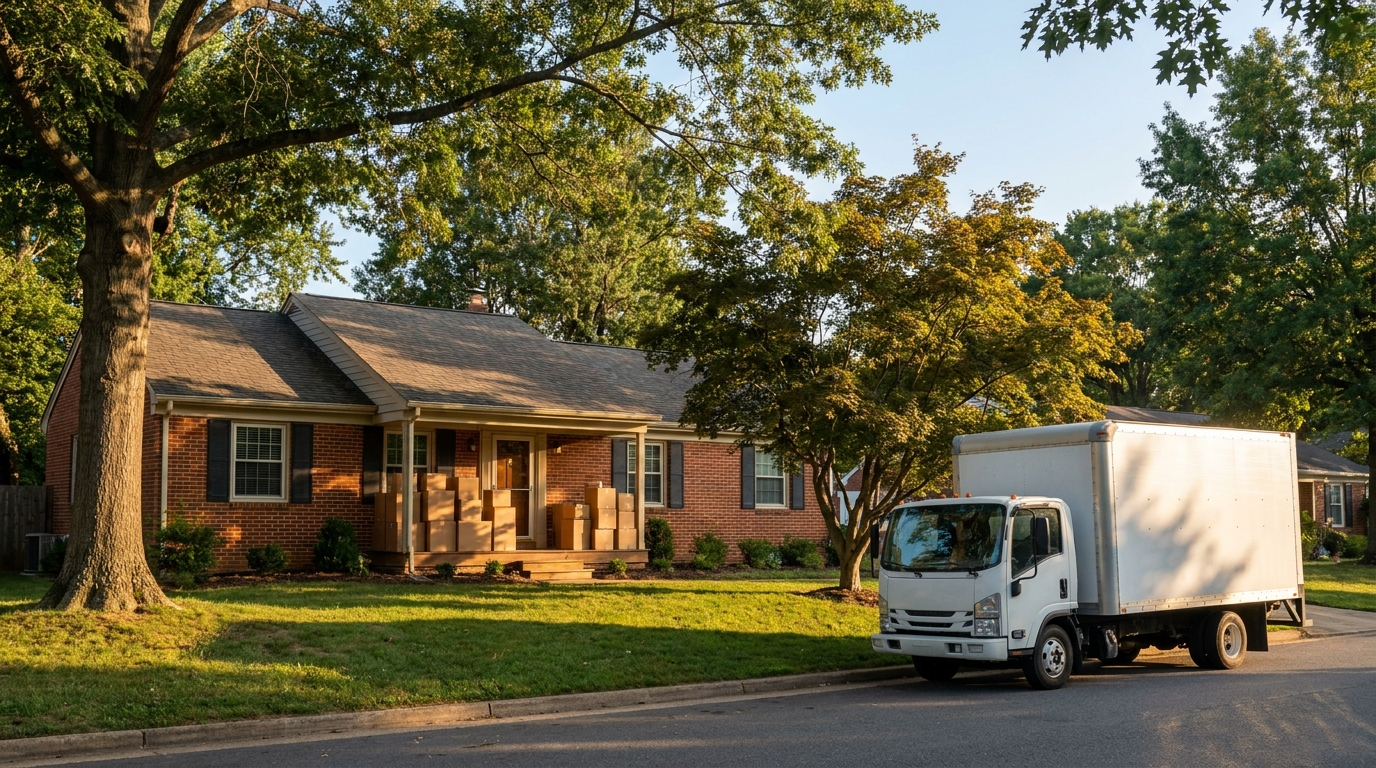
How to Sell and Buy a Home at the Same Time in Northern Virginia

Selling the home you own while buying the one you want is the single most common juggling act I help Northern Virginia homeowners with — and it feels far scarier than it actually is. In a market like ours, where well-priced homes in Fairfax, Loudoun, and Arlington counties still move in days rather than months, timing the two transactions is very doable with the right plan. Here is how I walk my clients through it, step by step.

Step 1: Know Your Numbers Before Anything Else

Everything starts with two figures: what your current home will realistically net after commissions and closing costs, and what you can comfortably afford on the next one. Get a professional opinion of value — not just an online estimate — because a $40,000 swing in your sale price changes your entire buying budget. You can start with a free home value analysis, then talk to a local lender about whether you qualify to carry two mortgages briefly or need the sale proceeds to close. In Fairfax County, where the median single-family home now trades well above $800,000, that equity is usually your biggest down-payment engine.

Step 2: Decide Whether to Sell First or Buy First

There is no universally right answer — only the right answer for your finances and risk tolerance.

  • Sell first if you need the equity to qualify. You will negotiate your purchase from a position of strength as a non-contingent buyer, which matters enormously in competitive pockets like Vienna, McLean, and Ashburn.
  • Buy first if you have strong income and savings. You move once, on your schedule, and can prep your old home for market while it is empty — vacant, staged homes often photograph and show better.
  • Do both simultaneously with coordinated settlement dates. This is the most common path for my clients, and it works when your listing is priced to attract an offer quickly.

Step 3: Use the Right Contract Tools

Northern Virginia contracts give you several levers to line the two deals up. A home sale contingency makes your purchase contingent on your current home selling — safest for you, though it weakens your offer in multiple-bid situations. A settlement coordination approach schedules both closings the same week, often the same day, with the same title company handling both files. And a rent-back agreement lets you sell, close, and then rent your home back from the buyer for up to 60 days while you finish your purchase — a tool NoVA buyers frequently offer to win listings. The right structure depends on how hot your price point is; my seller guide covers how each plays in the current market.

Step 4: Consider Bridge Financing if the Timing Gaps

If your dream home appears before your current one sells, a bridge loan or a home equity line of credit opened before you list can cover the down payment temporarily. These cost more in fees and interest, so I treat them as a backup plan rather than the strategy — but for buyers competing in low-inventory neighborhoods, having bridge approval in your back pocket means you never have to pass on the right house.

Step 5: Prep the Sale Like It’s the Main Event

Your sale sets the budget and the timeline for everything else, so make it count. Homes that are decluttered, deep-cleaned, and strategically updated sell faster and closer to (or above) list. Small projects — fresh paint, refinished floors, an updated kitchen — routinely return more than they cost here; my remodeling partners at EA Home Design help many of my sellers knock out high-ROI updates in the weeks before listing. If you are also shopping, get your buyer strategy in place at the same time so you can act the moment your home goes under contract.

Frequently Asked Questions

Should I sell first or buy first in the Northern Virginia market?

If you need your sale proceeds to qualify for the next mortgage, sell first — your offer will be stronger without a home sale contingency. If you have the income and reserves to briefly carry both homes, buying first lets you move once and list your home vacant and staged.

How long does it take to sell a home in Fairfax or Loudoun County?

Well-priced homes in Fairfax and Loudoun counties typically go under contract within one to two weeks, with settlement about 30 to 45 days later. Plan on roughly 45 to 60 days from listing to closing when coordinating a purchase.

What is a rent-back agreement and how long can it last?

A rent-back lets you close on your sale and then rent the home back from the buyer while you complete your purchase. In Virginia, rent-backs are commonly limited to 60 days so the buyer’s loan still qualifies as owner-occupied financing.

Can I make my offer contingent on selling my current home?

Yes — a home sale contingency is a standard addendum in Northern Virginia contracts. It protects you from owning two homes, but in competitive neighborhoods like Vienna, McLean, or Ashburn it can weaken your offer, so pricing and presentation of your listing become critical.

Do I pay capital gains tax when I sell my Northern Virginia home?

Most owner-occupants do not. If the home was your primary residence for two of the last five years, up to $250,000 of gain ($500,000 for married couples filing jointly) is excluded under federal law. Consult a tax professional for your specific situation.

Selling and buying at the same time is a sequencing problem — and sequencing is exactly what a good agent manages for you. If a move is on your horizon this year, let’s build your timeline together. Book a free consultation or call me directly at (571) 429-7477, and we’ll map out your sale, your search, and one smooth move.

Closing Costs in Northern Virginia: What Buyers and Sellers Really Pay

Ask most people what it costs to buy or sell a home and they’ll quote the price or the commission — and forget the thousands of dollars that change hands at the settlement table. In Northern Virginia, where a typical home in Fairfax, Loudoun, or Arlington County runs well into the high six figures, closing costs deserve a line in your budget from day one. Here’s a plain-English breakdown of who pays what, and where you can save.

What Buyers Pay at Closing in NoVA

Buyers in Northern Virginia should plan on roughly 2% to 3% of the purchase price in closing costs, on top of the down payment. On a $750,000 home in Fairfax or Ashburn, that’s about $15,000 to $22,000. The biggest pieces:

  • Lender fees — origination, underwriting, and points if you choose to buy down your rate.
  • Title charges — in Virginia, the buyer customarily pays for both the lender’s title insurance policy and the optional (but strongly recommended) owner’s policy, plus settlement agent fees.
  • Recordation taxes — Virginia charges a state recordation tax on the deed and the mortgage, and localities like Fairfax and Loudoun add a local portion on top.
  • Prepaids and escrows — several months of property taxes and homeowners insurance collected up front, plus prepaid interest.
  • Inspections and appraisal — typically paid before closing, but part of your real cash-to-close picture.

What Sellers Pay at Closing in NoVA

Seller-side costs are usually larger because they include compensation to agents, which is fully negotiable and agreed to in writing before your home is listed. Beyond that, Virginia sellers pay the grantor’s tax, and sellers in Northern Virginia pay an additional regional transportation fee that most of the rest of the state doesn’t — together these transfer taxes typically add up to a few thousand dollars on a NoVA sale. Add the settlement fee, deed preparation, mortgage payoff and release fees, and prorated property taxes, and most sellers net out several percent below the contract price. Before you list, it’s worth getting a real number: start with a free home value estimate and I’ll walk you through a full net-proceeds sheet line by line as part of my seller services.

Why Northern Virginia Is a Little Different

Two things surprise people who move here from other states. First, Virginia is an attorney-optional, settlement-agent state — most closings are handled by title companies, and you can shop for yours. Second, the regional transportation fee on sellers applies specifically to Northern Virginia jurisdictions, including Fairfax, Loudoun, Arlington, and Prince William counties and the cities within them. If you’ve sold a home in Richmond or out of state before, your NoVA settlement statement will look a bit different.

Five Ways to Lower Your Closing Costs

  • Negotiate a seller credit. Even in a competitive market, credits are common on homes that need work or have sat more than a couple of weeks.
  • Shop your title company. Settlement and title fees vary meaningfully between providers, and a reissue rate on title insurance can save hundreds if the seller bought recently.
  • Compare lender fee sheets, not just rates. Two identical rates can differ by thousands in origination charges and credits.
  • Ask about lender credits. Accepting a slightly higher rate in exchange for a credit can make sense if you plan to refinance or move within a few years.
  • Time your closing date. Closing late in the month reduces prepaid interest due at settlement.

First-time buyers should also ask about closing cost assistance — several Virginia Housing programs can help, and I cover them in my work with buyers across Fairfax, Loudoun, and Arlington.

Frequently Asked Questions

How much are closing costs for buyers in Northern Virginia?

Plan on roughly 2% to 3% of the purchase price, not counting your down payment. On a $750,000 home in Fairfax or Loudoun County, that’s about $15,000 to $22,000, driven mostly by lender fees, title insurance, recordation taxes, and prepaid taxes and insurance.

Who pays for title insurance in Virginia?

By local custom, the buyer pays for both the lender’s policy and the optional owner’s policy in Virginia. The owner’s policy is a one-time premium that protects your equity for as long as you own the home, and most NoVA buyers purchase it.

What taxes does a seller pay when selling a home in Fairfax, Loudoun, or Arlington?

Virginia sellers pay the grantor’s tax, and Northern Virginia sellers pay an additional regional transportation fee that applies in Fairfax, Loudoun, Arlington, and neighboring jurisdictions. Together these transfer taxes typically total a few thousand dollars on a typical NoVA sale price.

Can I roll closing costs into my mortgage?

On a standard purchase you generally can’t finance closing costs directly, but you can offset them with seller credits or lender credits, and some loan programs allow limited financing of fees. Your lender can model the options side by side.

Are real estate commissions negotiable in Northern Virginia?

Yes. Compensation for both listing and buyer agents is fully negotiable and must be agreed to in writing up front, so you’ll know exactly what you’re paying before your home hits the market or before you tour homes with an agent.

Closing costs shouldn’t be a surprise on settlement day. If you’re planning a purchase or sale anywhere in Fairfax, Loudoun, or Arlington County, I’ll give you a realistic, line-by-line estimate before you commit to anything. Book a free consultation or call me at (571) 429-7477 — I’m happy to run the numbers with you.

How to Stage Your Northern Virginia Home to Sell Faster and for More

When a home is priced right and shows well, it sells faster and for more — and in Northern Virginia’s competitive market, staging is one of the highest-return moves a seller can make before listing. Buyers here often tour a dozen homes in a single weekend, so the ones that feel bright, clean, and move-in ready are the ones that earn strong offers. Here is how to stage your Fairfax, Loudoun, or Arlington home so it stands out.

Why Staging Pays Off in Northern Virginia

Our buyers tend to be busy professionals, commuters, and dual-income households who want a home they can move into without a long to-do list. A staged home helps them picture their life in the space instead of the work it might need. It also matters online: the vast majority of Northern Virginia buyers start their search on a phone, so a home that photographs beautifully is what earns that first in-person tour. Homes that look cared for signal they have been maintained — an easy way to build buyer confidence before anyone walks through the door.

Start With Decluttering and a Deep Clean

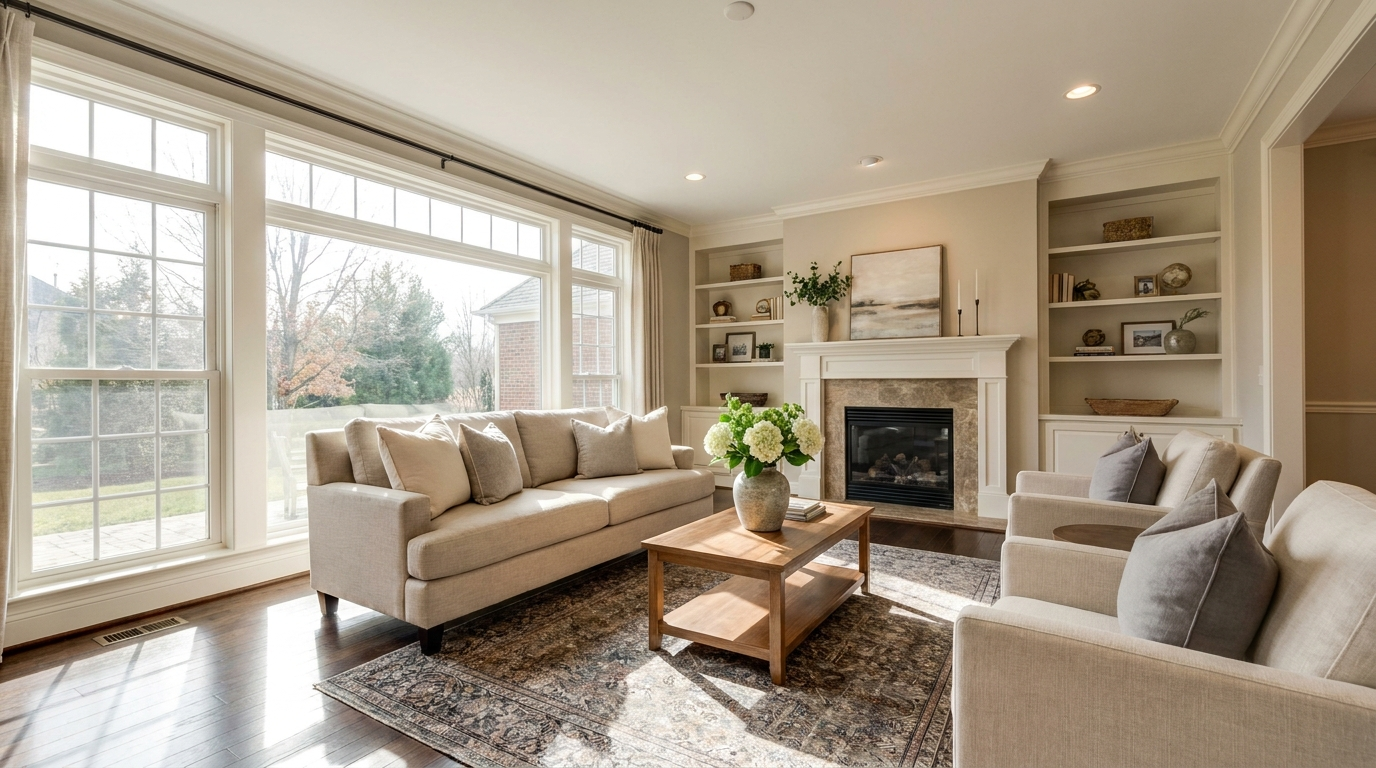
Before you buy a single new throw pillow, edit and clean. Decluttering makes rooms feel larger, and a spotless home reassures buyers about everything they cannot see. Work room by room and be ruthless — anything you will not need in the next two months can be packed and stored.

  • Clear kitchen and bathroom counters down to a few tasteful items.
  • Pack away about half of what is in your closets so they look spacious.
  • Depersonalize by removing family photos, collections, and fridge clutter.
  • Deep clean floors, windows, grout, and baseboards until everything shines.
  • Neutralize odors — pet areas and last night’s dinner are quiet deal-breakers.

Prioritize the Rooms That Drive Offers

You do not need to stage every square foot. Focus your energy and budget where buyers actually make decisions.

The Kitchen

Kitchens sell homes in Northern Virginia. Clear the counters, add a bowl of fresh fruit or a simple plant, swap dated cabinet hardware, and keep the sink empty and gleaming during every showing.

The Primary Bedroom and Bath

Create a calm, hotel-like retreat with neutral bedding, symmetrical nightstands, and soft lighting. In the bathroom, fresh white towels and a clean, uncluttered vanity go a long way.

Curb Appeal

First impressions start at the curb. Mow and edge the lawn, add fresh mulch and a few seasonal plants, paint a tired front door, and make sure the house numbers and entry are clean and welcoming — especially important for the many townhomes across Ashburn, Arlington, and Alexandria, where the front elevation is the whole first impression.

Keep It Light, Neutral, and Move-In Ready

Northern Virginia buyers respond to bright, neutral spaces they can make their own. Open the blinds, replace dim or mismatched bulbs with warm daylight LEDs, and consider a fresh coat of soft, neutral paint in high-traffic rooms. If your kitchen or bath feels dated, a targeted refresh often returns more than it costs — through our partnership with EA Home Design, I can help you scope cost-effective updates that appeal to today’s buyers without over-improving for the neighborhood. Not sure how far to go? A quick home value estimate lets us weigh the return before you spend a dollar.

Budget-Friendly Staging Wins

Great staging does not have to be expensive. A few high-impact, low-cost moves:

  • Rearrange existing furniture to open up walkways and show each room’s purpose.
  • Add fresh greenery, a few plants, or simple flowers for warmth.
  • Layer in neutral throw pillows, a cozy blanket, and a large area rug to define spaces.
  • Let the light in — clean the windows and open every curtain before showings.
  • Give that awkward nook a job: a small reading corner or a tidy home-office vignette.

Ready to Sell for Top Dollar?

Every home is different, and the right staging plan depends on your property, your price point, and your timeline. As a top-producing agent across Fairfax, Loudoun, and Arlington, I will walk your home room by room and build a custom prep plan that fits your budget. Explore my seller services or get to know the area in my Fairfax County guide, then let’s talk. Book a free consultation or call me directly at (571) 429-7477.

Frequently Asked Questions

How much does home staging cost in Northern Virginia?

Professional staging in Northern Virginia typically ranges from a few hundred dollars for a consultation to a few thousand for full staging with rented furniture, depending on home size. Many sellers capture most of the benefit by decluttering, deep cleaning, and restaging their own furniture with guidance from their agent.

Is staging worth it if my home needs updates first?

Often yes, but order matters. Small, high-impact updates like fresh neutral paint, updated lighting, and a kitchen or bath refresh usually come before staging, and I can connect you with our partner EA Home Design to scope cost-effective improvements that pay off at resale.

Should I stage an empty house or a lived-in one?

Both benefit from staging. Empty homes can feel cold and make it hard to judge scale, so light furnishings help, while lived-in homes usually need decluttering and depersonalizing so buyers can picture themselves in the space.

Does staging really help homes sell faster in Fairfax, Loudoun, and Arlington?

In our competitive market, staged homes tend to photograph and show better, which drives more showings and stronger offers. Since most Northern Virginia buyers start their search online, strong listing photos of a staged home are often what earn that first in-person tour.

What should I prioritize if I only have a small budget?

Focus on the kitchen, the primary bedroom, and curb appeal, then declutter every room and maximize natural light. These are the areas Northern Virginia buyers judge first, so a little effort there goes the furthest.

Which Home Improvements Add the Most Value in Northern Virginia?

Not every renovation pays you back at closing. In Northern Virginia’s competitive market, the smartest upgrades are the ones that match what Fairfax, Loudoun, and Arlington buyers already expect — and skip the ones that quietly drain your budget. If you’re weighing a project this summer, here’s where your remodeling dollars tend to work hardest in 2026.

Curb Appeal Wins Before Buyers Step Inside

From the tree-lined streets of Vienna to the newer communities around Ashburn and Brambleton, buyers form an opinion in the first ten seconds. That’s why exterior projects consistently return more of their cost than almost anything you can do indoors. A replacement garage door, a refreshed front entry, clean exterior paint, and simple, well-kept landscaping deliver outsized impact for a modest spend. Summer showings are unforgiving — overgrown beds, faded mulch, and a sun-bleached front door read as deferred maintenance, so a weekend of power-washing the siding and walkways, refreshing the mulch, and adding a few potted plants can make your listing photos pop before anyone reaches the door.

Kitchens and Baths Still Sell Homes — But Right-Size the Budget

Kitchens and bathrooms remain the rooms that close deals, but bigger isn’t always better for resale. A focused mid-range refresh almost always returns more than a full luxury gut renovation, where high-end finishes are hard to fully recoup. Think updated countertops, refreshed or refaced cabinets, modern hardware, current lighting, and a clean, neutral palette that photographs well.

  • New quartz or granite countertops with an updated backsplash
  • Cabinet refacing or a fresh coat of paint paired with modern hardware
  • Updated faucets, sinks, and energy-efficient lighting
  • Replacing dated tile or a tired vanity in the main bathroom

Just be careful not to over-improve past your neighborhood’s ceiling. A $90,000 chef’s kitchen rarely returns its full cost in a townhome community, even in a strong market — the comparable sales around you set the realistic limit on what buyers will pay. For clients weighing a larger kitchen, bath, or basement project, I often connect them with our partners at EA Home Design to scope the work realistically, and honestly, before they spend a dollar.

The Updates 2026 Buyers Quietly Expect

Many Northern Virginia buyers are relocating for government, military, or tech roles and shopping on tight timelines. They reward move-in-ready homes and discount anything that looks like a project. A handful of updates have quietly become baseline expectations: energy-efficient windows and an efficient HVAC system, fresh neutral paint, durable flooring like hardwood or luxury vinyl plank in place of worn carpet, and updated lighting throughout. A functional home-office nook is now a genuine selling point rather than a bonus.

Don’t Overlook the Basement

In much of Northern Virginia, a finished lower level is almost expected, and it’s one of the most cost-effective ways to add usable square footage. Turning an unfinished basement into a rec room, guest suite, or home gym can meaningfully widen your buyer pool, especially among families and multi-generational households moving into Fairfax and Loudoun. You don’t always need a full build-out: new flooring, fresh paint, brighter lighting, and a tidy, well-organized space can transform how the level shows. If you do finish it, keep the design neutral and flexible so buyers can picture their own use.

Quick Wins Under $2,000

Not ready for a major project? These low-cost updates punch well above their weight:

  • Fresh neutral paint in the main living areas
  • Updated cabinet hardware and modern light fixtures
  • A professional deep clean and carpet shampoo
  • New front-door hardware, house numbers, and a welcoming entry
  • Decluttering, fresh mulch, and trimmed landscaping

Should You Improve, or Sell As-Is?

Sometimes the best return comes from not renovating at all. If your home already fits what buyers want, pouring money into upgrades can cost you time and negotiating leverage. Before you invest, it’s worth knowing your home’s current value and getting an honest walk-through of what will, and won’t, move the needle. When you’re ready to list your home, I’ll tell you candidly which projects are worth doing and which to skip.

Frequently Asked Questions

Which home improvements add the most value in Northern Virginia?

Exterior and curb-appeal projects — a new garage door, refreshed front entry, fresh paint, and clean landscaping — tend to return the most relative to cost, followed by mid-range kitchen and bathroom refreshes. Finished basements also add highly desirable living space for Fairfax and Loudoun buyers.

Should I renovate before selling or sell my home as-is?

It depends on your home’s condition and the comparable sales in your neighborhood. Sometimes light updates win you more than a major renovation, and occasionally selling as-is is the smarter move. Start with a current home value and an honest walk-through before you spend.

Do kitchen remodels pay off in Northern Virginia?

Usually yes, but a focused mid-range refresh typically returns more than a high-end gut renovation. Avoid over-improving past your neighborhood’s price ceiling, since nearby comparable sales cap what buyers will pay.

How much should I spend on improvements before listing?

Tie your budget to your neighborhood’s price ceiling. In many cases, quick wins under $2,000 — fresh neutral paint, updated hardware and lighting, a deep clean, and tidy landscaping — deliver the best return per dollar.

Let’s Map Out Your Highest-Return Improvements

Thinking about selling this year, or simply want to know where your equity stands? Book a free consultation and I’ll help you map out the upgrades that make the most sense for your specific home and neighborhood — no pressure, just honest guidance. Call or text me directly at (571) 429-7477, and let’s make a confident, profitable move together.

Selling Your Northern Virginia Home This Summer: A Seller’s Playbook

Summer is one of the busiest stretches of the Northern Virginia real estate calendar, but a warm market doesn’t guarantee a fast, top-dollar sale. Buyers across Fairfax, Loudoun, and Arlington have more inventory to compare in June, July, and August, so the homes that are priced, prepped, and presented well are the ones that rise above the rest. If you’re planning to list in the next few weeks, here’s a practical playbook to help you sell with confidence this season.

Why Summer Still Sells in Northern Virginia

Summer demand here is driven by timing as much as weather. Families want to be settled before the new school year, and our region sees a steady stream of relocations tied to federal agencies, government contractors, and the growing tech and data-center corridor that runs from Tysons out to Ashburn. Longer daylight hours make weekday evening showings easy, which widens the pool of buyers who can tour your home. The trade-off is more competition: active listings tend to peak in early summer, so a thoughtful strategy matters more than ever.

Price It Right From the First Weekend

The first ten to fourteen days on the market are when your home draws the most attention. Price it too high hoping to “leave room to negotiate,” and you risk sitting unsold while fresher listings steal the spotlight — which almost always leads to a price cut and a softer final number. The smarter move is to study recent, comparable sales in your specific neighborhood and price in line with what buyers are actually paying right now. If you’re not sure where your home stands, start with a current estimate of your home’s value, then we’ll refine it together with a detailed market analysis.

Summer Staging That Makes Buyers Say Yes

Northern Virginia summers are green, bright, and humid — your staging should lean into the first two while managing the third. A few high-impact moves go a long way:

  • Win at the curb: fresh mulch, a neatly trimmed lawn, and a pair of potted plants by the entry create an instant first impression.
  • Keep it cool: set the air conditioning to a comfortable 70–72°F so buyers linger instead of hurrying out of a stuffy house.
  • Let the light in: open the blinds, clean the windows, and swap heavy drapes for sheer panels to show off natural light.
  • Declutter and neutralize: pack away personal photos and excess furniture so buyers can picture their own lives in the space.
  • Sell the outdoors: stage the deck, patio, or porch as a true living area — in summer it reads as bonus square footage.

Time Your Listing Around Buyer Behavior

Launch day matters. Going live on a Thursday positions your listing at the top of searches heading into the weekend, when most buyers tour. Try to avoid debuting over a major holiday like the Fourth of July, when attention drifts to travel and cookouts. And keep the school-calendar clock in mind: buyers with children are most motivated from late spring through mid-summer, so an earlier-summer listing often captures that urgency before many families pause their search in August.

Pre-Listing Updates With the Best Payback

You don’t need a full renovation to compete. The updates that consistently return the most in our market are the visible, move-in-ready ones: fresh neutral paint, updated light fixtures, refreshed kitchens and baths, and clean, modern flooring. If your home needs more than cosmetic work, my partnership with EA Home Design makes it easy to scope a targeted, ROI-focused remodel before you list — so you improve where it counts without over-investing for the neighborhood. Buyers shopping established communities in Ashburn and beyond increasingly expect turnkey, so even modest upgrades can shorten your days on market.

Your Next Step

Selling well in a busy season comes down to preparation, pricing, and presentation — and you don’t have to figure it out alone. As a top-producing agent serving Fairfax, Loudoun, and Arlington, I’ll guide you through every step, from a custom pricing strategy to staging and marketing your home to the right buyers. Explore my seller services, then book a free consultation or call me directly at (571) 429-7477. Let’s make this the summer your home sells.