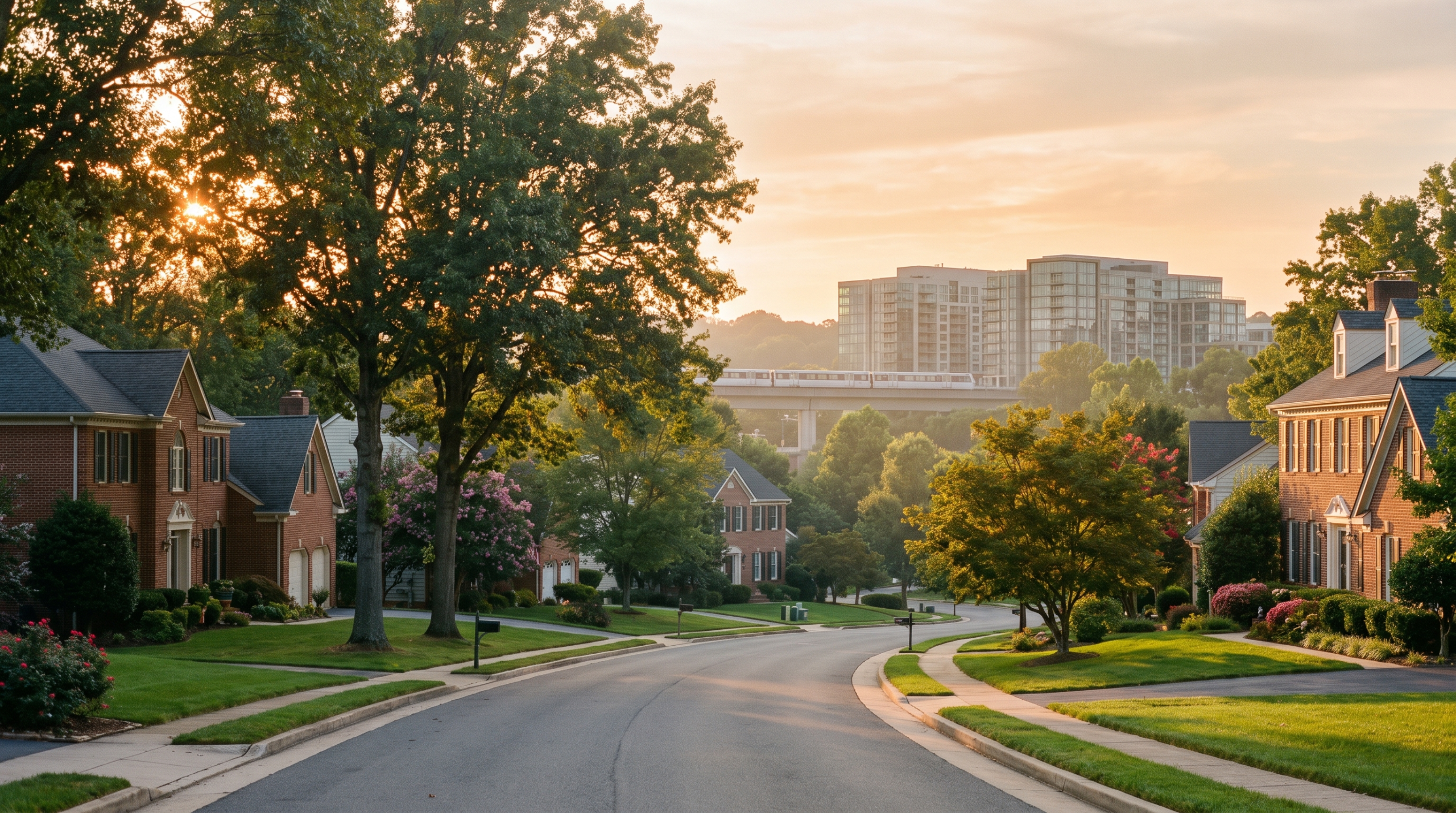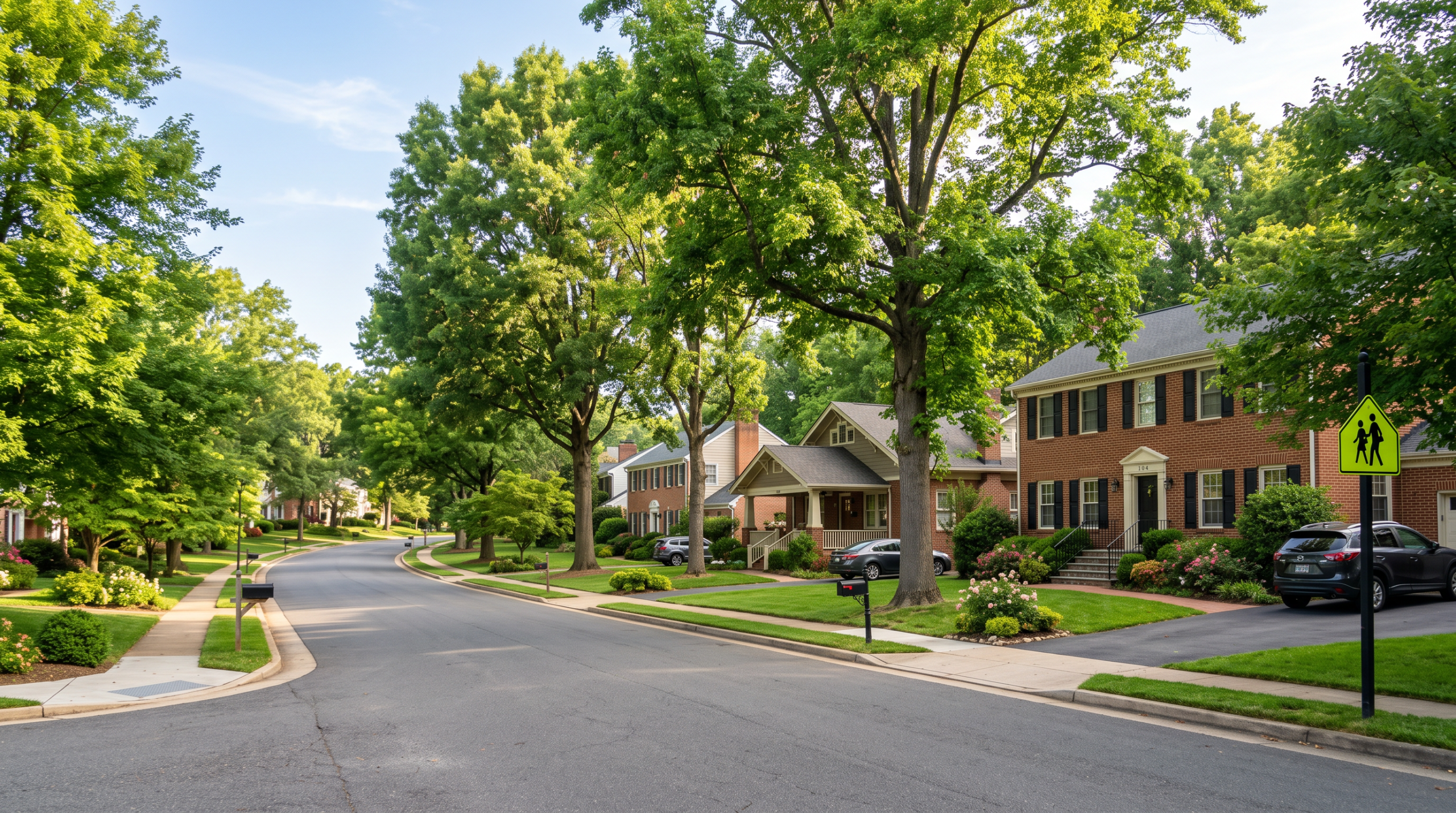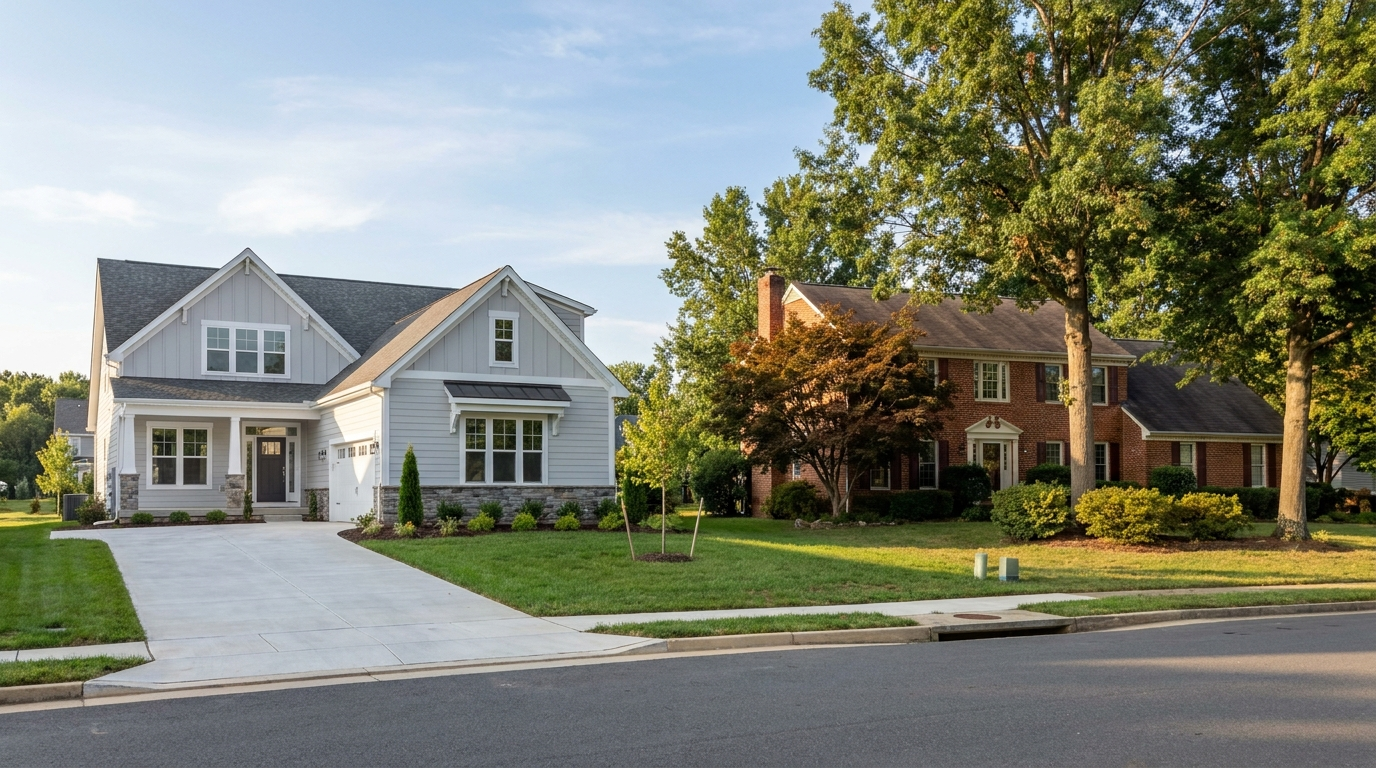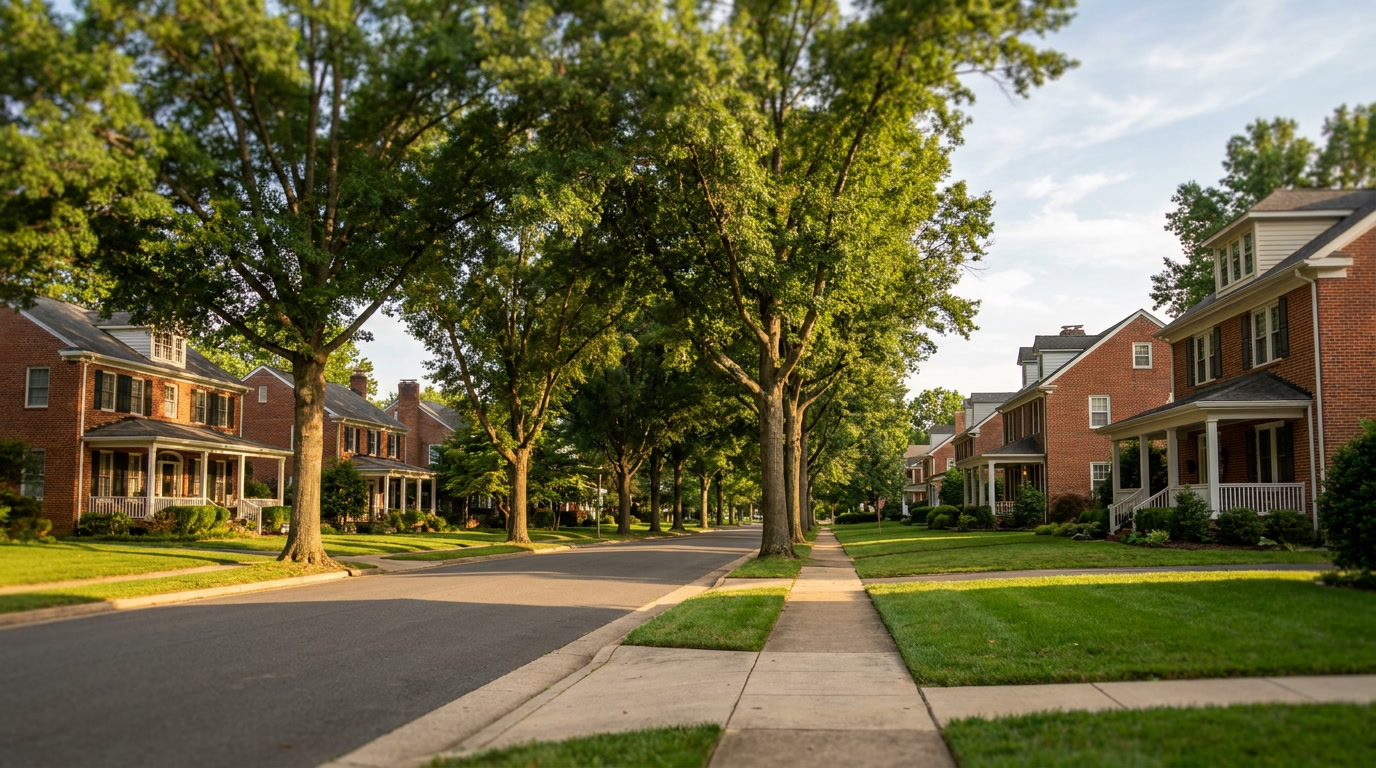
Buying a Home in Reston, VA: Lakes, Villages, and What to Know in 2026

Reston isn’t just another Fairfax County suburb — it’s one of America’s first planned communities, built around the idea that you should be able to live, work, and play in the same place. Six decades later, that vision still shapes daily life here: four lakes, more than 50 miles of wooded trails, village centers within walking distance of most homes, and two Silver Line Metro stations connecting you straight to Tysons and DC. If you’re comparing Northern Virginia communities in 2026, Reston deserves a serious look — and a little insider knowledge before you make an offer.

Why Reston Feels Different from the Rest of Fairfax County

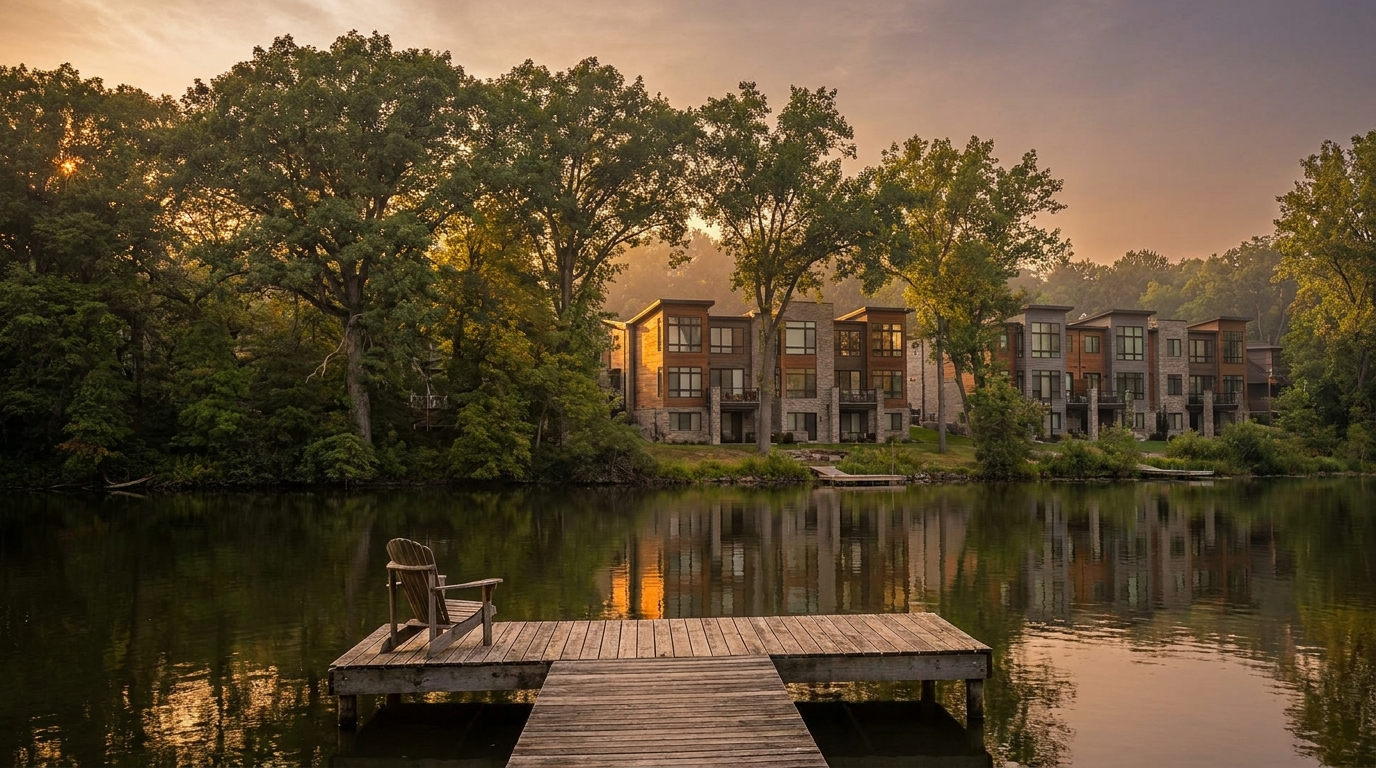
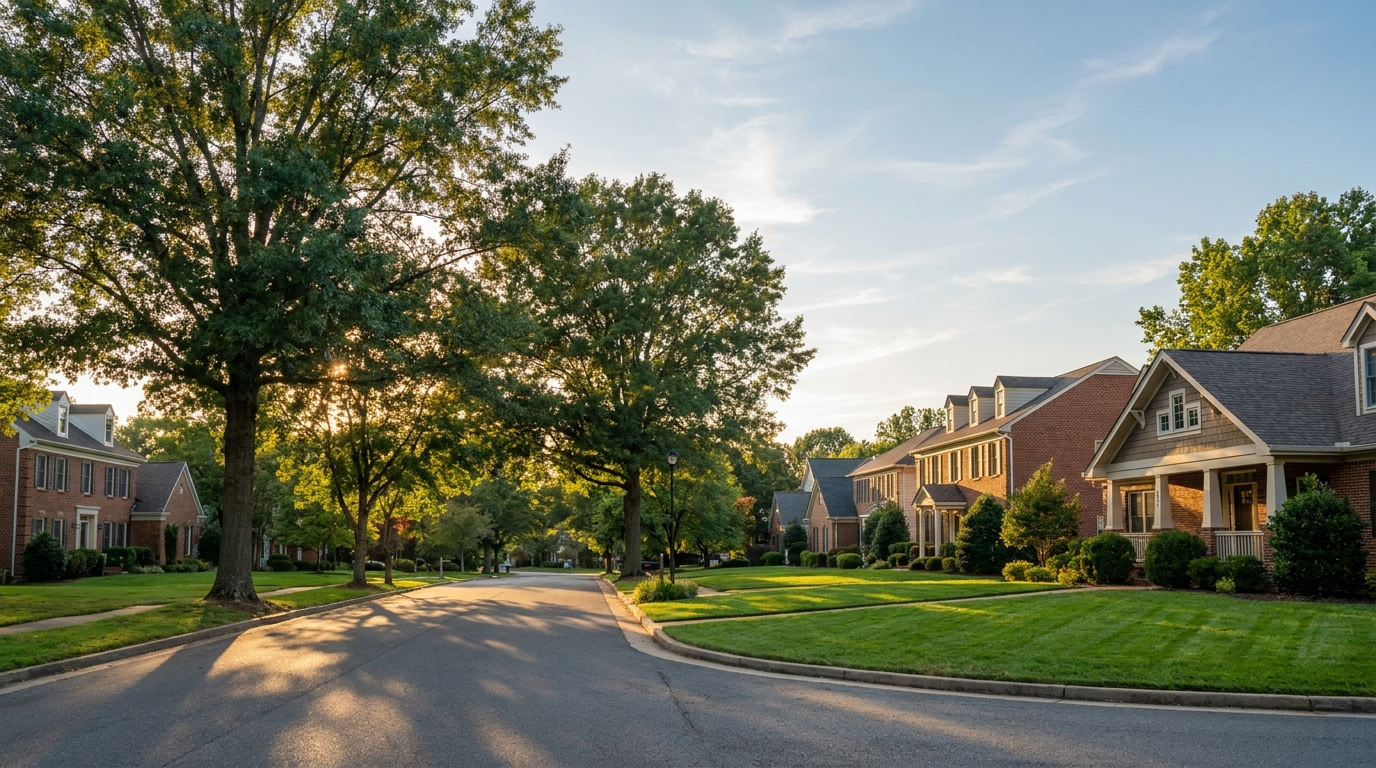
Most NoVA suburbs grew subdivision by subdivision. Reston was master-planned from the start in the 1960s, and it shows. Neighborhoods are organized into villages, each anchored by a village center with shops and restaurants. Tot lots, pools, tennis and pickleball courts, and community docks are woven throughout, and mature tree cover gives even townhome clusters a park-like feel. Reston Town Center adds an urban core — offices, restaurants, a cinema, and year-round events — that few suburban communities in the region can match.

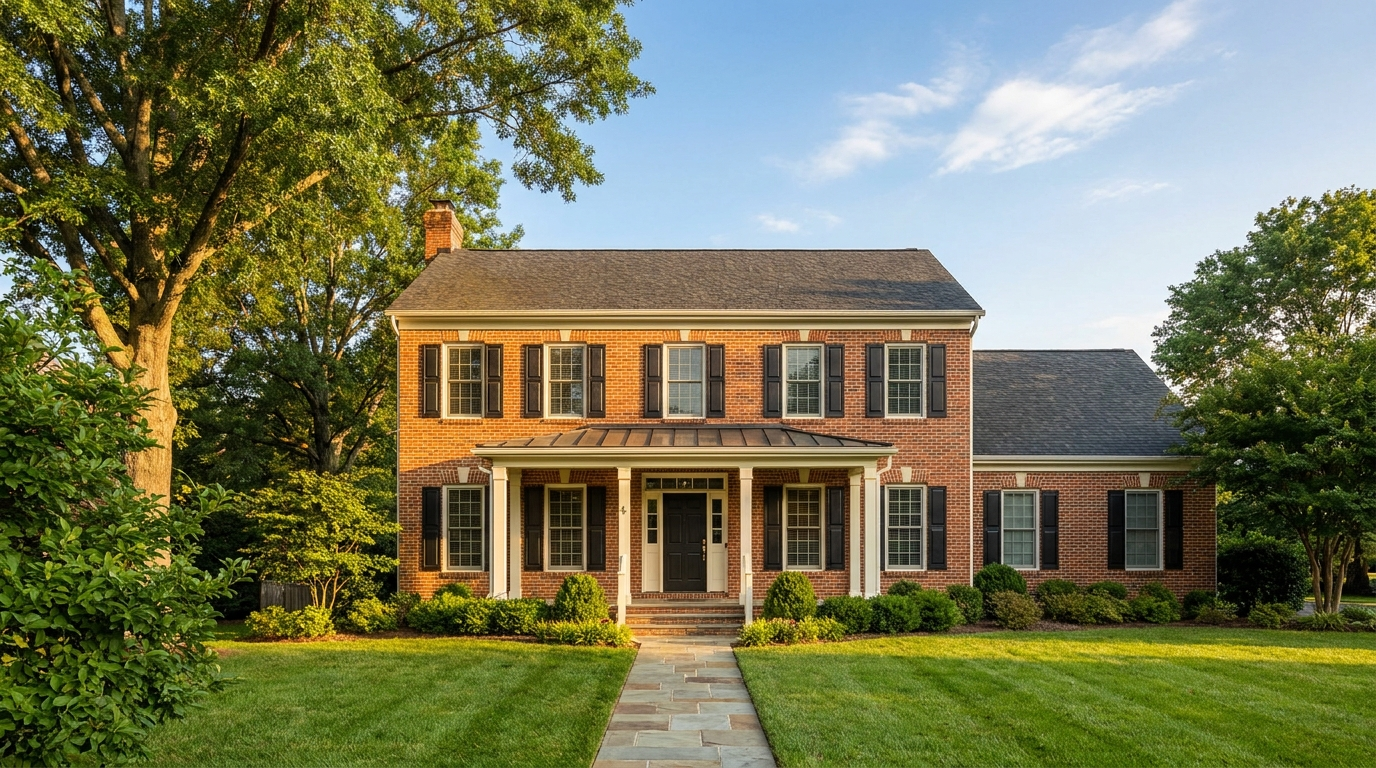
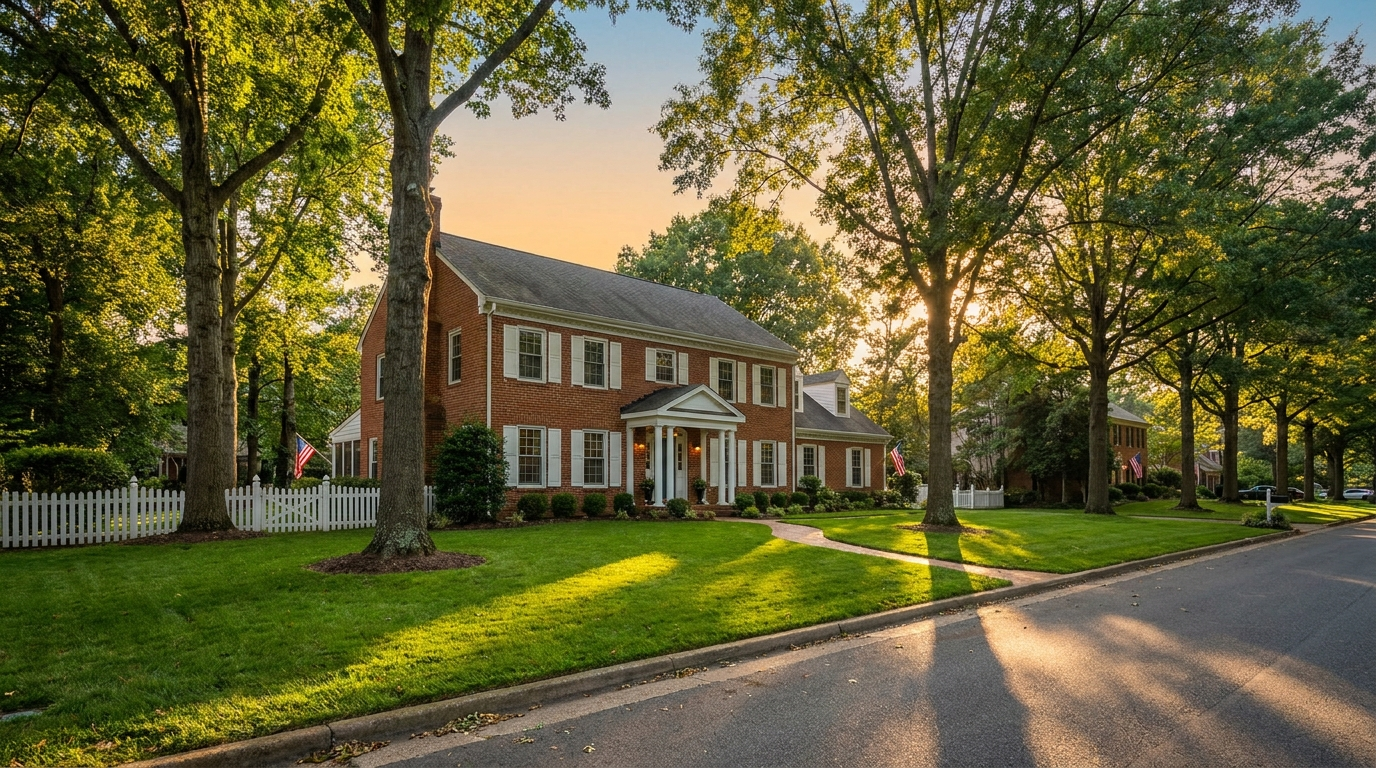
For buyers, the practical upshot is variety. Within a couple of miles you can find a high-rise condo near the Metro, a 1970s contemporary townhome backing to a lake, or a brick colonial on a cul-de-sac. That range means Reston works for first-time buyers, move-up families, and downsizers alike.

The Villages and Neighborhoods Buyers Ask About Most

A few areas come up in nearly every Reston home search:

  • Lake Anne: The original 1960s heart of Reston, with its iconic plaza, waterfront condos and townhomes, and a beloved Saturday farmers market. Mid-century modern character you won’t find elsewhere in NoVA.
  • South Lakes: Wooded streets around Lake Thoreau and Lake Audubon — many townhomes and single-family homes here have water views or dock access.
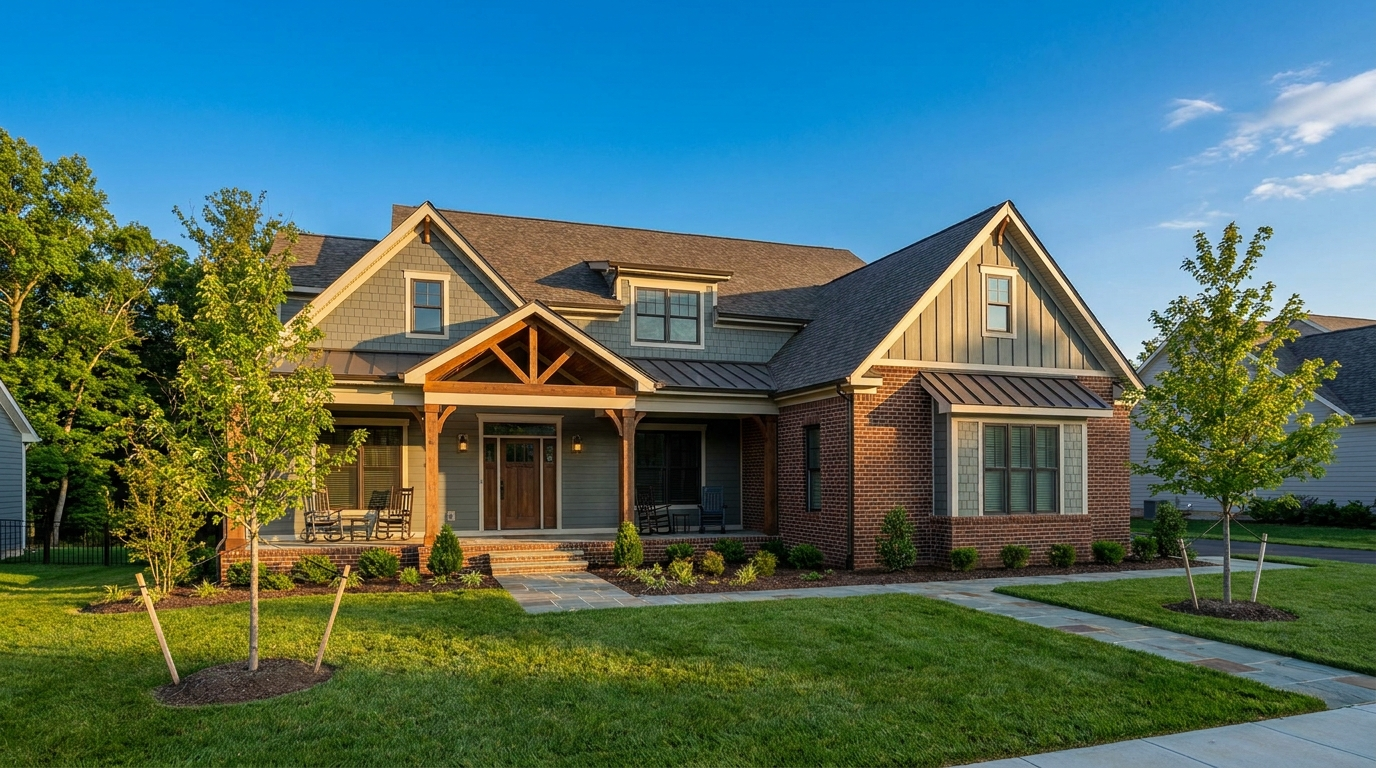
  • North Point: Newer construction by Reston standards (1980s–90s), popular with families for its larger single-family homes and easy access to Route 7 and Great Falls.
  • Reston Town Center & Metro corridor: Modern condos and apartments within walking distance of the Reston Town Center and Wiehle-Reston East Silver Line stations — the go-to zone for commuters and low-maintenance living.

What Homes Cost in Reston in 2026

Reston’s price range is unusually wide, which is part of its appeal. As a general guide: condos often start in the high $200s to low $400s depending on age and Metro proximity, townhomes commonly trade from the low $500s into the $800s (lakefront commands a premium), and detached single-family homes typically run from the $800s to well over $1.5 million in North Point and near the lakes. Because condition, HOA structure, and location within Reston move prices significantly, lean on a local pricing analysis rather than a Zestimate — you can request a free home value and market report here if you’re also selling.

Know the Reston Association Before You Write an Offer

Most (though not all) Reston properties fall under the Reston Association, the community-wide organization that maintains the trails, pools, lakes, and common grounds. The annual RA assessment has run in the ballpark of $850 per household in recent years — modest for what it delivers, but it’s in addition to any cluster or condo association fee for your specific neighborhood. When you’re budgeting, stack all three: RA assessment, cluster/condo fee, and Fairfax County property taxes. Your agent should pull the resale disclosure packet early so you can review RA covenants — exterior changes like fences, decks, and even paint colors typically need Design Review Board approval.

Commuting: The Silver Line Changed the Math

With both the Wiehle-Reston East and Reston Town Center stations open, Reston now offers a one-seat Metro ride to Tysons, Arlington, and downtown DC — and Dulles Airport is about 10 minutes west. Homes within walking distance of a station carry a price premium but also tend to hold value well. If you’re moving to the area for work and weighing Reston against neighboring communities, our relocation guide for Northern Virginia walks through the trade-offs, and nearby Herndon is worth a look if you want similar access at a slightly lower price point.

Tips for Winning a Home in Reston This Year

Inventory in the most walkable pockets stays tight, so preparation matters. Get fully underwritten pre-approval before you tour, ask your agent to review the RA and cluster documents during — not after — your contingency window, and don’t rule out 1970s–80s contemporaries: many have been beautifully updated, and those that haven’t can be strong value plays if you budget for renovation. Our buyer services page explains how we structure competitive offers in Fairfax County without taking on reckless risk.

Frequently Asked Questions

Is Reston a good place to buy a home in 2026?

Yes — Reston combines Metro access, extensive amenities, and a wide price range, and demand in walkable areas near the Silver Line remains steady. Buyers who prepare financing early and understand Reston Association rules are best positioned in this market.

How much does a home in Reston cost?

As a general 2026 guide, condos often start in the high $200s to low $400s, townhomes commonly range from the low $500s to the $800s, and single-family homes run from the $800s to over $1.5 million. Location within Reston, lake proximity, and Metro walkability drive large price differences.

What does the Reston Association fee cover?

The annual Reston Association assessment — roughly $850 per household in recent years — funds the community’s pools, tennis courts, 50-plus miles of trails, lakes, and common areas. Many properties also pay a separate cluster or condo association fee on top of it.

Which Reston neighborhoods are best for commuters?

Homes near the Wiehle-Reston East and Reston Town Center Metro stations offer the easiest commutes, with a one-seat Silver Line ride to Tysons, Arlington, and downtown DC. South Lakes and Lake Anne are also convenient, typically within a short drive or bus ride of a station.

Thinking about buying in Reston — or deciding between Reston, Herndon, and Ashburn? I help buyers across Fairfax and Loudoun counties compare communities, spot fairly priced homes, and write offers that win. Book a free consultation or call me at (571) 429-7477 and let’s talk about what fits your budget and lifestyle.

The Best Time to Sell Your Home in Northern Virginia: A Season-by-Season Guide

Ask ten NoVA homeowners when to list and you’ll hear the same answer: spring. It’s not wrong — but it’s incomplete. In a market shaped by federal hiring cycles, school calendars, and chronically tight inventory across Fairfax, Loudoun, and Arlington counties, the “right” time to sell depends as much on your situation as on the season. Here’s how each window really performs, and how to make the most of whichever one you choose.

Spring: The Classic Peak (March Through May)

Spring earns its reputation. Buyer demand in Northern Virginia builds from late February and peaks between late March and May, when families want to close before the new school year and relocating professionals start house-hunting ahead of summer job moves. Well-priced homes in commuter-friendly areas — Vienna, Ashburn, Arlington’s Metro corridors — routinely go under contract in the first one to two weeks, often with multiple offers.

The tradeoff: competition. Spring is also when the most listings hit the market, so your home is judged against fresh, well-staged inventory. If your home needs work, a rushed spring listing can underperform a well-prepared summer one.

Summer: Two Different Markets

Early summer (June to mid-July) is essentially an extension of spring — school’s out, weather cooperates, and relocation buyers with firm start dates are motivated and decisive. Late summer slows as vacations thin out showing traffic, but the buyers who remain tend to be serious, especially military and government families working against PCS orders and fall start dates.

If you’re listing in late summer, pricing precisely matters more than ever. Start with an honest look at your number — you can get a data-driven estimate through my free home value analysis before you commit to a strategy.

Fall: The Overlooked Window

September and October are the sleeper season in NoVA. Inventory drops faster than demand does, which means less competition for your listing. Buyers touring homes in October aren’t browsing — they want to be settled by the holidays. Homes show beautifully against fall foliage in neighborhoods like Vienna, McLean, and Leesburg, and the federal fiscal-year turnover in October brings a fresh wave of relocating professionals to the area.

Winter: Fewer Buyers, More Serious Ones

Listing between Thanksgiving and mid-February means fewer showings — but almost no casual ones. Winter buyers are typically relocating for work, adjusting after a life change, or racing a lease expiration. With inventory at its annual low, a move-in-ready home can command surprisingly strong terms. January in particular often surprises sellers: buyers who resolved to “buy this year” come out early, while most sellers are still waiting for spring.

What Matters More Than the Calendar

In fifteen-plus years of NoVA sales data, three factors consistently outweigh the listing month:

  • Condition: Updated kitchens and baths drive the strongest returns here. Through my partnership with EA Home Design, I can help you target pre-sale improvements that actually pay back — and skip the ones that don’t.
  • Pricing strategy: A home priced right for its micro-market sells in any month; an overpriced home sits in every month.
  • Preparation: Professional photos, staging, and pre-listing repairs matter more than a two-week timing difference ever will.

And if you’re selling and buying at the same time — as most NoVA move-up sellers are — the “best” season is the one that aligns both transactions. My seller services and buyer services are built to coordinate exactly that.

Frequently Asked Questions

What month do homes sell fastest in Northern Virginia?

Late March through May is typically the fastest window in Fairfax, Loudoun, and Arlington counties, with well-priced homes often going under contract within one to two weeks. April and May usually see the strongest combination of speed and sale price.

Is fall a bad time to sell a home in NoVA?

No — September and October often work in a seller’s favor because inventory falls faster than buyer demand. Fall buyers in Northern Virginia tend to be serious, and the October federal fiscal-year turnover brings new relocation buyers into the market.

Should I wait until spring to list my home?

Not necessarily. If your home is move-in ready, winter and early fall listings face far less competition, and January often brings motivated buyers while most sellers are still waiting. Condition and pricing affect your result more than the listing month.

How long does it take to sell a home in Northern Virginia?

In a typical season, a well-prepared, well-priced home in Fairfax, Loudoun, or Arlington goes under contract in roughly two to four weeks, followed by 30 to 45 days from contract to closing. Peak spring weeks can compress that first stage to just days.

Ready to Time Your Sale Right?

Whether you’re aiming for the spring rush or a quiet-market advantage this fall, the best first step is a conversation about your home, your timeline, and your numbers. Book a free consultation or call me directly at (571) 429-7477 — I’ll help you pick the window that puts the most money in your pocket with the least stress.

Property Taxes in Northern Virginia: How Fairfax, Loudoun, and Arlington Compare in 2026

When buyers compare homes in Northern Virginia, they usually focus on price, schools, and commute — and overlook the line item that quietly shapes their monthly payment for as long as they own the home: property taxes. The same $800,000 house can cost you roughly $200 more per month in one county than another, purely because of where the boundary lines fall. Here is how Fairfax, Loudoun, and Arlington stack up in 2026, and what it means for your budget.

How Property Taxes Work in Northern Virginia

Virginia localities tax real estate based on assessed value. Each county assesses your home as of January 1 every year, then applies its tax rate per $100 of assessed value. If your home is assessed at $800,000 and the rate is $1.00 per $100, your annual bill is $8,000. Most homeowners never write that check directly — lenders typically collect one-twelfth of the bill with each mortgage payment and pay the county from escrow. That is exactly why the rate matters when you are shopping for a home: it is baked into the monthly payment you qualify for.

2026 Tax Rates: Fairfax vs. Loudoun vs. Arlington

Here are the base real estate tax rates for 2026:

  • Fairfax County: $1.1225 per $100 of assessed value. On an $800,000 home, that is about $8,980 per year. Some areas also pay small additional levies for stormwater or special service districts.
  • Arlington County: $1.053 per $100, after the County Board approved a 2-cent increase this spring. An $800,000 home runs about $8,424 per year.
  • Loudoun County: $0.805 per $100 — the lowest of the three, and a rate that has come down meaningfully over the past several years. That same $800,000 home costs about $6,440 per year.

The spread is real money. Between Fairfax and Loudoun, the difference on an $800,000 home is roughly $2,540 a year — about $212 a month. Over a ten-year ownership horizon, that is more than $25,000, before any assessment growth.

What the Rate Doesn’t Tell You

A lower rate does not automatically mean a lower bill. Assessments matter just as much: a fast-appreciating neighborhood can see its tax bill climb even in a year when the county trims the rate. And a few local wrinkles catch buyers off guard:

  • Town taxes: If you buy inside an incorporated town — Vienna or Herndon in Fairfax County, Leesburg in Loudoun — you pay a town real estate tax on top of the county rate, in exchange for town services.
  • Special tax districts: Parts of Fairfax and Loudoun pay extra levies for Metro’s Silver Line corridor and Route 28 improvements. Communities like Ashburn are unincorporated, so there is no town tax, but always check whether a listing sits in a special district.
  • Tax relief programs: All three counties offer real estate tax relief for qualifying seniors and residents with disabilities — worth investigating if you or a family member qualifies.

How to Factor Taxes Into Your Home Search

When you compare two homes at the same list price in different counties, run the full monthly payment, not just principal and interest. A Loudoun home at $825,000 can carry a lower all-in payment than a Fairfax home at $800,000. If you already own here, it is also worth checking whether your assessment reflects reality — if comparable sales suggest your home is assessed too high, every county has an appeal process, and a successful appeal lowers your bill. Start by checking what your home is actually worth today.

Property taxes are one of a dozen location-specific factors I walk clients through when we compare neighborhoods — alongside schools, commute, HOA fees, and resale trends. If you are weighing Fairfax against Loudoun or Arlington and want a clear-eyed comparison for your specific budget, book a free consultation or call me at (571) 429-7477. I am happy to run the numbers with you.

Frequently Asked Questions

Which Northern Virginia county has the lowest property tax rate in 2026?

Loudoun County, at $0.805 per $100 of assessed value — well below Arlington ($1.053) and Fairfax County ($1.1225). On an $800,000 home, Loudoun’s bill is roughly $2,500 per year less than Fairfax County’s.

How are property taxes calculated in Northern Virginia?

Each county assesses your home’s value as of January 1, then multiplies that assessment by the local rate per $100 of value. An $800,000 assessment in Fairfax County at $1.1225 per $100 works out to about $8,980 per year, usually collected monthly through your mortgage escrow.

Do I pay extra taxes if I live in a town like Vienna or Leesburg?

Yes. Incorporated towns such as Vienna and Herndon in Fairfax County and Leesburg in Loudoun County levy their own real estate tax on top of the county rate. Unincorporated communities like Ashburn, McLean, and Reston pay only the county rate plus any special district levies.

Can I appeal my property tax assessment in Northern Virginia?

Yes. Fairfax, Loudoun, and Arlington all allow homeowners to appeal, first through an administrative review with the assessor and then to the Board of Equalization. Appeals are worth pursuing when recent comparable sales show your assessment is higher than market value.

When are property taxes due in Fairfax, Loudoun, and Arlington?

All three counties bill in two installments: Fairfax County payments are due July 28 and December 5, Loudoun County’s are due June 5 and December 5, and Arlington’s are due June 15 and October 5. If you have a mortgage escrow, your lender handles the payments for you.

Buying New Construction in Loudoun County: What to Know Before You Visit the Model Home

Loudoun County is one of the busiest new-construction markets on the East Coast. From Brambleton and Ashburn to the fast-growing communities around Aldie and Leesburg, builders are delivering thousands of new homes a year — and buyers are often surprised by how different the process is from buying a resale. Before you tour your first model home, here is what Northern Virginia buyers should understand about contracts, pricing, and negotiating with builders.

Why Loudoun County Is NoVA’s New-Construction Hub

Most of Fairfax and Arlington is built out, so the majority of new single-family homes and townhomes in Northern Virginia are rising in Loudoun — along the Dulles Greenway corridor, near the Silver Line Metro stations in Ashburn, and in master-planned communities like Brambleton. New townhomes in Loudoun typically start in the $600s–$700s, while new single-family homes commonly run from the $900s well past $1.5 million depending on the community and lot. If you want newer schools, modern floor plans, and lower maintenance for the first decade of ownership, this is where to look.

The Builder’s Sales Rep Works for the Builder — Bring Your Own Agent

The friendly consultant in the model home is a licensed agent representing the builder, not you. Builders in Northern Virginia almost always compensate a buyer’s agent, and your price does not go up for having one — but you generally must register your agent on your first visit. Your agent can flag which incentives are actually negotiable, which lots have grading or noise issues, and how a community’s resale values have held up. If you’re weighing new construction against resale, start with our buyer services page to see how we guide the whole process.

The Model Home Is Not the Base Price

Model homes in Brambleton or Ashburn are typically loaded with $100,000–$250,000 in upgrades: gourmet kitchens, finished basements, extended sunrooms, designer trim. The advertised “from” price is a base house on the least expensive lot. Budget realistically for structural options (the ones you can’t add later — extra bedrooms, morning rooms, higher basement ceilings) and be more selective with finishes. Flooring, lighting, and even kitchens can often be upgraded after closing for less — our remodeling partner EA Home Design handles many of these projects for Loudoun homeowners at a fraction of some builder option prices.

Yes, You Still Need Inspections

New does not mean flawless. Homes built in months, by many subcontractors, benefit from a pre-drywall inspection (checking framing, plumbing, and electrical before walls close up), a pre-settlement inspection, and an 11-month walkthrough before the builder’s one-year warranty expires. Most Loudoun builders allow independent inspections — if one resists, consider that a signal.

How to Actually Negotiate with a Builder

Builders protect their base prices because every sale sets a comp for the community. But they negotiate in other ways:

  • Closing cost credits — often $10,000–$30,000 when you use the builder’s affiliated lender; always compare that lender’s rate against outside quotes.
  • Design center or option credits — free or discounted upgrades instead of price cuts.
  • Rate buydowns — many national builders in Loudoun advertise below-market financing on quick move-in homes.
  • Timing — end of quarter and end of fiscal year are when sales managers stretch to hit targets, and standing inventory (“spec”) homes have the most room.

If you own a home now and need to sell first, know your numbers early — get a free estimate with our home value tool so you can time both sides confidently.

Frequently Asked Questions

Do I pay more if I use my own agent on new construction in Loudoun County?

No. Builders set aside compensation for buyer agents in their pricing, and they will not discount the home if you come unrepresented. Just make sure your agent registers with the builder on or before your first model home visit.

How long does it take to build a new home in Northern Virginia?

A to-be-built single-family home in Loudoun County typically takes 8–12 months from contract to closing, while townhomes often run 6–9 months. Quick move-in (spec) homes can close in 30–60 days.

Can I negotiate the price of a new construction home?

Base prices rarely move, but buyers regularly secure $15,000–$50,000 in value through closing cost credits, design center credits, mortgage rate buydowns, and discounts on standing inventory — especially at the end of a builder’s quarter.

Should I get a home inspection on a brand-new house?

Yes. A pre-drywall inspection, a pre-settlement inspection, and an 11-month warranty inspection routinely catch issues from missing insulation to HVAC defects while the builder is still obligated to fix them.

Thinking about new construction in Ashburn, Brambleton, Leesburg, or anywhere in Northern Virginia? I walk buyers through builder contracts, lot selection, and negotiation every week — and I’d love to help you compare new versus resale for your situation. Book a free consultation or call me at (571) 429-7477.

Buying a Home in Ashburn, VA: Neighborhoods, Prices, and What to Know in 2026

Ashburn has grown from quiet Loudoun County farmland into one of Northern Virginia’s most in-demand addresses — and once you spend a Saturday at One Loudoun or on the W&OD Trail, it’s easy to see why. But “Ashburn” covers a lot of ground, and the right neighborhood (and price point) depends on how you live. Here’s a local’s guide to buying here in 2026.

Why Buyers Keep Choosing Ashburn

Three things drive Ashburn’s staying power. First, Loudoun County schools: several of the county’s strongest school pyramids run through Ashburn, and that alone anchors demand. Second, connectivity: the Silver Line’s Ashburn station means you can ride Metro to Tysons or DC without touching the Toll Road, a genuine game-changer for commuters. Third, jobs: Ashburn sits in the middle of “Data Center Alley,” and the tech, defense, and healthcare employers along the Dulles corridor keep a steady stream of well-qualified buyers coming — which has historically supported home values here even when other markets cooled.

If you’re weighing Ashburn against other parts of the region, my guide to Ashburn real estate and my relocation resources are good next stops.

Ashburn Neighborhoods at a Glance

Each of Ashburn’s major communities has a distinct personality:

  • Brambleton — Newer construction, fiber internet included in the HOA, a walkable town center, and top-rated schools. The go-to for buyers who want turnkey and modern.
  • Ashburn Farm and Ashburn Village — Established 1990s communities with mature trees, pools, lakes, and some of the best value per square foot in Ashburn.
  • Broadlands — A nature-oriented community wrapped around trails and wetlands, popular with families targeting the Briar Woods school pyramid.
  • One Loudoun — Urban-style living with restaurants, a movie theater, and events at your doorstep. Mostly townhomes and condos; ideal for lock-and-leave buyers.
  • Loudoun Valley Estates and Birchwood — Newer enclaves toward the Silver Line; Birchwood is Ashburn’s premier 55+ community.

What Homes Cost in Ashburn Right Now

As of mid-2026, expect condos to start in the $400,000s, townhomes to trade mostly in the $600,000s, and detached single-family homes to run from the mid-$800,000s to well over $1 million in newer sections of Brambleton and Loudoun Valley. Well-priced, move-in-ready homes still routinely draw multiple offers within the first weekend, especially in the spring market. If you’re not sure what that means for your budget, start with my buyer services page — getting your financing and strategy set before you tour is half the battle in Ashburn.

One quiet advantage of the older Ashburn communities: you can often buy a larger 1990s home for less than a newer townhome, then update it over time. Many of my clients partner with EA Home Design, our trusted remodeling partner, to renovate kitchens and baths after closing — frequently a better total value than paying new-construction premiums.

Tips for Making a Strong Offer in Ashburn

Read the HOA documents early — nearly all of Ashburn is governed by an HOA, and fees, amenities, and rules vary widely between communities. Test your real commute at rush hour, including Dulles Greenway tolls if you’ll drive. If a listing backs to power lines, a future road, or data center land, ask about it before you fall in love; it matters for resale. And if you already own in the area and are considering a move up, check what your current home is worth first — equity often stretches further than buyers expect.

Frequently Asked Questions

Is Ashburn, VA a good place to buy a home in 2026?

For most buyers, yes. Ashburn combines strong Loudoun County schools, Silver Line Metro access, and steady demand from the area’s tech and data-center employers, which has historically supported home values. The tradeoff is competition — well-priced homes often attract multiple offers.

How much does a home cost in Ashburn?

As of mid-2026, condos generally start in the $400,000s, townhomes commonly sell in the $600,000s, and detached single-family homes typically range from the mid-$800,000s to well past $1 million in newer communities like Brambleton and Birchwood.

How long is the commute from Ashburn to Tysons or Washington, DC?

Ashburn sits at the western end of Metro’s Silver Line, with rides of roughly 35 to 40 minutes to Tysons and about 70 minutes to downtown DC. Drivers typically take the Dulles Greenway and Toll Road; plan for 30 to 45 minutes to Tysons at rush hour, plus tolls.

Which Ashburn neighborhood is best for families?

Brambleton, Broadlands, and Ashburn Farm are perennial family favorites thanks to their pools, trails, and highly regarded school pyramids. The right choice usually comes down to budget, home age, and which schools you’re targeting — touring a few communities side by side helps.

Thinking About Ashburn? Let’s Talk

Whether you’re relocating to Northern Virginia or moving up within Loudoun County, I’d love to help you find the right Ashburn neighborhood at the right price. Book a free consultation or call me directly at (571) 429-7477 — no pressure, just a clear plan for your move.

Buying a Home in Vienna, VA: What to Know Before You Make an Offer

Vienna consistently ranks among Northern Virginia’s most desirable places to put down roots, and for good reason: tree-lined streets, top-rated Fairfax County schools, and a genuinely walkable town center minutes from Tysons and the Metro. It is also one of the region’s most competitive markets, where a well-priced home can sell in days. Here is what to know before you tour homes in Vienna.

Why Buyers Love Vienna

Vienna is an incorporated town of roughly 16,000 residents inside Fairfax County, but it lives much bigger than its size. The Washington & Old Dominion (W&OD) Trail runs right through the heart of town, Church Street’s historic shops and restaurants give it a real small-town center, and traditions like the Vienna Halloween Parade build a strong sense of community. You are also close to nearly everything: Tysons Corner sits just to the north, the Vienna/Fairfax-GMU Metro station anchors the town’s eastern edge, and Washington, D.C. is a manageable commute.

What Homes Cost in Vienna

Vienna is one of Fairfax County’s higher-priced markets. Through the first half of 2026, the median single-family sale price has hovered around the $1 million mark, with many renovated and new-construction homes trading well above that. Inventory has stayed tight, often just one to two months of supply, which keeps the market firmly in sellers’ favor. Homes that are priced right and show well frequently go under contract within a week or two, often at or above asking.

A few factors drive Vienna’s prices:

  • Lot value: Many sales are really about the land, with older homes bought, torn down, and replaced by new builds.
  • School pyramid: Homes feeding into the James Madison High School pyramid tend to carry a premium.
  • Walkability: Proximity to the W&OD Trail and the Church Street town center is highly valued.
  • Commuter access: Closeness to Metro, I-66, and Route 123 keeps demand strong.

Should you consider a renovation or new build?

A meaningful share of Vienna sales involve older homes on desirable lots that buyers update or rebuild over time. If you are open to renovating, you may find better value than competing for turnkey new construction. This is where a renovation-savvy team helps; I often connect clients with my remodeling partners at EA Home Design to scope realistic budgets before they ever write an offer.

Neighborhoods and Schools to Know

Vienna’s appeal is closely tied to its schools. Most of the town feeds into the Madison pyramid (Louise Archer or Vienna Elementary, then Thoreau Middle and James Madison High), while areas to the north and west may feed into the Oakton or George C. Marshall pyramids. Because boundaries can shift and do not always follow the Vienna mailing address, confirm the assigned schools for any specific property. If you are relocating to Northern Virginia, this is a detail to nail down early.

How to Compete as a Buyer in Vienna

In a fast market, preparation beats speed. Before you tour, get fully underwritten (not just pre-qualified) with a local lender and talk through offer strategy with your agent. Strong offers in Vienna usually pair a competitive price with clean terms: a healthy earnest money deposit and flexible timing for the seller. Working with an experienced buyer’s agent helps you move quickly without overpaying or waiving key protections. If this is your first purchase, our guide for first-time buyers in Vienna walks through the process step by step.

Frequently Asked Questions

Is Vienna, VA a good place to buy a home?

Yes. Vienna is consistently one of Fairfax County’s most sought-after towns thanks to its top-rated schools, walkable town center, and easy access to Tysons, Metro, and Washington, D.C. Just be prepared for a competitive market with limited inventory.

How much does a house cost in Vienna, VA?

Through the first half of 2026, the median single-family sale price in Vienna (ZIP 22180) has hovered around $1 million, and renovated or newly built homes often sell well above that. Prices vary widely based on lot size, condition, and school pyramid.

Is Vienna a buyer’s or seller’s market right now?

It is a seller’s market. Inventory has stayed near one to two months of supply in 2026, well below the four to six months considered balanced, so well-priced homes often go under contract within a couple of weeks and frequently sell at or above asking price.

Which schools serve Vienna, VA?

Most of the town feeds into the James Madison High School pyramid, while other areas are assigned to the Oakton or George C. Marshall pyramids. Because boundaries do not always match the Vienna mailing address, always confirm the assigned schools for a specific home.

How do I make a competitive offer in Vienna?

Get fully underwritten with a local lender before you start touring, keep your terms clean with a solid earnest money deposit and flexible timing for the seller, and lean on an experienced local agent to shape your price and contingencies. Call Ellie at (571) 429-7477 to build your strategy.

Ready to Find Your Home in Vienna?

Vienna rewards buyers who come prepared. Whether you are relocating to Northern Virginia, buying your first home, or moving up, I would love to help you navigate the market with clear, steady advice. Book a free, no-pressure consultation or call me directly at (571) 429-7477, and let’s find the right home for you in Vienna.

Living in Reston, VA: A Homebuyer’s Guide to Northern Virginia’s Original Planned Community

Few Northern Virginia communities are as easy to fall for — or as easy to misunderstand — as Reston. It wasn’t built by accident: when Robert E. Simon broke ground in 1964, he set out to create a place where people could live, work, and unwind without ever feeling boxed in. More than sixty years later, that vision still draws buyers to this corner of Fairfax County. If you’re weighing a move to Northern Virginia, here’s an honest look at what makes Reston special and what to think through before you buy.

A Community Designed Around Nature

Reston — the name comes from Simon’s initials, R.E.S. — was one of the country’s first master-planned communities, and it shows. Instead of subdivisions bolted onto a highway, the town is organized around village centers, four lakes, and more than fifty miles of wooded pathways that link neighborhoods to shops, schools, and pools.

Lake Anne Village Center, the original heart of Reston, still hosts a Saturday farmers market and a close-knit waterfront community. Cluster homes share courtyards and common greens — a design choice that keeps cars at the edges and people on the trails. Between the Walker Nature Center, dozens of neighborhood pools and tennis courts, and the W&OD Trail running along the town’s edge, outdoor life here is woven into everyday routines rather than saved for the weekend.

A Housing Mix for Almost Every Budget

One reason Reston works for such a wide range of buyers is the sheer variety of housing. You’ll find lakefront condos and mid-century contemporaries near Lake Anne, walkable townhomes throughout the village clusters, and established single-family homes on wooded lots in areas like North Point and South Lakes.

As of spring 2026, the median sale price sits in the neighborhood of $590,000 to $600,000 — though that figure spans everything from one-bedroom condos to large single-family homes. Inventory remains tight, often under two months of supply, so well-priced listings frequently go under contract in under a month, sometimes at or above asking. In a market this competitive, knowing your budget and getting pre-approved before you tour isn’t optional. For a closer look at the local process, read my full guide to buying a home in Reston.

Commuting, the Silver Line, and Reston Town Center

Location is a big part of Reston’s appeal. The Metro Silver Line added two stations here — Wiehle-Reston East and Reston Town Center — putting Tysons, downtown D.C., and Dulles International Airport within easy reach without a car-dependent commute.

Reston Town Center anchors the town’s modern side: an open-air district of restaurants, shops, and offices, plus a seasonal ice rink that gives Reston a genuine downtown feel. For the many residents who work for the tech and government-contracting firms clustered along the Dulles corridor, the commute is short — or nonexistent.

Schools, Green Space, and Daily Life

Reston is served by Fairfax County Public Schools, one of the most highly regarded districts in the region, with South Lakes and Herndon high schools anchoring the area. Families are drawn to the mix of strong schools, abundant green space, and a calendar full of community events — from summer concerts on the Lake Anne plaza to festivals at Town Center. It’s a community that manages to feel both suburban and genuinely connected.

A Few Things Reston Buyers Should Keep in Mind

  • Most Reston homes fall under the Reston Association, which maintains the pools, pathways, and tennis courts and charges an annual assessment — budget for it alongside your mortgage.
  • Some clusters layer their own HOA on top of the Reston Association, so review both sets of dues and covenants before you commit.
  • Condos near the lakes and Town Center offer low-maintenance, lock-and-leave living; single-family neighborhoods offer space and yards — decide which lifestyle fits first.
  • With inventory tight, line up your financing and a local agent before you start touring — not after you’ve already fallen for a home.

Frequently Asked Questions

How much does a home in Reston, VA cost?

As of spring 2026, the median sale price in Reston is roughly $590,000 to $600,000, spanning one-bedroom condos to large single-family homes. Prices vary by village cluster and home type, so compare recent sales in the specific neighborhood you’re considering.

Does Reston have a Metro station?

Yes. The Metro Silver Line serves Reston with two stations, Wiehle-Reston East and Reston Town Center, connecting residents to Tysons, downtown Washington, D.C., and Dulles International Airport.

What is the Reston Association fee?

Most Reston homes belong to the Reston Association, which charges an annual assessment that funds the community pools, pathways, tennis courts, and lakes. Some clusters add a separate HOA on top, so review both sets of dues before buying.

What are the best things about living in Reston?

Residents love Reston’s four lakes, more than 50 miles of wooded trails, walkable village centers, and Reston Town Center’s shops and dining, all within a top-rated Fairfax County school district.

Is Reston a good place to buy a home in 2026?

Reston stays in demand, with tight inventory and homes often selling in under a month. Get pre-approved and work with a local agent so you can move quickly when the right home appears.

Thinking About a Move to Reston?

Reston rewards buyers who understand it — the village clusters, the association rules, and the micro-markets that can shift from one street to the next. Whether you’re relocating to the area or simply starting to explore your options, having a local guide makes all the difference. You can also see how I work with buyers across Fairfax, Loudoun, and Arlington counties.

When you’re ready, I’d love to help. Book a free, no-pressure consultation at ellieasemani.com/booking or call me directly at (571) 429-7477. Let’s find the home — and the neighborhood — that fits your life.