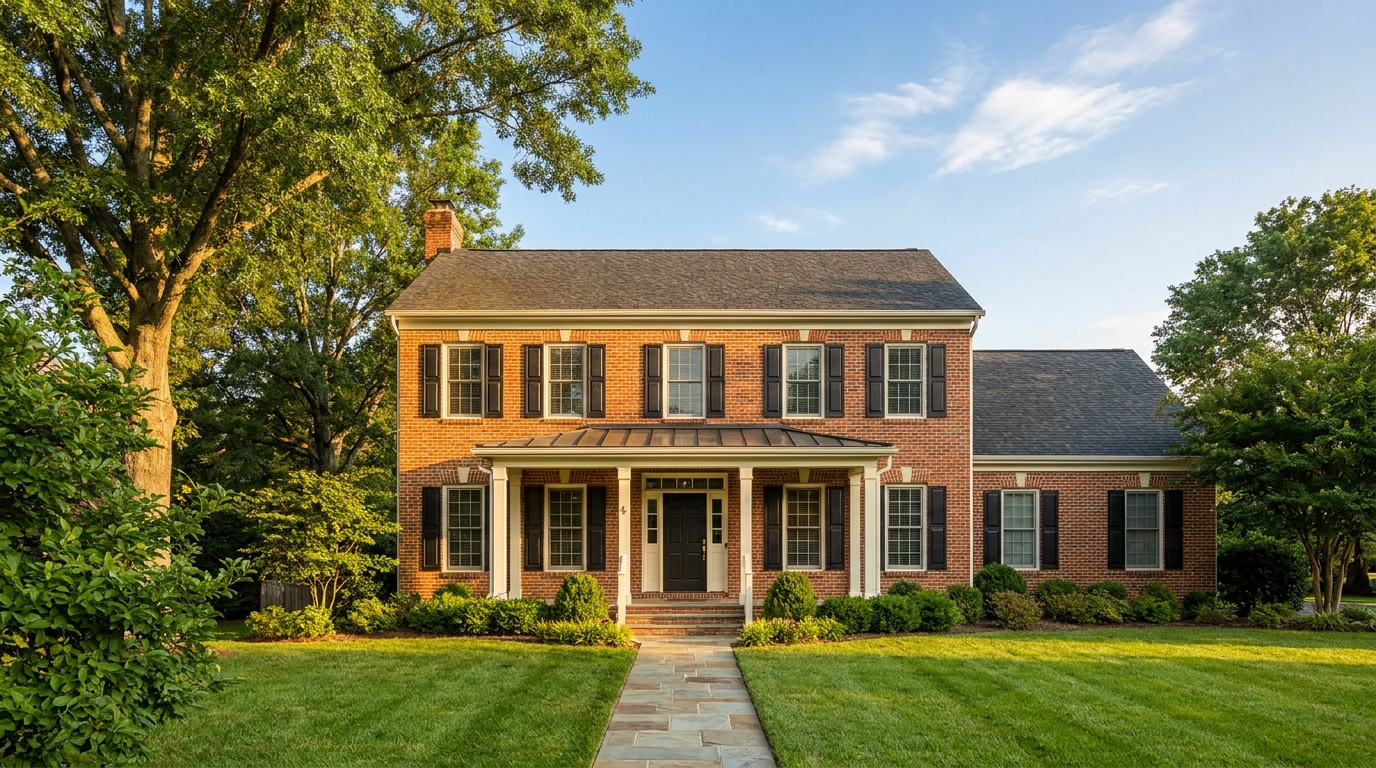
The Best Time to Sell Your Home in Northern Virginia: A Season-by-Season Guide

Ask ten NoVA homeowners when to list and you’ll hear the same answer: spring. It’s not wrong — but it’s incomplete. In a market shaped by federal hiring cycles, school calendars, and chronically tight inventory across Fairfax, Loudoun, and Arlington counties, the “right” time to sell depends as much on your situation as on the season. Here’s how each window really performs, and how to make the most of whichever one you choose.

Spring: The Classic Peak (March Through May)

Spring earns its reputation. Buyer demand in Northern Virginia builds from late February and peaks between late March and May, when families want to close before the new school year and relocating professionals start house-hunting ahead of summer job moves. Well-priced homes in commuter-friendly areas — Vienna, Ashburn, Arlington’s Metro corridors — routinely go under contract in the first one to two weeks, often with multiple offers.

The tradeoff: competition. Spring is also when the most listings hit the market, so your home is judged against fresh, well-staged inventory. If your home needs work, a rushed spring listing can underperform a well-prepared summer one.

Summer: Two Different Markets

Early summer (June to mid-July) is essentially an extension of spring — school’s out, weather cooperates, and relocation buyers with firm start dates are motivated and decisive. Late summer slows as vacations thin out showing traffic, but the buyers who remain tend to be serious, especially military and government families working against PCS orders and fall start dates.

If you’re listing in late summer, pricing precisely matters more than ever. Start with an honest look at your number — you can get a data-driven estimate through my free home value analysis before you commit to a strategy.

Fall: The Overlooked Window

September and October are the sleeper season in NoVA. Inventory drops faster than demand does, which means less competition for your listing. Buyers touring homes in October aren’t browsing — they want to be settled by the holidays. Homes show beautifully against fall foliage in neighborhoods like Vienna, McLean, and Leesburg, and the federal fiscal-year turnover in October brings a fresh wave of relocating professionals to the area.

Winter: Fewer Buyers, More Serious Ones

Listing between Thanksgiving and mid-February means fewer showings — but almost no casual ones. Winter buyers are typically relocating for work, adjusting after a life change, or racing a lease expiration. With inventory at its annual low, a move-in-ready home can command surprisingly strong terms. January in particular often surprises sellers: buyers who resolved to “buy this year” come out early, while most sellers are still waiting for spring.

What Matters More Than the Calendar

In fifteen-plus years of NoVA sales data, three factors consistently outweigh the listing month:

  • Condition: Updated kitchens and baths drive the strongest returns here. Through my partnership with EA Home Design, I can help you target pre-sale improvements that actually pay back — and skip the ones that don’t.
  • Pricing strategy: A home priced right for its micro-market sells in any month; an overpriced home sits in every month.
  • Preparation: Professional photos, staging, and pre-listing repairs matter more than a two-week timing difference ever will.

And if you’re selling and buying at the same time — as most NoVA move-up sellers are — the “best” season is the one that aligns both transactions. My seller services and buyer services are built to coordinate exactly that.

Frequently Asked Questions

What month do homes sell fastest in Northern Virginia?

Late March through May is typically the fastest window in Fairfax, Loudoun, and Arlington counties, with well-priced homes often going under contract within one to two weeks. April and May usually see the strongest combination of speed and sale price.

Is fall a bad time to sell a home in NoVA?

No — September and October often work in a seller’s favor because inventory falls faster than buyer demand. Fall buyers in Northern Virginia tend to be serious, and the October federal fiscal-year turnover brings new relocation buyers into the market.

Should I wait until spring to list my home?

Not necessarily. If your home is move-in ready, winter and early fall listings face far less competition, and January often brings motivated buyers while most sellers are still waiting. Condition and pricing affect your result more than the listing month.

How long does it take to sell a home in Northern Virginia?

In a typical season, a well-prepared, well-priced home in Fairfax, Loudoun, or Arlington goes under contract in roughly two to four weeks, followed by 30 to 45 days from contract to closing. Peak spring weeks can compress that first stage to just days.

Ready to Time Your Sale Right?

Whether you’re aiming for the spring rush or a quiet-market advantage this fall, the best first step is a conversation about your home, your timeline, and your numbers. Book a free consultation or call me directly at (571) 429-7477 — I’ll help you pick the window that puts the most money in your pocket with the least stress.

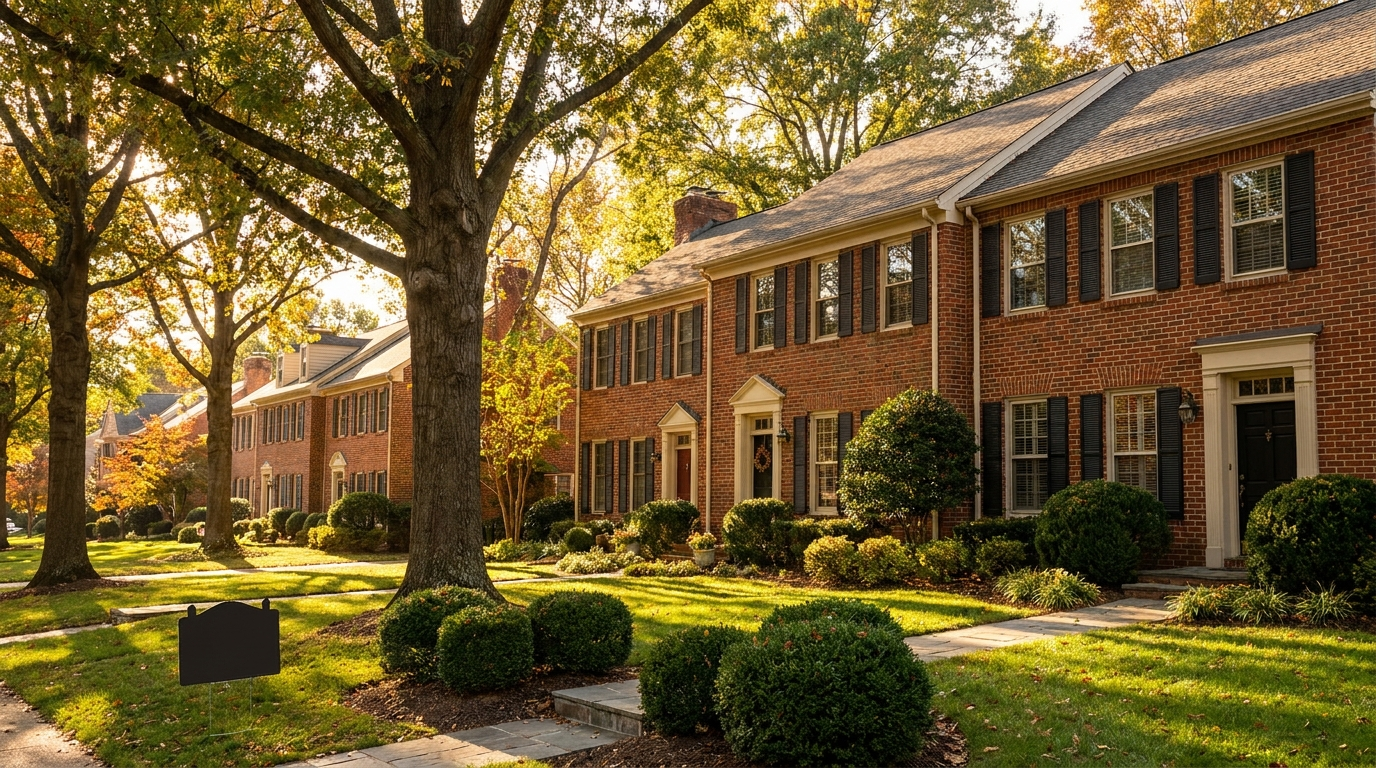
First-Time Homebuyer Programs in Northern Virginia: Grants, Loans, and How to Qualify

Buying your first home in Northern Virginia can feel like showing up to a race that started without you. Prices in Fairfax, Loudoun, and Arlington counties are among the highest in Virginia, and saving a 20% down payment on a median-priced home can take a decade. Here’s the good news: you almost certainly don’t need 20% down, and there are real programs — state, county, and lender-based — designed to get first-time buyers over the finish line sooner.

First, the Myth: You Don’t Need 20% Down

The single biggest misconception I hear from first-time buyers in NoVA is that 20% down is the price of admission. In reality, conventional loans are available with as little as 3% down for qualifying first-time buyers, FHA loans require 3.5%, and eligible veterans and active-duty service members — a big share of our market given the Pentagon, Fort Belvoir, and Quantico — can buy with 0% down using a VA loan. Putting less down means paying mortgage insurance in some cases, but it also means becoming an owner years earlier and building equity instead of paying rent. If you’re weighing what you can realistically afford, start with a conversation, not a calculator — my buyer services page explains how I walk first-time buyers through this step by step.

Virginia Housing: The State’s First-Time Buyer Toolbox

Virginia Housing (formerly VHDA) is the state agency most first-time buyers should look at first. Its programs work through approved local lenders and can be layered together:

  • First-time buyer mortgages — conventional and FHA-backed loans with competitive rates for buyers who haven’t owned a home in the last three years.
  • Down Payment Assistance Grant — a grant (not a loan) that covers a percentage of the purchase price toward your down payment and never has to be repaid.
  • Plus Second Mortgage — a companion second loan that can cover most or all of your down payment when paired with an eligible Virginia Housing first mortgage.
  • Homebuyer education — a free required course that genuinely helps you understand the process.

Income and purchase-price limits apply, but here’s what surprises people: the limits are set regionally, and the Washington-area limits are significantly higher than in the rest of Virginia — so plenty of dual-income NoVA households still qualify. Always confirm current limits with a Virginia Housing-approved lender, as they’re updated regularly.

County-Level Help in Fairfax, Loudoun, and Arlington

Each of our major counties runs its own affordable homeownership programs, and they’re often overlooked:

  • Fairfax County operates a First-Time Homebuyers Program that sells designated affordable townhomes and condos at below-market prices to income-qualified buyers through a lottery-style process.
  • Loudoun County offers down payment and closing cost assistance for qualifying moderate-income buyers, plus Affordable Dwelling Unit (ADU) purchase opportunities in communities like Ashburn and Brambleton. If you’re targeting that area, my Ashburn guide covers neighborhoods and price points.
  • Arlington County runs the Moderate Income Purchase Assistance Program (MIPAP), which provides a deferred-payment second loan toward down payment and closing costs for first-time buyers purchasing in Arlington.

These programs have waitlists, income caps, and residency or employment preferences, so the earlier you apply, the better positioned you’ll be.

How to Put It All Together

The buyers who succeed with these programs do three things early. First, they get program-specific pre-approval — not every lender participates in Virginia Housing or county programs, so choosing the right lender matters. Second, they set a realistic search area: assistance programs stretch further in Herndon, Sterling, or western Loudoun than in McLean or Clarendon. Third, they move quickly but carefully when the right home appears — assistance programs can add a week or two to closing timelines, and your offer needs to account for that. If you’re moving to the area from out of state, my relocation guide pairs well with this planning.

Frequently Asked Questions

Do I count as a first-time buyer if I owned a home years ago?

Usually, yes. Most programs, including Virginia Housing’s, define a first-time buyer as someone who hasn’t owned a primary residence in the past three years — so previous owners who have been renting can often qualify again.

How much down payment do I really need in Northern Virginia?

Many first-time buyers in Fairfax, Loudoun, and Arlington close with 3% to 5% down, and VA-eligible buyers can put down nothing. Layering a Virginia Housing grant or county assistance can reduce your out-of-pocket cash even further.

Are there income limits for these programs in Fairfax and Loudoun counties?

Yes, but they’re higher than most people expect because limits are set for the Washington region’s cost of living. Many households earning well into six figures still qualify — confirm current figures with a Virginia Housing-approved lender before ruling yourself out.

Do down payment assistance programs work with FHA and VA loans?

Often, yes. Virginia Housing grants can pair with its FHA-backed first mortgages, and several county programs work alongside FHA financing. Your lender will confirm which combinations are allowed for your specific loan.

Will using assistance make my offer weaker in a competitive market?

Not if it’s handled well. A clean pre-approval letter, realistic timelines, and an agent who communicates with the listing side can make an assisted offer just as compelling — I’ve closed many of them in multiple-offer situations.

Ready to Stop Renting?

The gap between renting and owning in Northern Virginia is rarely about income — it’s about knowing which doors to knock on. If you’d like a clear, no-pressure plan for using these programs, book a free consultation or call me at (571) 429-7477. And if you already own and are curious what your equity could do for your next move, check your home’s current value.

How to Start Investing in Rental Property in Northern Virginia

Northern Virginia is one of the most resilient rental markets in the country, anchored by federal jobs, defense contractors, a booming tech corridor, and the data center capital of the world in Loudoun County. That steady demand makes owning a rental here appealing — but high purchase prices mean the numbers have to work before you buy. Here is a practical roadmap for getting started as a first-time investor in Fairfax, Loudoun, or Arlington.

Why Northern Virginia Rentals Stay in Demand

Renters in our area tend to be well-qualified and plentiful: military families on rotation, contractors on multi-year assignments, young professionals near the Silver Line, and relocating families who want to rent for a year before buying. Vacancy tends to be short when a property is priced right and well maintained, especially near Metro stations, major employers, and top-rated school pyramids. If you are weighing whether this market fits your goals, my investing services page explains how I help clients evaluate opportunities from Arlington to Leesburg.

What Makes a Good First Rental Property Here

Most first-time investors in Northern Virginia do best with a condo or townhome rather than a large single-family home. The entry price is lower, maintenance is simpler, and tenant demand is strong in commuter-friendly communities like Herndon, Reston, and Ashburn. Pay close attention to condo and HOA fees — a fee that is a few hundred dollars higher per month can erase your cash flow entirely. Also verify the association allows rentals and check whether a rental cap is in place, since some NoVA condo buildings limit the percentage of units that can be leased.

Run the Numbers Before You Fall in Love

A rental that looks great on Zillow can still lose money every month. Before you write an offer, build a simple monthly budget that includes:

  • Mortgage principal and interest — investment loans typically carry higher rates and larger down payments than a primary residence
  • Property taxes and landlord insurance, which differ meaningfully between Fairfax, Loudoun, and Arlington counties
  • HOA or condo fees, plus any rental registration requirements
  • A vacancy allowance of roughly one month per year
  • Maintenance reserves — older Fairfax County townhomes especially need a cushion for HVAC, roofs, and water heaters
  • Property management, typically around 8–10% of rent if you do not want to self-manage

In a high-cost market like ours, many successful investors accept modest cash flow early on because long-term appreciation and rent growth in Northern Virginia have historically been strong. Just make sure you can comfortably carry the property through a vacancy or a surprise repair.

Consider Renting Out Your Current Home Instead

One of the most common paths to a first rental in NoVA is keeping your existing home when you move up. If you locked in a low mortgage rate a few years ago, that home may cash flow better than anything you could buy today. Start by checking what your home is worth with my free home value tool, then compare likely rent against your carrying costs. My rental services page covers how I help owners price, market, and lease their properties to qualified tenants.

Smart Updates That Raise Rent

You do not need a designer renovation to command top rent, but tired kitchens and baths will cost you both rent and tenant quality. Durable flooring, fresh paint, updated lighting, and a clean, modern kitchen consistently pay for themselves in this market. For larger projects, I often coordinate with my remodeling partner EA Home Design, which helps my clients plan updates that make sense for a rental budget rather than over-improving for the neighborhood.

Frequently Asked Questions

Is Northern Virginia a good place to buy a rental property in 2026?

Yes, for investors focused on stable demand and long-term appreciation. Federal employment, defense contracting, and the tech and data center growth in Fairfax and Loudoun counties keep the tenant pool deep, though high purchase prices mean careful analysis matters more here than in cheaper markets.

How much do I need for a down payment on an investment property in Virginia?

Conventional investment property loans generally require 15–25% down, with better rates at 25%. Buying a home as your primary residence first and converting it to a rental later is a common way to start with a smaller down payment.

Should I rent out my current home or sell it when I move?

It depends on your mortgage rate, expected rent, and equity goals. If you have a low locked-in rate and the likely rent covers your carrying costs, keeping it as a rental can be a strong wealth-building move — I can run both scenarios for you side by side.

Do I need a property manager for a rental in Fairfax or Loudoun County?

Not necessarily. Local owners with one nearby property often self-manage, but if you live far away or prefer a hands-off approach, expect to pay roughly 8–10% of monthly rent plus leasing fees for professional management.

Thinking about your first investment property, or wondering whether your current home could become one? Book a free consultation or call me at (571) 429-7477 — I will help you run the real numbers before you commit.